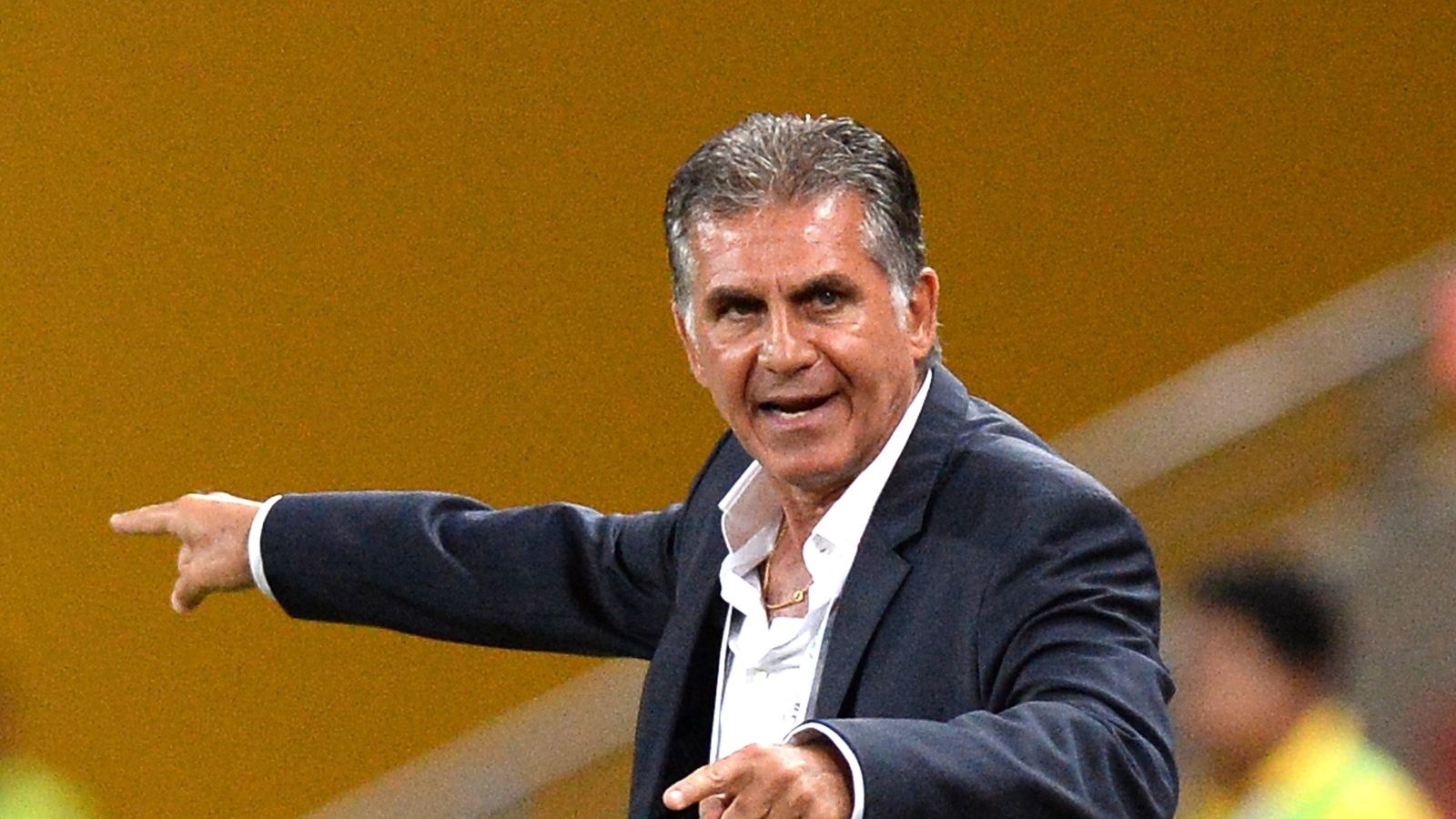

The Ghana Football Association has officially announced the appointment of Carlos Queiroz as the new head coach of the Black Stars, replacing Otto Addo.
With the FIFA World Cup drawing closer, the seasoned Portuguese tactician faces a daunting task to steady a team that has shown glimpses of quality but continues to struggle with consistency.
Below are six key areas Coach Queiroz must urgently address if Ghana is to compete strongly on the global stage:
First and foremost, the defence requires immediate attention. Ghana has conceded 10 goals in their last four matches, a worrying statistic heading into the Mundial.
The Black Stars allowed two goals against Germany, were heavily beaten 5–1 by Austria, and also conceded against both South Korea and Japan. These outcomes underline a defensive unit that lacks cohesion, discipline, and leadership.
The situation is worsened by the expected absence of Mohammed Salisu. Additionally, the right-back position has consistently fallen short, often being targeted by opponents. Known for his defensive discipline, Queiroz must urgently build a reliable centre-back partnership, resolve the right-back issue, and instill a well-organized defensive system. Without defensive solidity, Ghana’s chances of progressing remain very slim.
Another major concern within the current Black Stars setup is the absence of a clear playing identity. The team has appeared tactically uncertain—at times attempting a possession-based approach, and at other times sitting deep without proper structure.
For Queiroz to succeed, he must quickly define how Ghana intends to play. Should the team adopt a compact defensive approach, rely on counter-attacking football, or dominate possession?
A clearly defined identity will bring consistency, and with consistency comes results. The sooner this direction is established, the better it will be for team chemistry and overall performance.
Every successful side depends on its key players to deliver in crucial moments, and Ghana is no different. Players such as Thomas Partey, Mohammed Kudus (if fit), Antoine Semenyo, Fatawu Issahaku, Inaki Williams, Brandon Thomas-Asante and Jordan Ayew have all demonstrated their quality at club level but have not consistently replicated that form for the national team.
Queiroz must design a system that maximizes their strengths, clearly define their roles, and create the right environment for them to perform. If these players begin to click, the Black Stars will become a far more formidable side.
Goal scoring has also been a significant issue. The Black Stars have managed just two goals in their last four matches, which is a disappointing return for a team blessed with attacking talent.
The challenge is not only about finishing but also about creating enough chances.
In modern football, teams that generate more opportunities are more likely to score. Ghana must improve in areas such as creativity in the final third, the connection between midfield and attack, and the effective use of wide areas. Talents like Ernest Nuamah, alongside Kudus (if fit) and Issahaku, must step up in providing assists and breaking down defences. Ultimately, this is a tactical issue that the coach must resolve.
Looking back at previous World Cup cycles—2006, 2010, and 2014—Ghanaians could easily name 8–10 players who were guaranteed starters. That level of consistency helped build chemistry, understanding, and confidence within the team.
The current squad lacks that stability. Queiroz must quickly identify his most reliable 11 players, minimize unnecessary experimentation, and build strong partnerships across the pitch. With limited time and few friendly matches available, establishing a settled core will be essential for cohesion and improved performance.
Finally, attention must be given to the psychological state of the team. This is perhaps the most overlooked yet crucial aspect. Recent defeats, injuries, and uncertainty have clearly affected the confidence and belief within the squad. The team’s mentality appears fragile, particularly in challenging moments during games.
Queiroz must work to restore confidence, rebuild belief, and instill a winning mentality. Strengthening the team’s mental resilience will be key to turning performances around.
When belief, faith, and confidence replace doubt, the atmosphere within the camp will improve—and positive results are likely to follow.
The task ahead for Carlos Queiroz is undoubtedly challenging, but it is not beyond reach. With his vast experience, particularly at the international level, he possesses the capability to guide Ghana back on track. However, time is limited. If he can address the defensive issues, establish a clear identity, get the best out of his key players, improve attacking efficiency, settle on a consistent lineup, and rebuild confidence, Ghana can approach the World Cup with renewed optimism.
The journey begins now and there is very little room for error.
By Isaac Ansah Apagya
The writer is a presenter at Onua TV/FM.