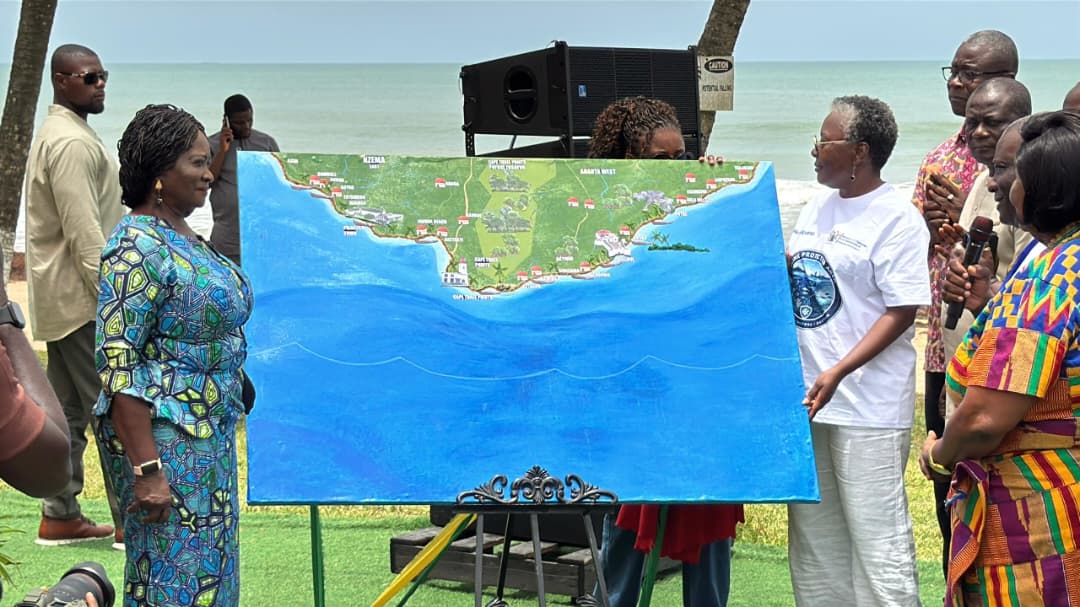

The Greater Cape Three Points area in the Western Region is now Ghana’s first Marine Protected Area (MPA), a landmark conservation tool for the nation’s fisheries and oceans.
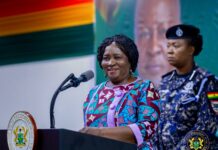
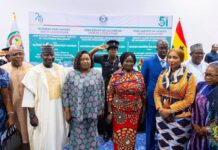
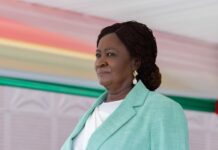
Declared on Tuesday, April 14, 2026, at Busua by Vice President Prof. Naana Jane Opoku Agyemang, the MPA is being hailed as a game changer for fishers and marine life.
For years, Ghana’s rich marine biodiversity has been under pressure. Overfishing, illegal, unregulated, and unreported (IUU) fishing, and climate change are depleting fish stocks. Measures such as closed seasons have been introduced, but their impact has been limited.
The Greater Cape Three Points MPA is a key component of Ghana’s implementation of the 30×30 target under the Kunming Montreal Global Biodiversity Framework.
Early efforts to establish a conservation area at Greater Cape Three Points date back to 1999, but the specific push for this MPA was led from 2010 onward by Hen Mpoano and partners, culminating in cabinet approval on October 7, 2025.
At the official declaration ceremony in Busua, in the Ahanta West Municipality, Vice President Opoku Agyemang described the move as a bold, science-based step toward safeguarding Ghana’s fisheries and marine ecosystem.
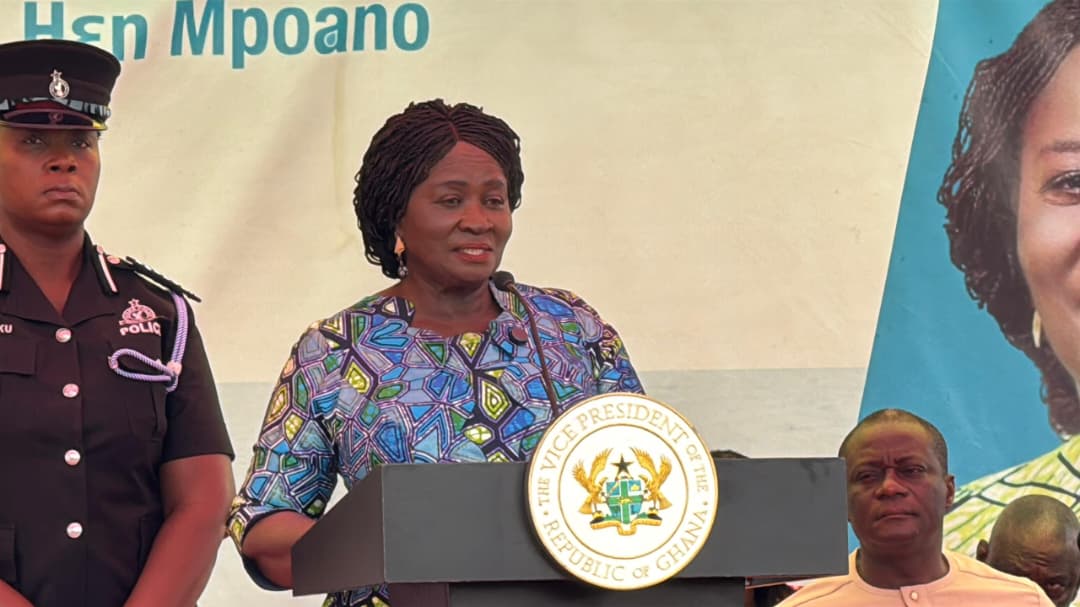
“It is also grounded firmly in our national policy architecture. This declaration reinforces Ghana’s position in international ocean conservation,” she said.
“The protection of this area goes far beyond conserving fish. It secures the ecological foundation on which sustainable fisheries and the communities that depend on them must be built,” she added.
Kofi Agbogah, Director of Hen Mpoano — a non-profit marine conservation organisation that championed the MPA initiative — called on beneficiary communities to support the new protected area.
“Declaring the MPA is one thing; making it work is another. It requires partnership for long term success, including support for ecological monitoring and data collection. We have provided a dedicated boat for monitoring the MPA,” he said.
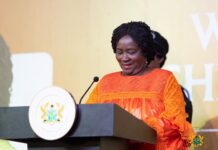
Meanwhile, Minister for Fisheries and Aquaculture Emelia Arthur said the impact of the MPA will be both exceptional and inclusive, helping to realise Ghana’s blue economy vision.
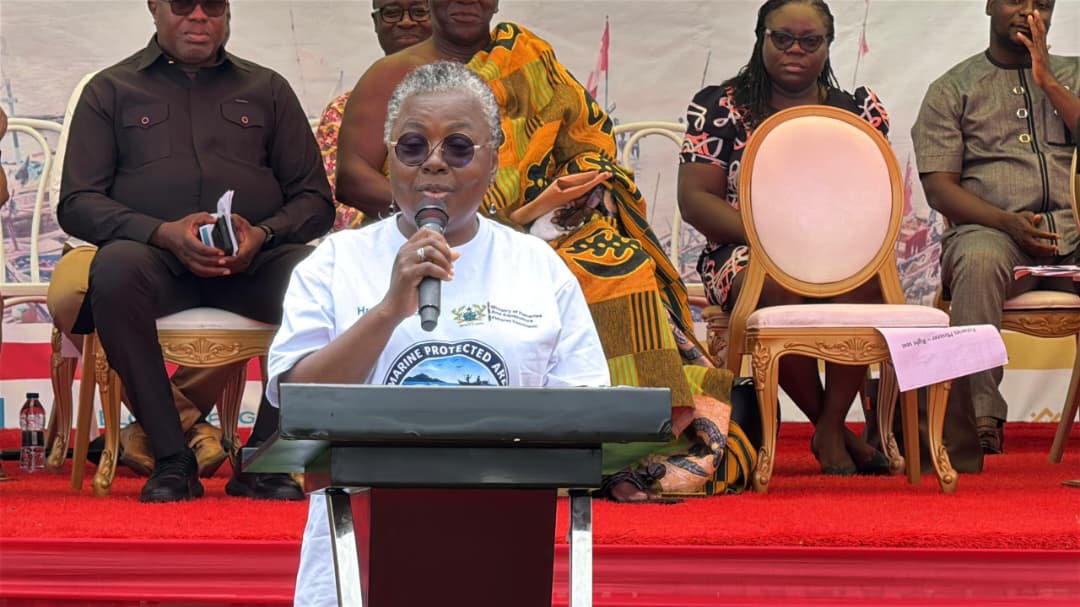
“This marine protected area is also a cornerstone of Ghana’s blue economy vision. Ghana’s blue economy encompasses the tourism, environment, lands and natural resources, energy, and fisheries sectors,” she said.
“We are working together to ensure that our commitment to sustainably harness our ocean resources for economic growth, job creation, and environmental resilience comes to fruition. It signals a new direction where conservation and prosperity are not in conflict but in partnership,” she elaborated.
The Greater Cape Three Points MPA, covering approximately 700 square kilometres, affects 21 coastal communities across the Ahanta West and Nzema East municipalities in the Western Region.
Post declaration, Ghana is expected to be more intentional about implementing and sustaining this first MPA, with around 20 additional MPA sites under consideration nationwide.
Within the West African sub region, Côte d’Ivoire, Nigeria, Senegal, Liberia, Guinea, Guinea Bissau, Cabo Verde, and Sierra Leone are also advancing commitments toward the 30×30 agenda.
By Abraham Mensah