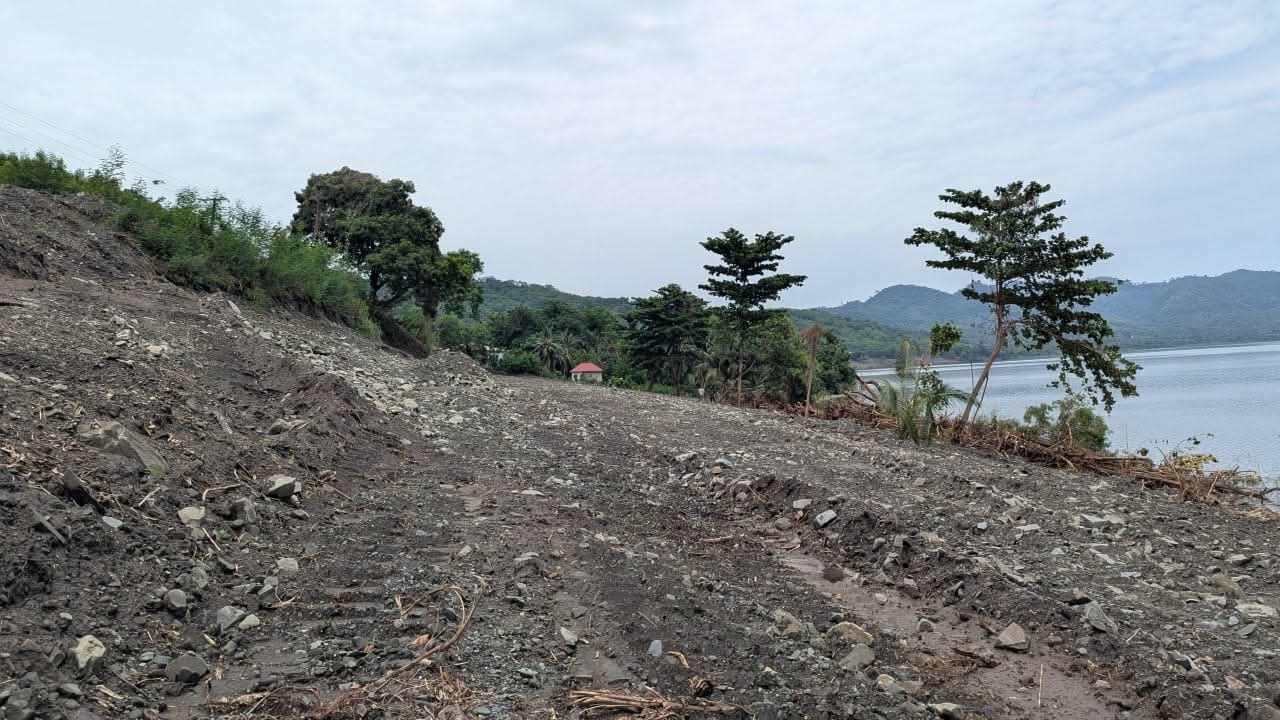

Environmental concerns over the reported destruction within critical sections of Lake Bosomtwe have taken a new turn, following swift intervention by the Ashanti Regional Minister, Dr Frank Amoakohene.
The Minister in a Facebook post on April 15, disclosed that he has engaged officials from the Environmental Protection Authority (EPA) and the Water Resources Commission over what he described as “disturbing reports” of destructive clearing along the lake’s banks.
According to him, all clearing activities have been ordered to cease with immediate effect, while the EPA has been tasked to investigate the situation and lead restoration efforts in affected areas.
This intervention follows an earlier report by 3news.com, which highlighted concerns over large-scale land clearing within the lake’s protected core zone.
Communities including Abrodwum, Adwafo, and Abaase were identified by an environmental group, A Rocha Ghana, as hotspots of concern, where ongoing activities are reportedly degrading sensitive ecological areas.
The perpetrators of the destruction remain unknown, raising serious questions about enforcement and environmental governance.
Lake Bosomtwe, Ghana’s only natural lake, was formed over a million years ago by a meteorite impact and remains one of the few of its kind globally. Its recognition as a UNESCO Man and Biosphere Reserve highlights its ecological importance.
The lake supports biodiversity and sustains the livelihoods of more than 70,000 people across nearly 30 surrounding communities, who depend on it for fishing, farming, and tourism.
Environmental experts have warned that continued destruction within the lake’s core zone could lead to irreversible damage, including declining fish stocks, shoreline erosion, and increased vulnerability to illegal mining activities.
A Rocha Ghana has called for strict enforcement of environmental regulations, a full-scale investigation to identify those responsible, and urgent protective measures.
With government now stepping in, residents and stakeholders say the focus must shift to accountability and long-term protection to safeguard one of Ghana’s most treasured natural and cultural assets.
By Ibrahim Abubakar