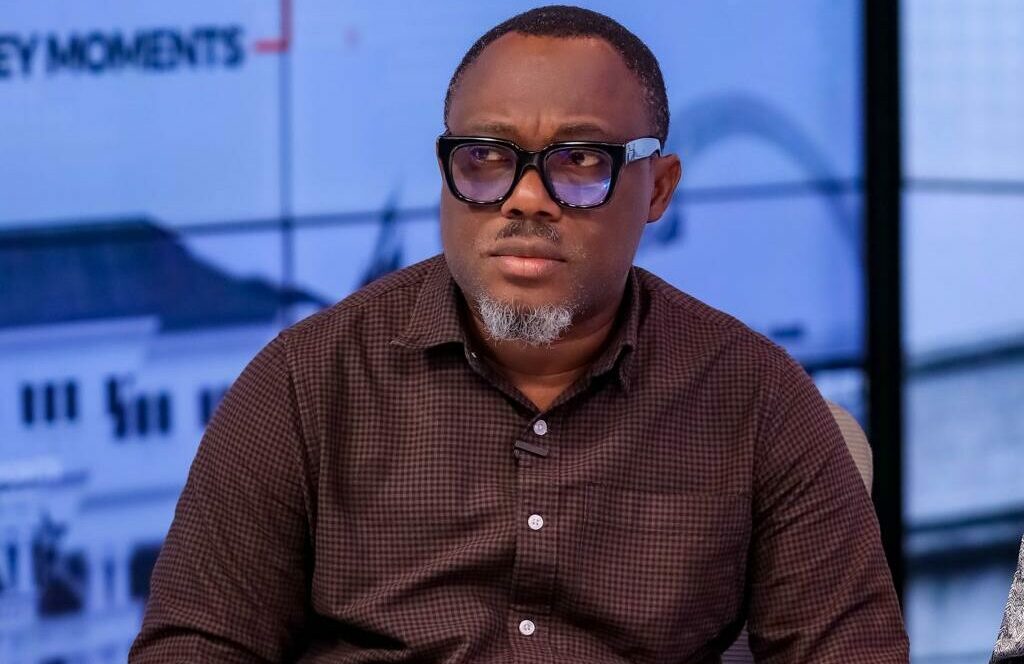

Chief Executive Officer of the Ghana Shippers Authority, Ransford Gyampo, has raised concerns about what he describes as legal contradictions in Ghana’s anti-corruption framework, particularly regarding the powers of the Office of the Special Prosecutor.
Speaking on the KeyPoints with Alfred Ocansey on April 18, Prof. Gyampo questioned the structural relationship between the Special Prosecutor and the Attorney-General, arguing that the current arrangement creates confusion.
According to him, the establishment of the Office of the Special Prosecutor was seen as a response to public frustration over corruption, but its legal foundation may have inherent challenges.
“Right from the word go, some of us had issues with it because its functions appear to conflict with Article 88 of the Constitution, which vests prosecutorial powers in the Attorney-General,” he said.
Prof. Gyampo explained that although the Special Prosecutor is expected to operate independently, its prosecutorial authority is still derived from the Attorney-General, raising questions about how true independence can be achieved.
“How do you draw your prosecutorial powers from the Attorney-General and still be independent of the Attorney-General?” he asked.
He noted that this contradiction was initially overlooked due to public excitement around the creation of the office and confidence in its leadership.
“Ghanaians were tired of corruption, and the appointment of a no-nonsense person in Martin Amidu made many people overlook the potential legal conflicts,” he added.
The academic and policy analyst further warned that failure to address these inconsistencies could undermine the fight against corruption, especially when cases are challenged in court.
“If we don’t confront these legal contradictions, someone can go to court, obtain a ruling, and disrupt the entire process. Then we all become disappointed,” he stated.
Prof. Gyampo stressed that the situation requires a careful and honest national conversation, rather than emotional or politically driven reactions.
“We must be open and dispassionate about this. We cannot pretend the contradictions don’t exist just because we want to fight corruption,” he said.
He outlined possible options available to the Special Prosecutor, including seeking authorisation from the Attorney-General or applying for a judicial review in court.
However, he insisted that these are temporary fixes and do not resolve the fundamental issue.
“You cannot allow this kind of contradiction to exist without addressing it at the constitutional level,” he argued.
Prof. Gyampo is therefore calling for reforms, including potential constitutional amendments, to clearly define prosecutorial authority and eliminate overlaps.
“If we have not amended the Constitution to properly define these powers, then we cannot ignore the Attorney-General’s role,” he emphasised.
He concluded by urging stakeholders to strike a balance between fighting corruption and ensuring legal consistency.
“We all want corruption to be confronted head-on, but we must also not blind ourselves to the legal realities,” he said.
By Christabel Success Treve