
“If you are the kind of person who likes eating heavy foods, you are not physically active, you are sitting in one place and yet when they give you your Fufu or Banku, you say it’s too small, you want a big bowl of fufu and you want to eat it every day. Sometimes you eat it at night before going to sleep. Please by seven o’clock eat your dinner and don’t eat again.”
Those are the words of President John Mahama, who recently urged Ghanaians to refrain from late-night eating during the launch of the Free Primary Healthcare initiative.
This has sparked renewed conversation around diet and healthy living.
While some people have welcomed it, others have opposed it.
“It might be a good call to others but for me, it’s not because anytime I’m hungry I eat. Actually, I have ulcers so anytime I find myself hungry, I forget about the time and then I want to eat,” says Harriet.
Issah on the other hand argues that due to the nature of his work, he doesn’t get time to eat early leaving him without any option but late-night heavy meals.
But beyond the advice, how important is early eating to the overall health of individuals?
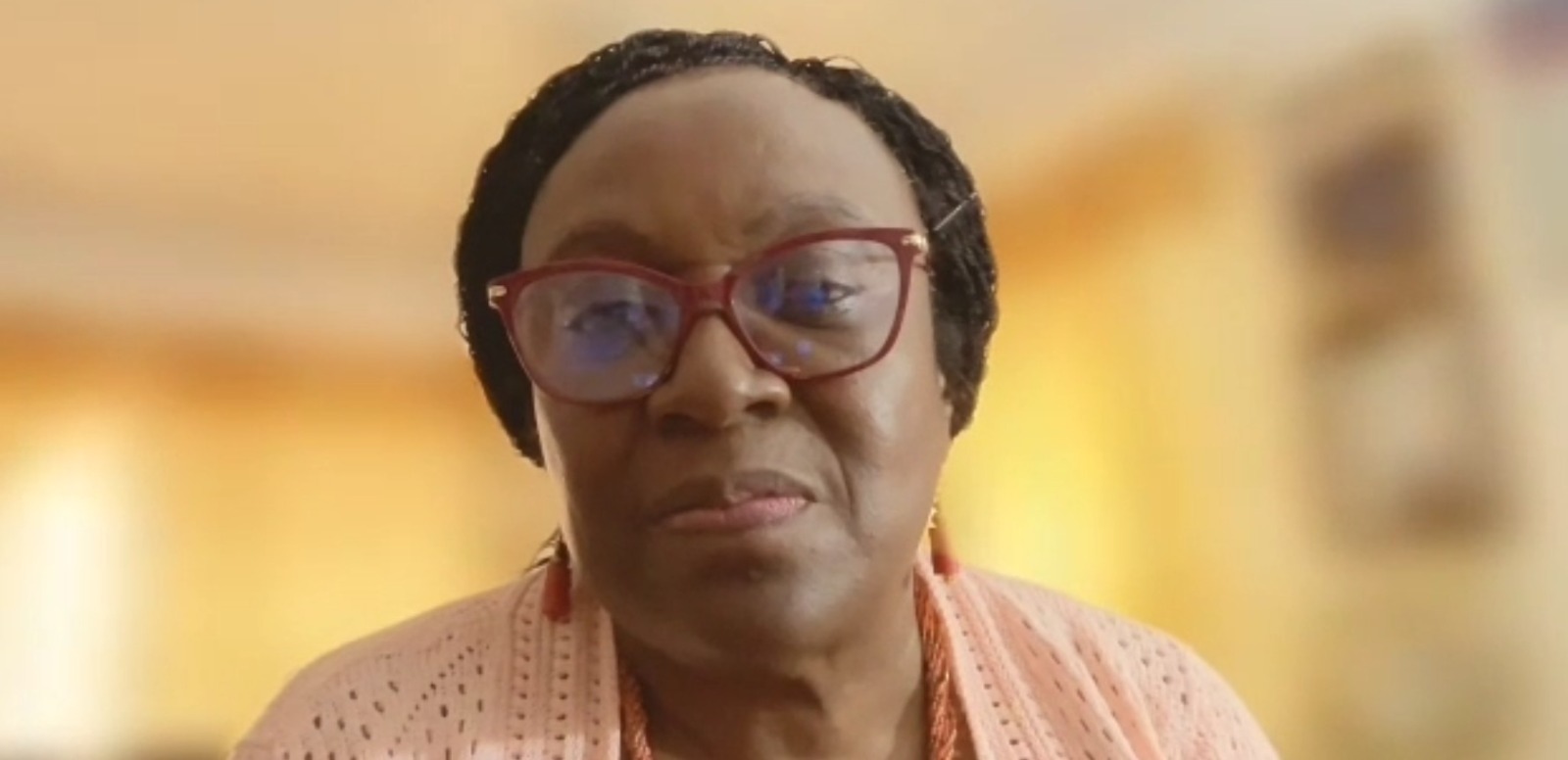
Prof. Matilda Steiner-Asiedu, from the University of Ghana Department of Food Sciences and Nutrition says there’s real value in eating earlier.
“If you eat early in the day, you are very active. So, as you are active, you are burning the energy from the food. You are moving and so forth. And if you should eat early in the morning, you are also energizing the brain. The brain also needs some energy to work. So, it is advantageous to eat most of your food early during the day rather than taking it in the night.”
She explains that there is a serious effect that comes along with late-night eating.
“If you eat late at night, yes, you are at a higher risk of becoming overweight and obese. Around the stomach area, that is what we call visceral fat. And that is a high risk for all the non-communicable diseases that we see, such as hypertension, cancer, strokes, and so forth. So, one can avoid such things,” she explained.
While lifestyles may vary, some alternatives are highly recommended instead of heavy food late at night.
“Sometimes it happens almost every once in a while, you’re hungry, but it would be good to rather go for some porridges. You can take oats, you can take some Tom Brown, or any cereal, that is best. And then you can also have some low glycemic index, that is fruits that do not load the blood with sugar like apple, I mean, banana too, not more than two.
I would say not more than two, because if you take more, you’re also going to load the blood with potassium, which is also not good. Guava is also good,” Prof. Asiedu added.
For many Ghanaians, it may not be easy, but it is a step worth considering.
By Samuel Yeboah Adams