
The Ghana Armed Forces (GAF) has targeted an ambitious housing and infrastructure initiative aimed at addressing the longstanding accommodation challenges faced by military personnel and their families.
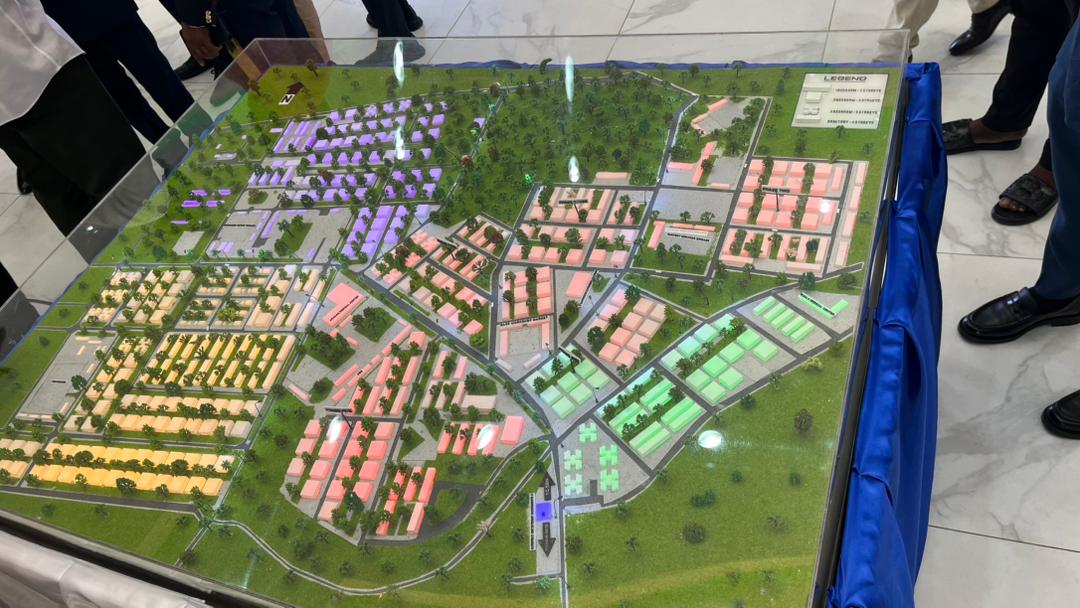
Dubbed the “Burma Camp Redevelopment Project”, the initiative seeks to transform the iconic Burma Camp into a modern, well-planned residential enclave featuring multi-level housing units, upgraded utility systems, and improved social infrastructure.
The project forms part of a broader barracks regeneration agenda designed to replace aging and deteriorating structures with facilities that meet contemporary standards of safety, comfort, and dignity.
The first phase of the redevelopment, expected to be completed within 13 months, will involve the construction of approximately 250 housing units at an estimated cost of GH¢190 million.
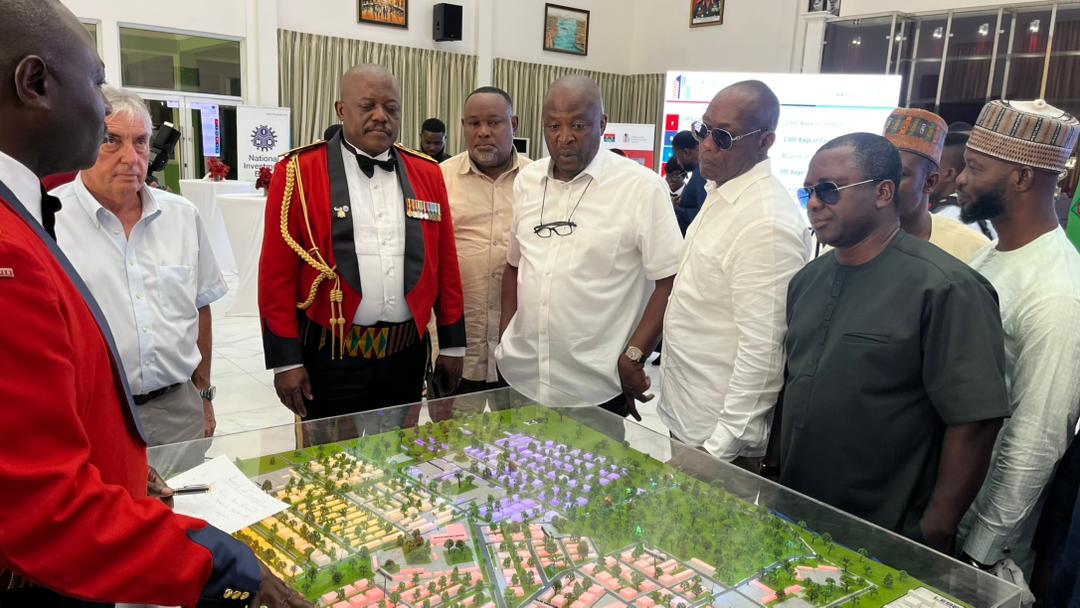
To mobilise resources, the GAF on April 25, 2026, hosted a high-level fundraising dinner in Accra. The event brought together military leadership, government officials, and key figures from the private sector, including Ibrahim Mahama, Chief Executive Officer of Engineers and Planners Limited.
Chief of Defence Staff, Lt. Gen. William Agyepong, underscored the urgency of the project, noting that many military personnel continue to live in outdated and inadequate housing.
“Many of the structures have become weak, outdated and unable to meet modern standards of safety, comfort and dignity,” he stated.
Reflecting on his early years at the El-Wak Barracks, he described the facilities at the time as comparable to “a four-star hotel,” but lamented their current state after more than five decades of use.
He added that the housing gap across the Army, Navy, and Air Force remains significant, placing increasing pressure on personnel and their families.
Lt. Gen. Agyepong emphasised that the redevelopment initiative goes beyond infrastructure development and represents a deliberate effort to improve the welfare of service members.
“The vision is clear to build a modern, well-planned, multi-level residential community designed to provide dignified accommodation, improved living standards and long-term sustainability for our personnel,” he said.
He called on corporate Ghana and development partners to support the project, assuring stakeholders of transparency and accountability.
“This is not a ceremonial appeal. It is a structured investment opportunity for the long-term stability of a critical national institution,” he added.
The Minister of Works, Housing and Water Resources, Kenneth Gilbert Adjei, speaking on behalf of the acting Minister of Defence, Dr. Cassiel Ato Baah Forson, announced that government would fund the construction of 50 housing units under the project.
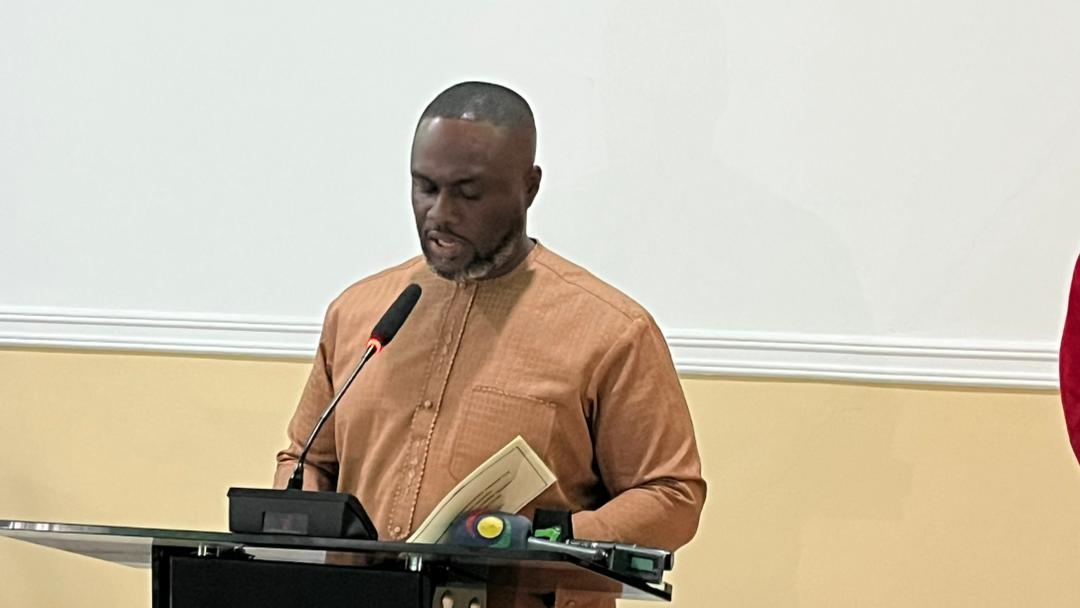
He further revealed that government has already initiated a broader five-year plan to construct 2,000 housing units for the GAF nationwide.
According to him, the growing accommodation deficit is largely due to the expansion of the Armed Forces in response to evolving security demands, rather than neglect.
“This initiative does not replace the government’s responsibility it strengthens it,” he noted, highlighting the importance of public-private partnerships in delivering large-scale infrastructure.
Renowned businessman and Chancellor of the University of Cape Coast, Sam Jonah, described the project as both timely and necessary.
He revealed that the housing deficit across GAF garrisons currently stands at approximately 14,000 units.
“That is 14,000 families14,000 households where our soldiers are living below the dignity they have earned,” he said.
He urged the private sector to view support for the project not as charity, but as a strategic investment in national stability and economic growth.
“Supporting it is not an act of charity; it is an act of investment,” he stressed.
Sir Sam Jonah also announced that his company, Mobus Property Development, would provide both financial
“We are not just writing a cheque we are rolling up our sleeves,” he said.
The Burma Camp Redevelopment Project represents a critical step toward improving the welfare of Ghana’s military personnel while strengthening national security infrastructure.
If successfully executed, the initiative could significantly reduce the housing deficit within the Armed Forces and set a new standard for military accommodation in Ghana demonstrating how collaboration between government, the military, and private sector actors can deliver sustainable development outcomes.
Defence Ministry denies allocating military lands to Ibrahim Mahama
By Joseph Amstrong Gold-Alorgbey