
Ghana is set to take a major step toward institutionalising long-term development planning, as the National Development Planning Commission (NDPC) prepares to present a Consolidated National Development Framework to Parliament by September 2026.
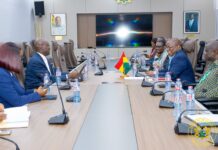
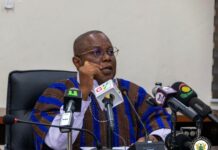
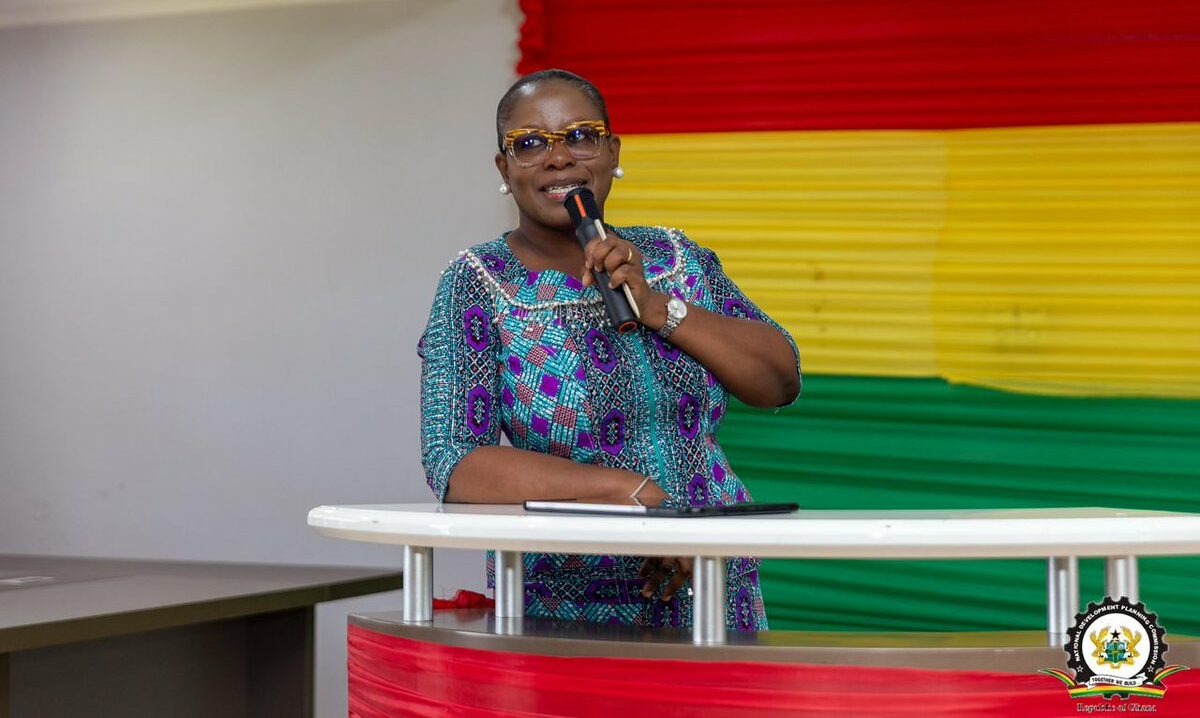
The announcement was made by NDPC Director-General, Dr. Audrey Smock Amoah, during a media briefing where she outlined the outcomes of extensive stakeholder consultations conducted across all 16 regions of the country.
According to Dr Amoah, the proposed framework once approved will harmonise four major long-term policy blueprints into a single, coherent national strategy. These include the 40-Year National Development Plan, the Ghana Beyond Aid Charter, Ghana@100, and Vision 2057.
The move to consolidate these frameworks comes after years of fragmented and inconsistent development planning. NDPC Chairman, Dr Nii Moi Thompson, has repeatedly highlighted the country’s struggle to sustain long-term policy direction, noting that Ghana has gone nearly two decades without continuity in national development planning. Previous frameworks, he observed, often suffered from weak implementation or lacked bipartisan political backing.
The new consolidated framework aims to address these gaps by creating a legally binding structure that transcends changes in government, ensuring policy continuity and long-term national focus.
Dr Amoah revealed that consultations across the regions brought to light several recurring concerns among citizens and stakeholders. These include:Persistent infrastructure deficits, Duplication and poor coordination of policies, Unequal distribution of national resources.
In addition, critical development challenges identified nationwide include weak agricultural value chains, rising youth unemployment, and increasing vulnerability to climate change.
These issues will be addressed under five core pillars of the proposed framework: Economic development, Social development, Governance, Environmental and spatial planning, International relations, Strengthening Implementation Mechanisms.
Dr Amoah emphasised that effective implementation will depend heavily on stronger collaboration between local government institutions and traditional authorities. She also stressed the need for robust monitoring and evaluation systems to ensure accountability and measurable results.
To support this, the NDPC is revising its operational guidelines to make planning units at regional and district levels more practical, efficient, and results-oriented.
Beyond structural reforms, the Commission it is working with civic education institutions to promote patriotism and a culture of national development among young people. The NDPC is also calling on the media to play a more active role in national development by exposing inefficiencies, promoting transparency, and highlighting successful initiatives.
District-level development plans will remain a key component of the national strategy. Under the NDPC’s constitutional mandate, these local plans will feed into the broader framework but will only be approved if they effectively address identified development gaps and align with national priorities.
If successfully implemented, the Consolidated National Development Framework could mark a turning point in Ghana’s development trajectory offering a unified, legally backed roadmap designed to ensure consistency, inclusivity, and sustainable progress across successive governments.
Ghana’s development problem is not lack of plans, it is implementation – NDPC Chairman