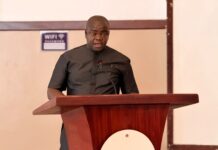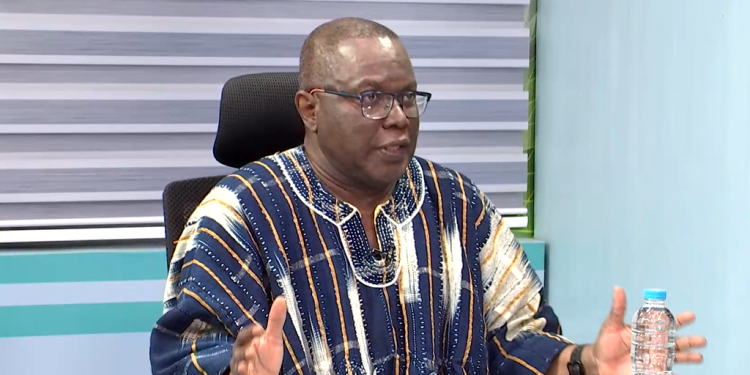

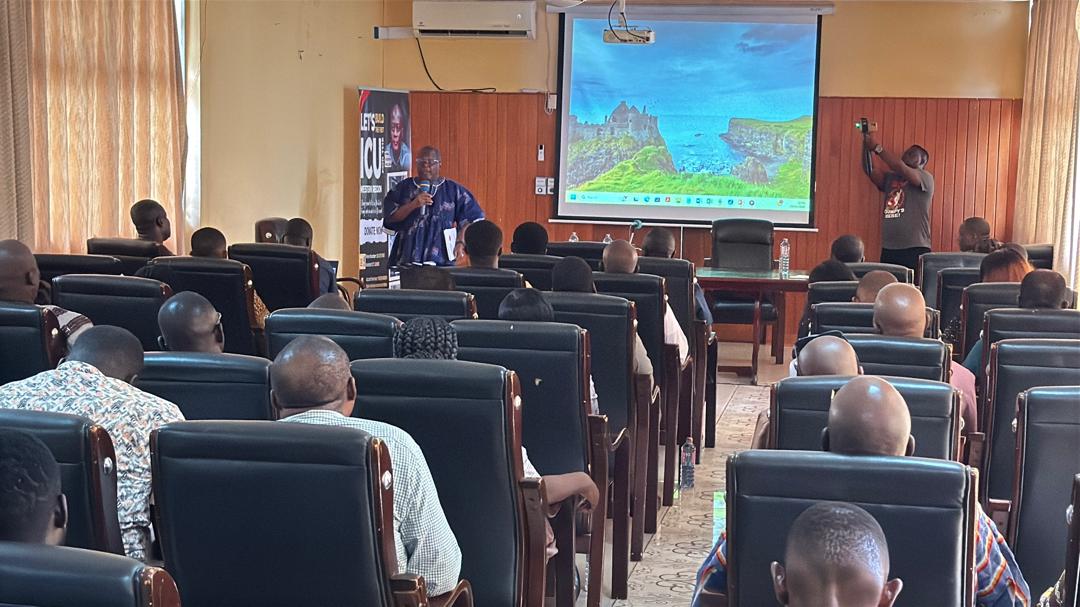
The National Development Planning Commission (NDPC) has reiterated its commitment to crafting a new, inclusive long-term national development framework, as it engages stakeholders in the Western Region through consultations.
The high-level team, tasked with driving the process, met with policymakers, institutional leaders, and development actors to gather strategic input for strengthening implementation and aligning national priorities with local realities.
This engagement is part of a broader national consultative effort to ensure Ghana’s next development phase is locally grounded and nationally coherent.

Addressing participants, NDPC Chairman Dr. Nii Moi Thompson emphasized that Ghana’s development challenge now lies not in the absence of plans, but in enforcement, efficiency, and accountability.
“We have produced several well-intentioned development frameworks over the years,” he noted.
“The critical issue is not drafting documents; it is ensuring disciplined implementation and institutional commitment.”
He urged policymakers to look beyond partisan interests and focus on long-term national progress, adding that “development challenges do not wear party colours.”
He explained that structural transformation requires a deliberate expansion of industry and services, noting that while agriculture remains important, its share of GDP naturally declines as economies mature.
“When agriculture’s share begins to rise again, it tells us industry is not growing fast enough and that has implications for unemployment,” he cautioned.

He further emphasised that beyond drafting plans, Ghana must confront institutional weaknesses, political interference and inefficiencies that undermine implementation. Citing gaps in revenue mobilisation, enforcement of by-laws and resource management, he observed, “The law exists.
The revenue potential exists. The real challenge is discipline and institutional commitment.” He warned that selective enforcement of regulations weakens governance and erodes public trust. “Development does not wear party colours. If rules apply only to some and not to others, institutions lose credibility.”
The Director-General of the NDPC, Dr. Audrey Smock Amoah, also emphasised the critical role of disciplined planning and monitoring in driving sustainable national development during a consultative engagement with stakeholders in the Western Region.
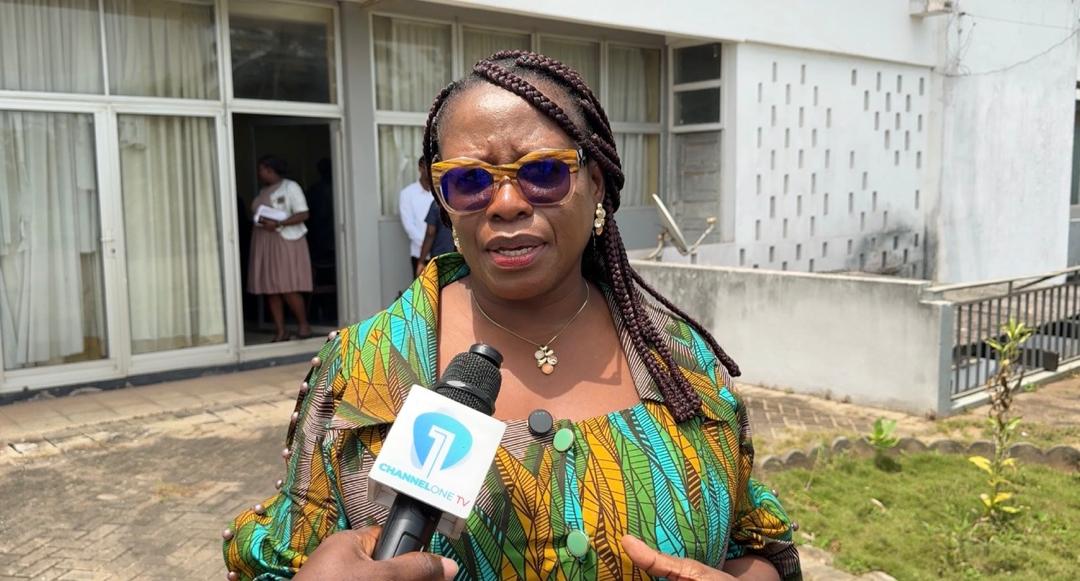
Touching on the Commission’s Medium Term Development Policy framework for 2026 to 2029, the Director-General highlighted that the framework guides development across five key dimensions: economic growth, social development, infrastructure and spatial planning, governance and institutional strengthening, and international relations.
“The policy framework is more than a guideline; it is a tool for accountability and measurable results,” she said, noting that district plans feed into regional integrated plans, which in turn form the foundation of the national development framework.
Dr. Smock Amoah also stressed the importance of implementation, monitoring, and evaluation, urging Metropolitan, Municipal, and District Chief Executives (MMDCEs) to ensure medium-term plans reflect community priorities and are regularly reviewed.
Highlighting progress, she revealed that eight out of 16 Regional Coordinating Councils (RCCs), including the Western Regional Coordinating Council, had their plans certified, while 102 out of 261 districts nationwide had met the required standards.
Certificates were formally issued to districts including Amenfi Central, and wassa East.
“Certificates signify more than compliance; they are a mark of accountability, discipline, and readiness to implement plans for sustainable growth,” she said, urging all districts to maintain a culture of proactive development and contribute meaningfully to national progress.
The Western Regional Minister, Joseph Nelson, emphasised the importance of sound land administration and human capital in driving regional development during the consultative engagement with the National Development Planning Commission (NDPC).
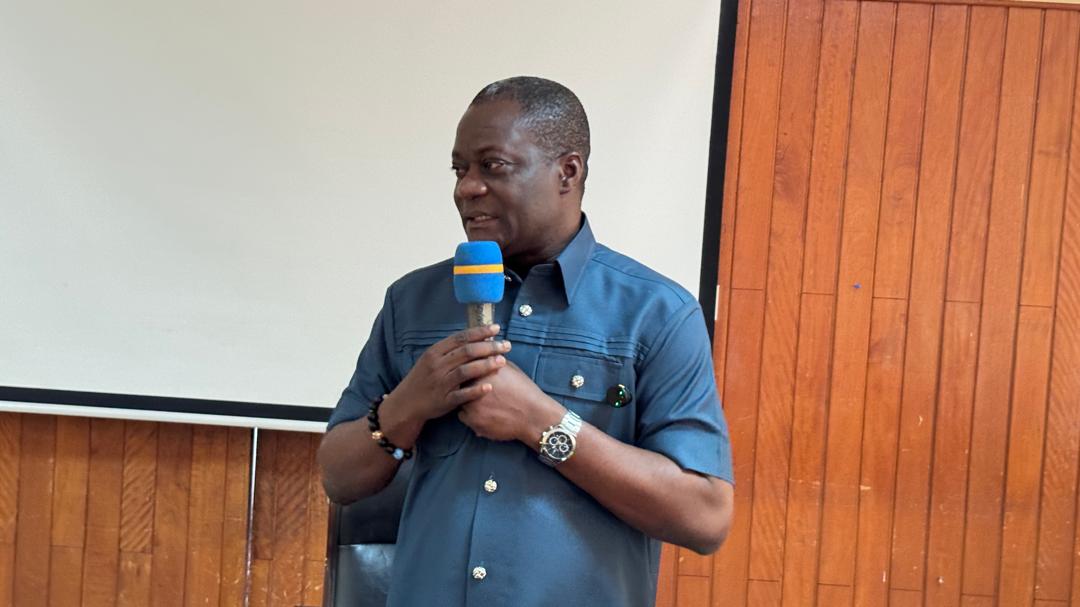
He noted that “actual zoning supported by efficient land administration systems and effective dispute resolution mechanisms can significantly improve investor confidence and reduce developmental bottlenecks.”
Highlighting the critical role of skilled professionals, the Minister added that “infrastructure and industry require skilled people.
We must define strategies to attract and retain critical professionals, particularly in health, engineering, planning, and technical fields, to deliver the required transformation and sustain long-term regional growth.”
Mr. Nelson also underscored the need for planning that transcends political cycles, stressing that “long-term planning is about generational impact.
The priorities embedded in the consolidated national development plan will shape how our children live, work, and compete in the decades ahead.”
He affirmed the region’s commitment to constructive participation, saying, “we stand ready to contribute, sharing both our opportunities and our constraints with honesty and clarity.
When national vision is grounded in regional realities, planning becomes practical, and when regions see their aspirations reflected in the national blueprint, implementation becomes ownership.”
He concluded by assuring the NDPC of the Western Region’s full cooperation and partnership in shaping a strategic, sustainable, and inclusive development path.
By Ebenezer Atiemo