
Less than two months after the declaration of Ghana’s newest Marine Protected Area (MPA), environmental advocates are raising concerns that illegal mining activities upstream are already threatening the sanctuary’s survival.
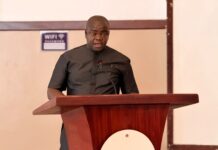
The warning was issued by representatives of Hen Mpoano during a visit to the Greater Cape Three Points Marine Protected Area by the Norwegian Ambassador to Ghana, John Mikal Kvistad.
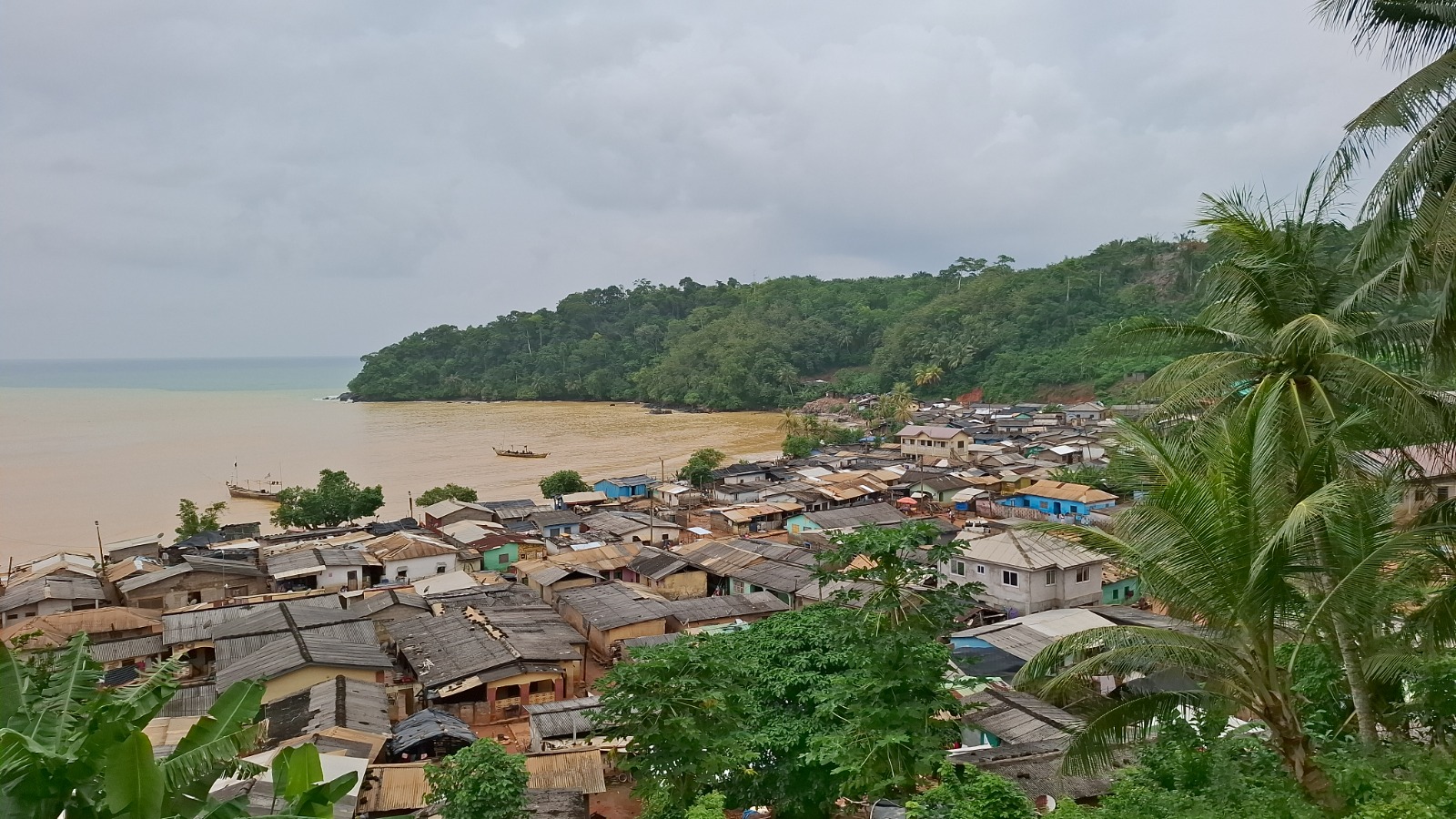
Declared in April 2026, the Greater Cape Three Points Marine Protected Area was established to restore declining fish stocks, conserve marine biodiversity, and strengthen coastal livelihoods.
However, conservationists say pollution from illegal mining activities inland is flowing through rivers and estuaries into coastal ecosystems, depositing toxic sediments that threaten fisheries, mangroves, and aquatic habitats.
According to Justice Camillus Mensah of Hen Mpoano, estuaries in communities such as Butre and Nyan are already showing signs of environmental stress linked to upstream mining operations. The organization fears that continued pollution could undermine years of conservation efforts aimed at protecting one of Ghana’s most ecologically significant marine zones.
Beyond mining-related pollution, the MPA is also facing other challenges, including poor road infrastructure, excessive seaweed accumulation along sections of the coastline, and unresolved land ownership disputes.
Despite these obstacles, Hen Mpoano says it remains committed to working with local communities to ensure the long-term success of the protected area.
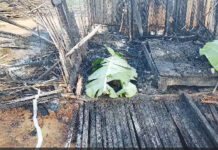
Residents of Cape Three Points have also expressed concern about the growing environmental pressures on the area. “Even when we try to clean the beach, more waste keeps washing back in, and that is very worrying for us.
It is a major challenge, especially because we don’t have the tools needed to do the work properly, which is discouraging” they said.
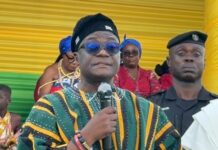
Speaking during the tour, Ambassador John Mikal Kvistad reaffirmed Norway’s commitment to supporting Ghana’s blue economy initiatives and sustainable coastal management efforts.
He underscored the importance of preserving marine ecosystems as a foundation for economic growth, food security, and climate resilience.
Environmental advocates warn that unless illegal mining activities upstream are effectively addressed, Ghana’s newest marine sanctuary could face significant setbacks before it has the opportunity to deliver its intended ecological and economic benefits.
The growing concerns highlight the urgent need for coordinated action among government agencies, local authorities, and communities to protect the country’s coastal and marine resources from the far-reaching impacts of illegal mining.
Norwegian Ambassador to Ghana, H.E. John Mikal Kvistad and his delegates are on a two-day field visit to the Western and Central Regions from June 9–10, 2026, hosted by Hen Mpoano, an NGO focused on sustainable fisheries and coastal development.
The visit forms part of Norway’s continued support for ocean governance, climate resilience, food security, and the blue economy in Ghana, and includes review of three ongoing coastal initiatives implemented by Hen Mpoano and its partners.