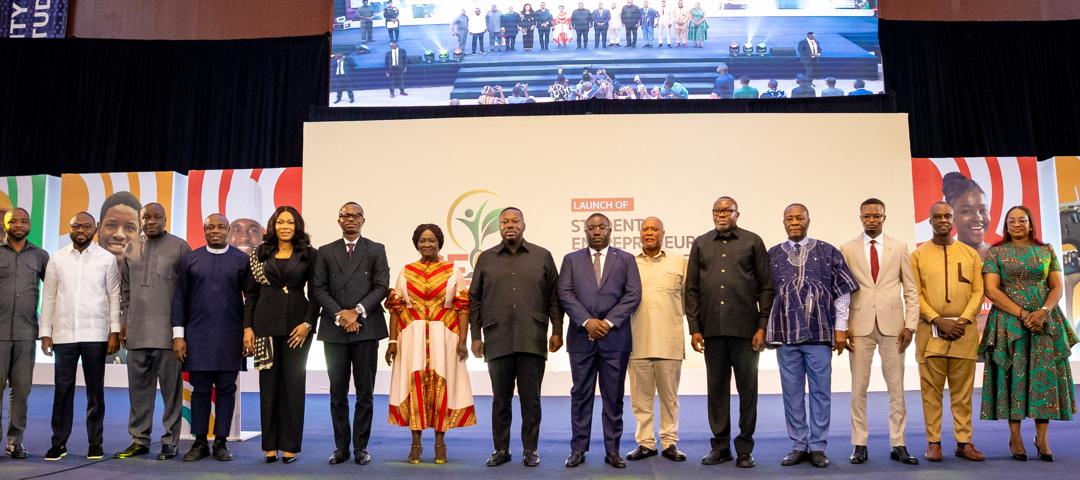

The Government of Ghana has launched a new initiative aimed at empowering students to build sustainable businesses, as part of broader efforts to tackle youth unemployment and drive economic growth.
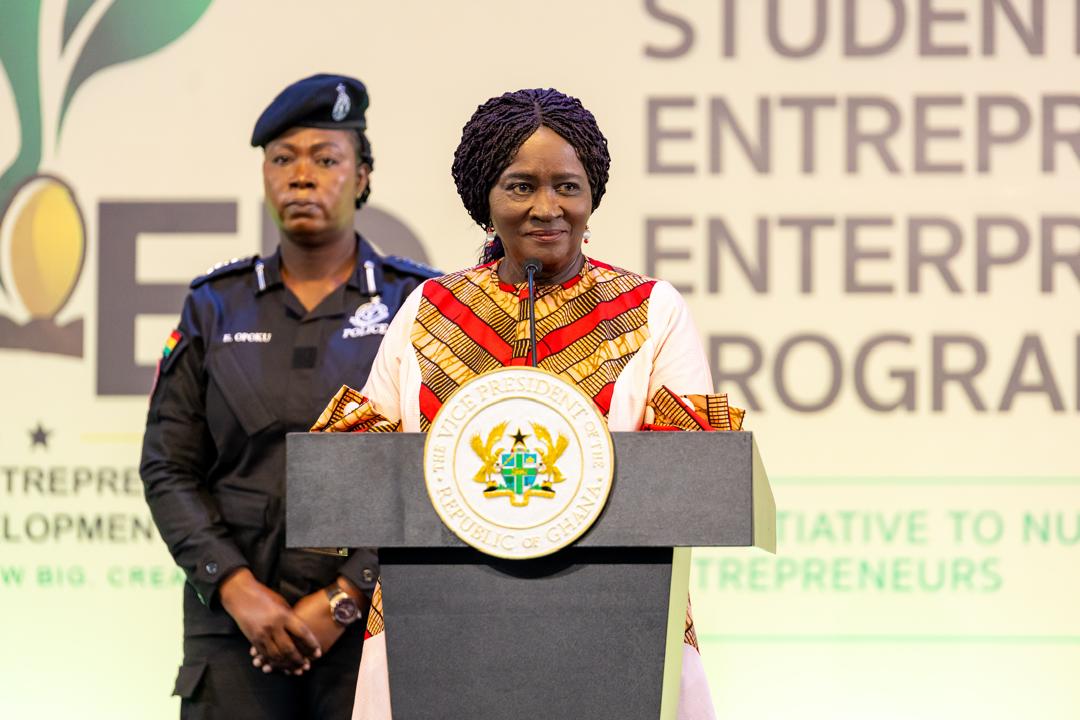
The programme, known as the Student Entrepreneurship and Enterprise Development (SEED) initiative, was officially unveiled in Accra by Vice President Professor Naana Jane Opoku-Agyemang, on Thursday April 30 alongside key government officials and stakeholders.
Speaking at the event, the Vice President highlighted the importance of deliberately nurturing young people who are eager to seize opportunities and create value for themselves and others.
She emphasized that Ghana’s future depends on empowering its youth with practical skills, access to funding, and sustained mentorship.
The launch follows the success of earlier entrepreneurship interventions under the National Entrepreneurship and Innovation Programme (NEIP). According to officials, the initial target of supporting 2,000 businesses was significantly exceeded, with more than 3,200 beneficiaries receiving financial assistance.
In addition, over 10,800 young Ghanaians completed five weeks of intensive entrepreneurship training, followed by six months of post-training mentorship, surpassing the programme’s annual training target of 10,000 participants.
Vice President Prof. Opoku-Agyemang noted that the overwhelming response to the initiative, which saw thousands of applications submitted within 24 hours of opening, reflects both the high demand for opportunities and the strong entrepreneurial spirit among Ghanaian youth.
“Our responsibility is to ensure that this energy is not wasted, but channeled into viable enterprises that can grow, create jobs, and contribute meaningfully to the economy,” she said.
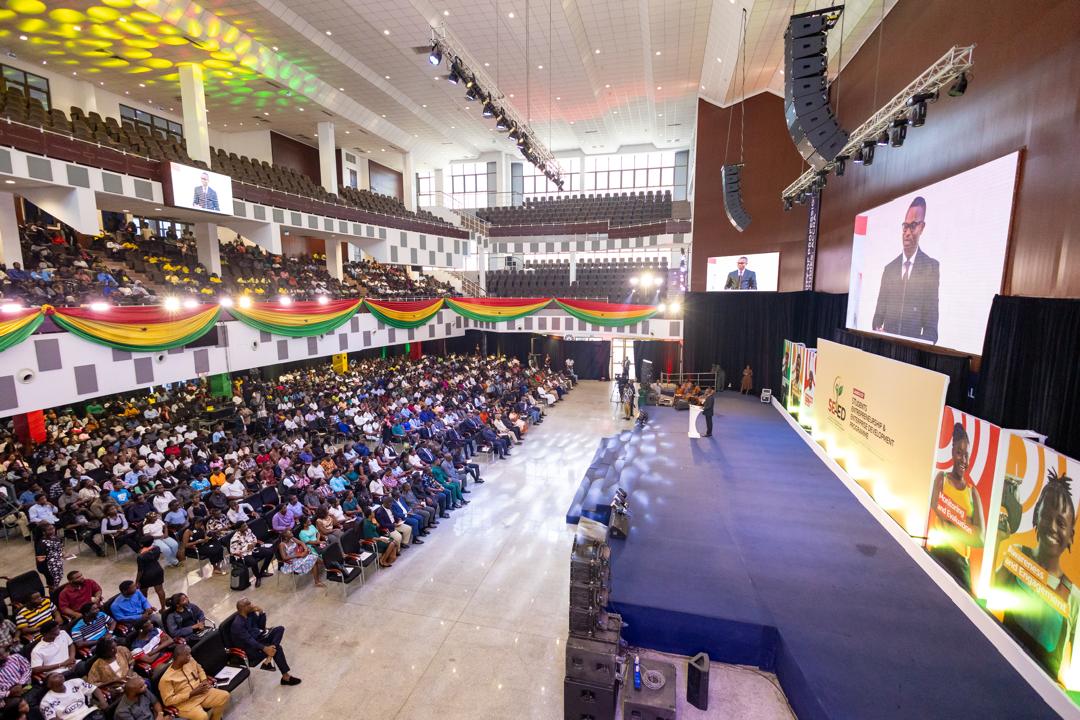
The SEED programme is designed to provide a structured pathway for students in universities, technical institutions, and colleges of education to transform ideas into businesses.
It integrates training, mentorship, incubation, and access to funding into a single framework, with a focus on scalability and practical outcomes.
Chief Executive Officer of NEIP, Eric Adjei, described the initiative as a “strategic shift” toward starting entrepreneurship development earlier. He explained that the programme aims to ensure that no viable student idea remains undeveloped due to lack of support.
“Too many brilliant ideas remain in notebooks. SEED is designed to make sure those ideas become real businesses,” he said.
Eric Adjei added that the programme is supported through partnerships with the Venture Capital Trust Fund to provide both debt and equity financing, as well as collaboration with regulatory bodies such as the Office of the Registrar General, the Food and Drugs Authority, and the Ghana Standards Authority to streamline business registration and compliance processes.
Minister for Youth Development and Empowerment, George Opare Addo, stressed that government support programmes must remain non-partisan to achieve long-term national impact.
He noted that grant allocation processes are handled by independent committees drawn from academia, the private sector, and financial institutions.

“Poverty does not know any political colour. When jobs are created, it benefits all Ghanaians,” he said.
The SEED initiative operates under the broader government flagship programme, Adwumawura Programme, and is being implemented by NEIP. It seeks to equip students with entrepreneurial discipline, leadership skills, and the ability to identify and solve real-world problems.
Stakeholders at the event, including representatives from academia, innovation hubs, and the private sector, were urged to collaborate to ensure the programme’s success and expand its reach across the country.
The government says the initiative represents a critical step toward building a new generation of job creators and positioning Ghana as a leading hub for youth-driven innovation in Africa.
By Evelyn Tengmaa