
As we mark Mother’s Day, I make a heartfelt appeal to the Judiciary and Parliament of Ghana to urgently re-examine the legal and policy framework governing marital divorce, child maintenance, custody, and the distribution of spousal property upon divorce.
Recent Supreme Court decisions – particularly Ayishetu v. Dwamena (2025) and Abena Pokua v. Kwakye (2025) – have generated widespread concern regarding the protection of women’s rights in Ghana, especially within the context of marriage dissolution.
These rulings have been interpreted by many as representing a significant departure from the progressive jurisprudence that Ghana painstakingly developed over the past two decades in advancing gender equity under our Constitution.
Women and children remain among the most vulnerable groups in society. While constitutional equality is a fundamental principle, true justice requires recognition of the realities that shape lived experiences.
Equality before the law must not become blindness to biological realities, social structures, or longstanding systemic disadvantages.
Ghana’s 1992 Constitution, together with international legal instruments to which Ghana is a signatory – including conventions focused on the rights of women and children – clearly impose obligations on the State to protect vulnerable persons and promote substantive fairness, not merely formal equality.
Historically, Ghana’s courts made commendable progress in interpreting Articles 17 and 22 of the Constitution in ways that acknowledged the realities of marriage, unpaid domestic labour, caregiving, emotional support, childbearing, and other non-monetary contributions that are indispensable to family life.
These judicial approaches reflected the understanding that marriage is not merely an economic partnership measured only by direct financial contribution.
This approach resonated with many Ghanaian women because it recognized a simple but profound truth: the contributions women make within marriage often cannot be neatly quantified in cash terms, yet they are central to the creation, stability, and success of the family unit.
A woman may pause or sacrifice her career to raise children, manage the home, support her spouse’s ambitions, provide emotional labour, and absorb significant social and psychological burdens that make economic advancement for the family possible.
To demand rigid proof of direct financial contribution as the dominant determinant of property distribution risks ignoring the invisible labour that sustains many marriages.
Global legal scholarship and social research consistently show that unless one accounts for biological, psychological, economic, and socio-cultural realities, one cannot fully appreciate the disproportionate burdens many women bear within marital relationships.
This is not an argument for unfair advantage. It is an argument for substantive justice.
Children are equally affected by these legal outcomes. Divorce-related decisions on maintenance, custody, and property distribution directly influence their welfare, education, emotional stability, and long-term life outcomes.
Any legal framework that weakens protections for mothers without adequately safeguarding children risks creating broader social harm.
I therefore respectfully urge:
1. The Judiciary
To provide clarity in the interpretation of recent decisions and ensure that constitutional protections for women and children are applied in a manner that reflects both legal principle and social reality.
2. Parliament
To urgently enact comprehensive legislation under Article 22 of the Constitution to clearly define the rules governing marital property, spousal rights, maintenance obligations, and protections for children in divorce proceedings.
3. Civil Society, Women’s Groups, and the Ghana Bar
To engage constructively in national dialogue to ensure that Ghana’s legal evolution remains aligned with constitutional justice, international obligations, and social fairness.
Mother’s Day should not only be a day of celebration. It should also be a moment of reflection on whether our legal and institutional systems adequately protect the women who carry so much of society’s burdens – often silently.
A nation’s commitment to justice is measured not merely by abstract legal doctrines, but by how it protects the vulnerable.
Ghana must not retreat from progress.
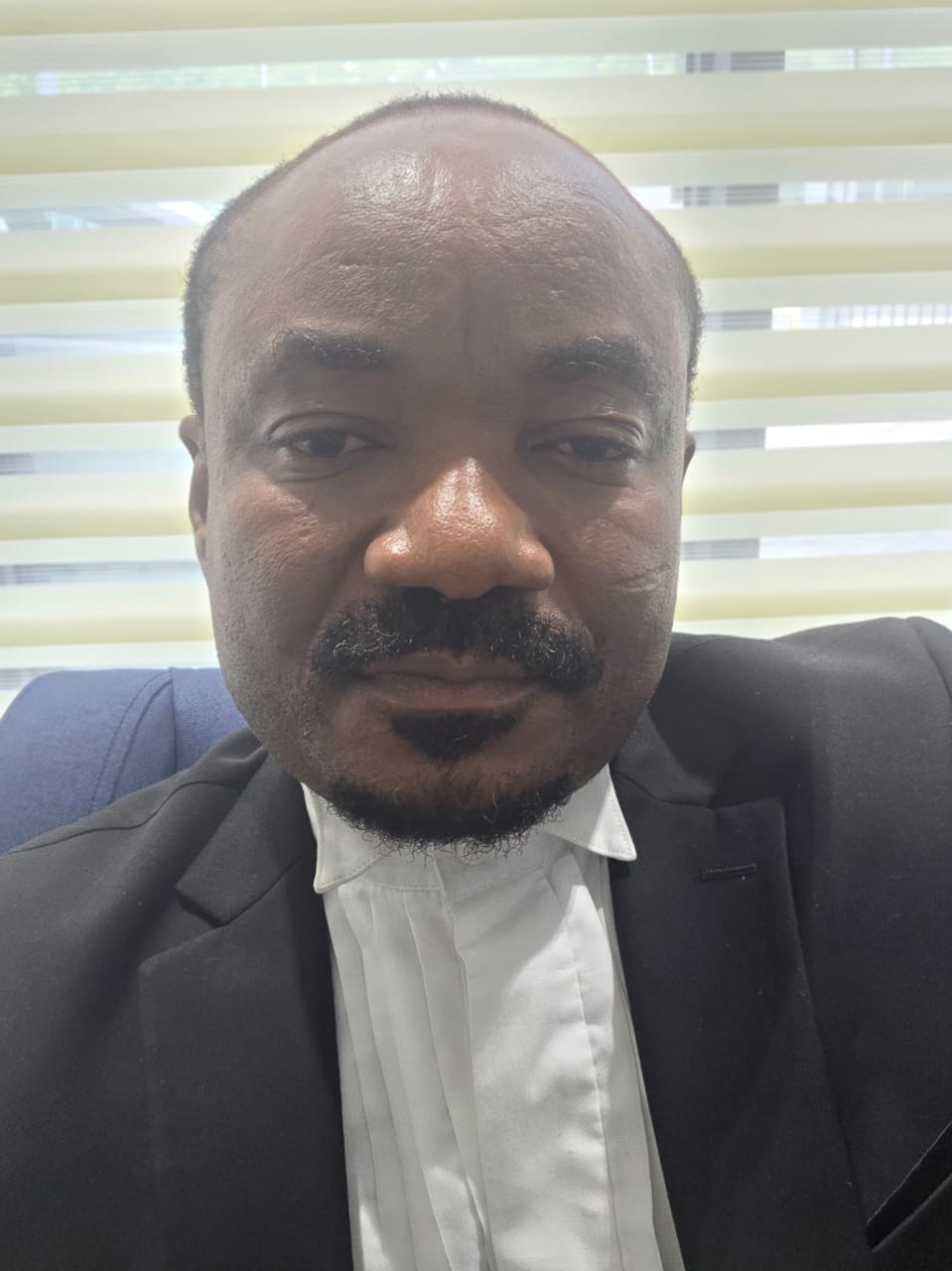
By John Kwame Quayson, Constitutional Lawyer, and advocate on governance matters.