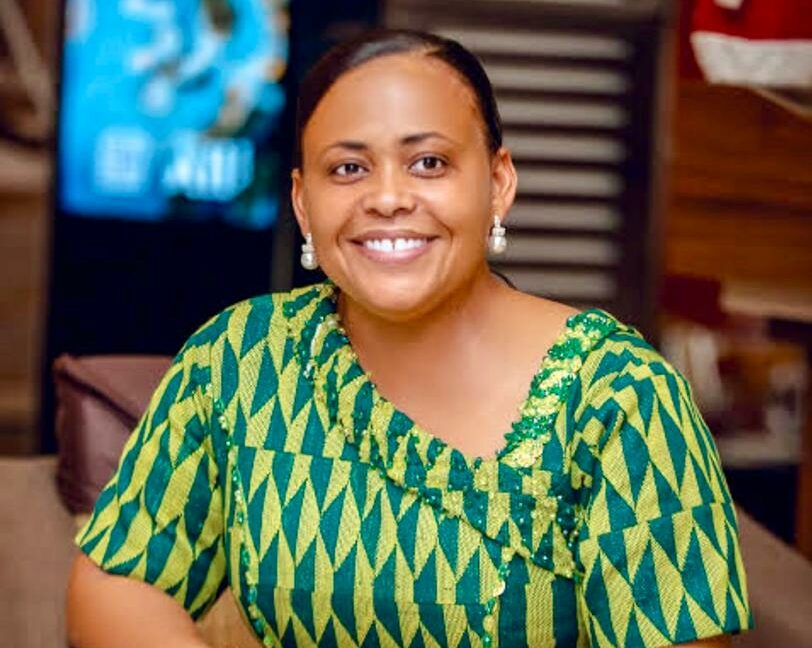

As Ahanta prepares to celebrate its rich history, culture and identity through the seven-day Go Ahanta Heritage Month initiative, at the behest of the Member of Parliament for Ahanta West, Mavis Kuukua Bissue, she has renewed calls for a scientific solution to one of the area’s most enduring traditional disputes.
The dispute has to do with the ownership and final resting place of the remains of the legendary Ahanta king, Nana Badu Bonsoe II.
The MP says she will advocate for a DNA test to be conducted on the remains of the revered ruler amid competing claims by several families over his lineage and ownership of his remains.
She believes the outcome could help resolve the long-standing chieftaincy dispute that has stalled efforts to install a substantive successor to one of country’s most historic stools.
Nana Badu Bonsoe II occupies a unique place in Ghana’s anti-colonial history. Widely regarded as one of Ahanta’s most courageous rulers, he became a symbol of resistance against foreign domination in the early nineteenth century.
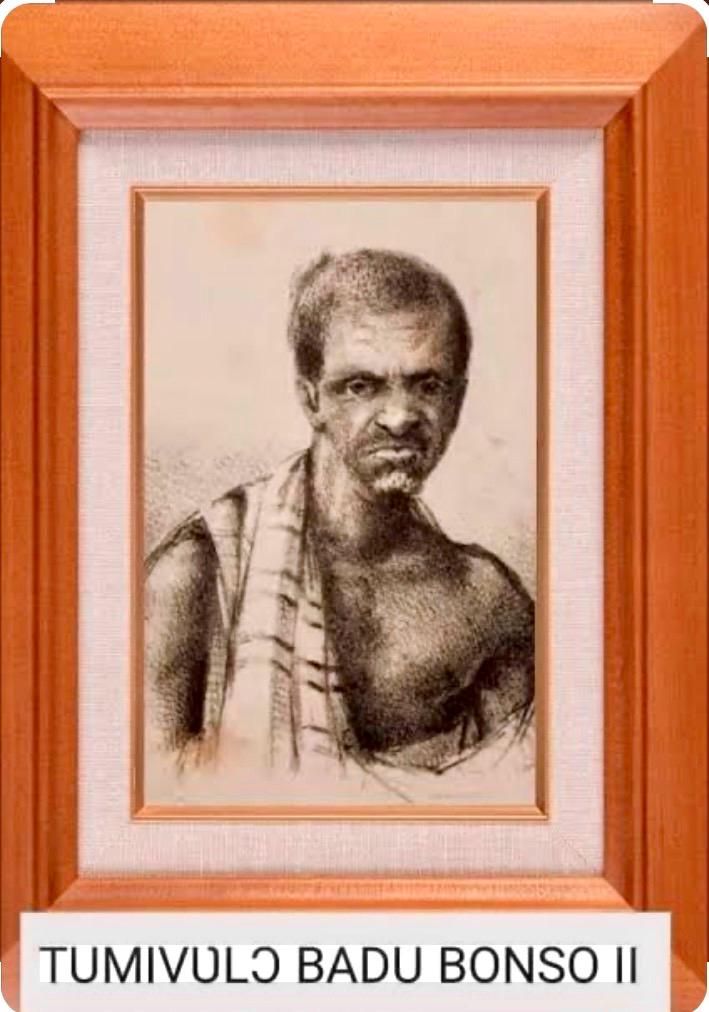
Historical accounts indicate that tensions escalated between the Ahanta State and the Dutch colonial administration after disagreements over trade arrangements and increasing foreign interference in local affairs.
Badu Bonsoe II openly challenged Dutch authority and resisted efforts to extend colonial control over Ahanta lands and resources.
Speaking on Accra based Joy FM, Mrs Bissue recounted that the Dutch were fascinated by the king’s influence and determination. “…they wanted to know why he was such a powerful person, and why he was able to fight many on his own,” she said.
His resistance ultimately cost him his life. In 1838, he was captured, tried and publicly executed by beheading at Busua by the Dutch colonial administration. His severed head was subsequently transported to the Netherlands, where it remained in a museum collection for more than 170 years.
The story of Badu Bonsoe II has since become one of the most powerful symbols of African resistance to colonial oppression, elevating him beyond Ahanta history into the country’s broader struggle against foreign domination.
In July 2009, following years of diplomatic engagement and advocacy, the Dutch government repatriated the king’s head to Ghana in what was widely celebrated as a significant act of historical justice. However, what many expected would bring closure instead opened a new chapter of controversy.
Several royal families and factions within Ahanta laid claim to the remains, sparking disputes over his true lineage and which family had the legitimate right to receive and bury him. The disagreements eventually found their way into the courts, creating a prolonged stalemate.
According to Mrs Bissue, the confusion stems partly from the disruption of historical family records during the colonial era. As the dispute intensified, authorities imposed restrictions on access to the remains, which have since been kept at the 37 Military Hospital.
“Families used to go there to see him and try to take him home. Somehow, the whites cleaned his family history and wiped it in such a way that when he decides to come back, the family would not be able to put themselves together.”
The Ahanta West MP disclosed that those restrictions have now been lifted following engagements involving the Ministry of Defence and the Presidency.
“There are a few families that are claiming that he came from their lineage, or that he is part of them. So, they were coming to 37 Hospital to see the head and claim it, and I think that caused a bit of an issue. Then there was a court order that nobody should come again because they were fighting.”
“I’ve been able to push as a Member of Parliament through the Ministry of Defence to the Presidency to make sure that the order is lifted. I only got the information last night,” she revealed.
Despite that breakthrough, Mrs Bissue believes the underlying dispute remains unresolved and could resurface if the remains are released without a clear determination of the king’s rightful lineage.
“I am pushing for a DNA. Because even if we allow it to go home, we are still going to have issues,” she stated.
“So I’m pushing for a DNA to be conducted between the families who are claiming that he belongs to them, so that once we discover the true family, then the President can actually release the head to them.”
The MP argues that a DNA-based verification process could provide an objective and scientific basis for resolving claims that have long relied on competing oral histories and family traditions.
If accepted by all parties, such a process could pave the way for the dignified burial of the king’s remains, bring closure to years of litigation and uncertainty, and contribute significantly to efforts to resolve the broader succession dispute.
By Eric Yaw Adjei