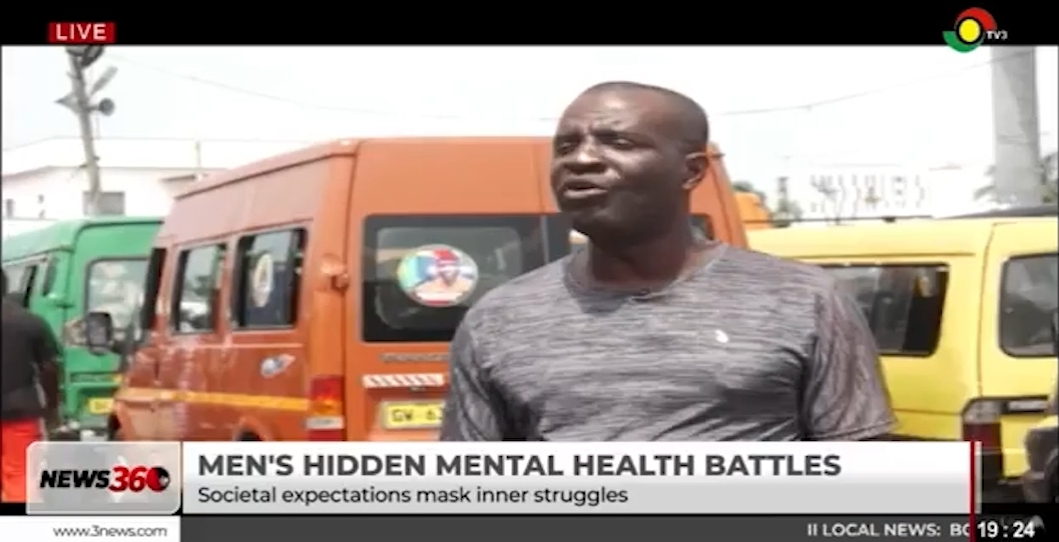

He smiles. He works. He provides. But behind that smile, 55-year-old Owureku, like many Ghanaian men, is silently fighting battles no one sees.
Men’s mental health, a health issue that often remains hidden behind societal expectations of strength and resilience.
At first glance, 55-year-old Owureku appears to have everything under control.
As a commercial bus driver, he leaves home each morning before sunrise and returns late at night to his family as a dependable provider. But for years he has carried burdens he alone understands.
From economic pressures and unemployment to family responsibilities and social expectations, many men face emotional and psychological stress in silence.
‘‘Sometimes, it’s even difficult to provide chop money. Every expense is on us and there is no help from anywhere. I sometimes have to take in alcohol before I can have some sleep for at least 2 hrs. ’’ He narrated.
Cultural norms often discourage men from expressing vulnerability, seeking help or discussing emotional struggles.
For many others like Yaw Amoako, sadness is hidden behind work. Anxiety is masked by humor.

Having been in the profession for 30 years, his depression is buried beneath responsibility.
‘‘We are suffering. We take care of a lot with very little income. Pray for no problem on the way so that the police will not catch you. I can’t even sleep. The sleep will not even come. Most of the accidents are as a result of the stress on us. We hardly sleep as drivers at home so we sleep while driving.’’ Mr Amoako said.
According to the Ghana Health Service, depression, schizophrenia, and drug abuse-related mental health disorders are among the conditions common among men, and the consequences can be devastating.
Experts warn that untreated mental health conditions can contribute to substance abuse, family breakdown, and chronic illness and, in some cases, suicide.
Dr Ama Ampomah Boadu, a Psychiatrist and Deputy Director, Mental Health at the Ghana Health Service said, “Men hardly speak when things are bothering them. You know society demands so much from them, so they are mostly saddled with a lot which stresses them. They pay fees, rent, light bills, water bills, hospital bills, just name it. Every burden is on the man.”
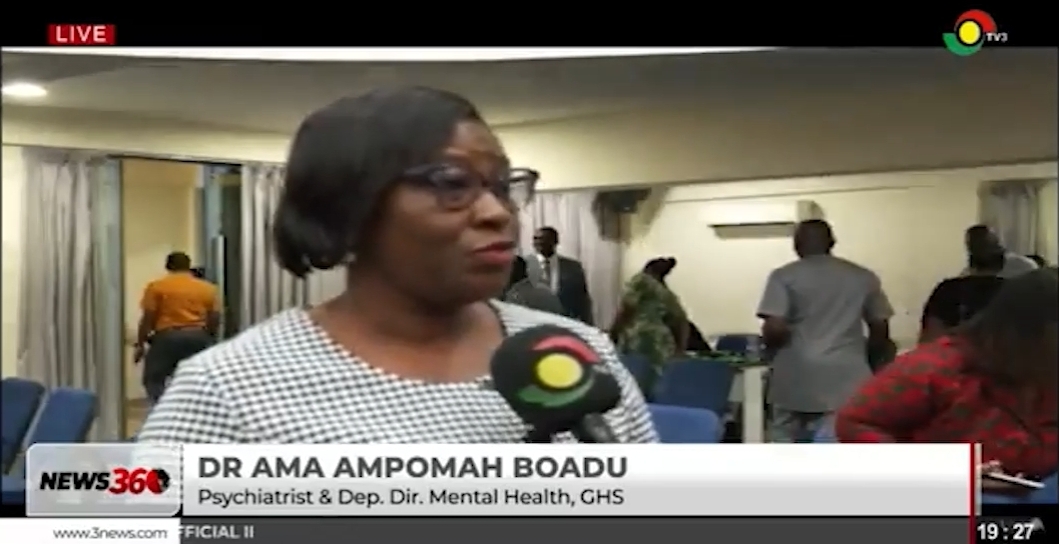
“If you look at the trends, more women attempt suicide, but more men succeed. When you look at the issues of mental health mostly reported among men, its depression, schizophrenia and substance induced issues. We should encourage them to speak when they have issues. It’s not good to keep everything inside.’’ She cautioned.
Yet despite increasing awareness of mental health issues, many men still view seeking professional support as a sign of weakness rather than strength.