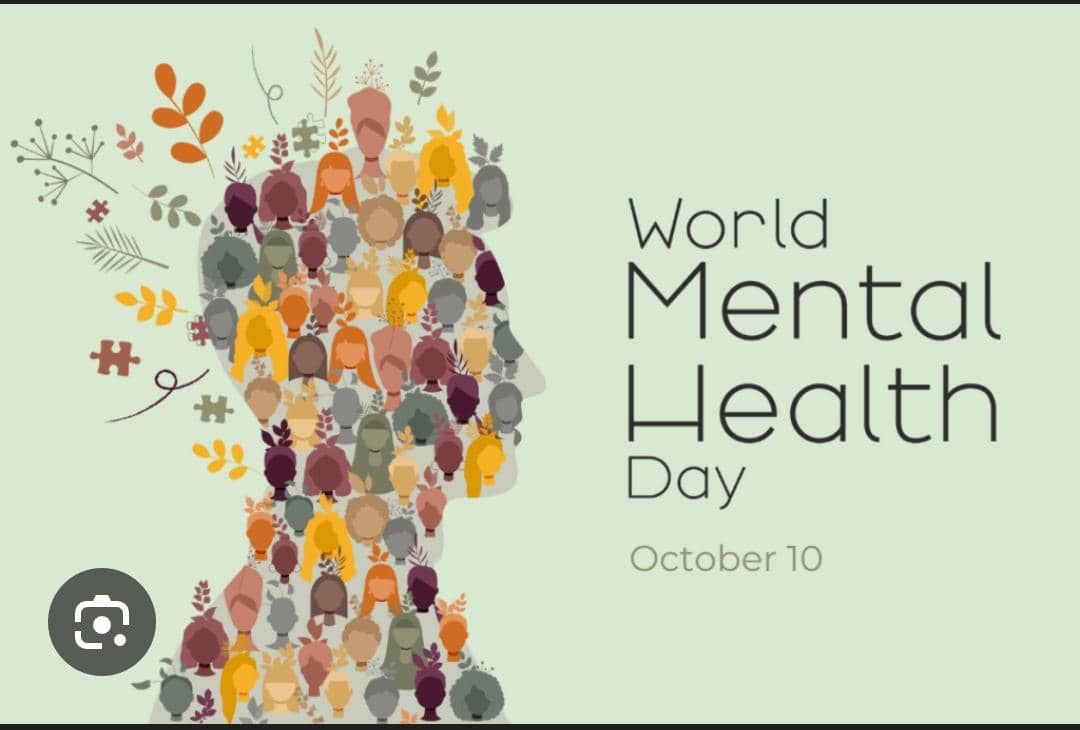

The Women, Media and Change (WOMEC) has called on government and development partners to strengthen CHPS compounds with mental health support, especially for women and girls.
They also want CHPS compounds to offer free trauma and psychosocial counselling for survivors of gender-based violence.
According to Executive Director for WOMEC, Dr. Charity Binka, highlighting the urgent need to prioritize women’s mental health, especially during crises and emergencies is sure way to improve women’s mental health.
In a statement, WOMEC joined the global community to commemorate World Mental Health Day, observed annually on 10th October to raise awareness and advocate for mental wellness as a human right.

WOMEC believes this year’s theme, “Access to Services – Mental Health in Catastrophes and Emergencies,” is especially relevant in Ghana and across Africa, where emergencies, from economic hardship and floods to road accidents, epidemics, conflicts, and gender-based violence, continue to threaten mental well-being.
In Ghana, mental health remains a concerning situation, with several challenges hindering effective care and support. The WHO reports approximately 2.3 million Ghanaians live with mental health conditions, and about 1 in 5 people will experience a mental health condition in their lifetime.
There are only a few psychiatric hospitals in Ghana, mostly located in the southern part of the country, making access to mental healthcare difficult.
WOMEC noted that women who are already disproportionately affected by social and economic inequalities, face even deeper emotional trauma during emergencies.
Whether they are survivors of domestic violence during disasters, caregivers during disease outbreaks, frontline health workers, or mothers struggling through loss and displacement, women often bear the greatest psychological burden with the least support.
‘‘Women are the emotional pillars of homes and the backbone of community life, yet they face enormous physical, economic, and psychological stress without adequate support. Studies show that women are at a higher risk of anxiety, depression, and trauma, but very few receive professional help due to stigma, discrimination, and limited access to mental health services, especially in rural communities. Many women lack safe spaces to seek help, community-based mental health services, trauma counselling, financial ability to access private care and protection from stigma and cultural silence,’’ Womec observed.
WOMEC believes that access to mental health care, especially for women and girls must be treated as a basic human right, not a luxury. And very emergency response, every community recovery plan, and every policy on peace and security must include mental health support as a core component.