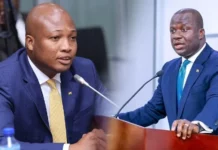

Ghana’s Foreign Affairs Minister, Samuel Okudzeto Ablakwa, has said “Ghana is transitioning from being a crime scene to a sanctuary for healing and reparatory justice.”
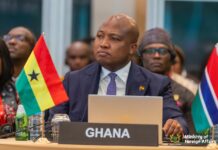
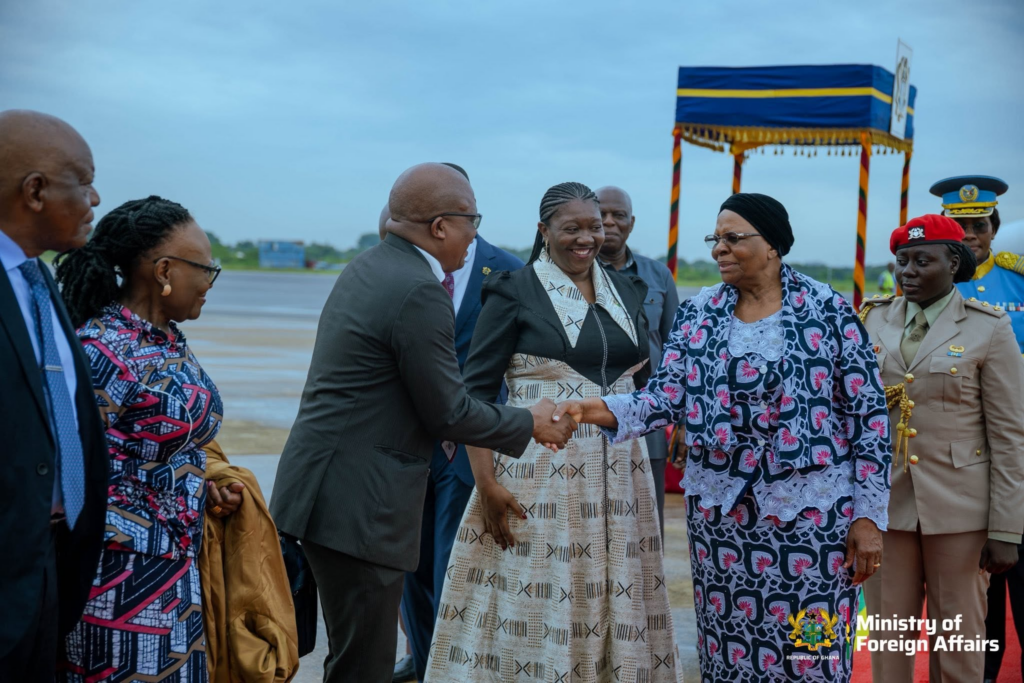
He made the remarks during his welcome address at the high-level consultative meeting on the next steps after the United Nations (UN) resolution on trafficking of enslaved Africans in Accra on Thursday, June 18, 2026.
Ablakwa highlighted Ghana’s historical significance as the headquarters of the transatlantic enslavement, hosting the highest number of forts and castles than any other country.
According to him, despite the country being held as the epicentre of slavery with several monuments as evidence, Ghana is now become the hub for healing from the atrocities caused by the slavery centuries ago.
“For centuries, Ghana was held as the headquarters of the transatlantic enslavement. That is why Ghana hosts the highest number of forts and castles than any other country. But today, Ghana is transitioning from being a crime scene to a sanctuary for healing and reparatory justice,” he said.
He explained that the significance of the conference extends beyond the discussions over the next two days, stressing that the outcomes “have the potential to shape the future trajectory of the global reparations agenda.”
The Minister urged world leaders to think boldly, build bridges across regions, and act collectively to address the ongoing effects of historical injustices.
Ablakwa’s remarks come after Ghana’s President, John Dramani Mahama, championed the UN resolution declaring the transatlantic slave trade a grave crime against humanity.
The resolution, adopted on March 25, 2026, received 123 votes in favour, with only three countries voting against it.
Ablakwa reiterated the need for a spirit of dialogue, partnership, and mutual respect in the course of the gathering. “We must approach our discussions with the understanding that although history cannot be changed, the future remains ours to shape,” he said.
He expressed confidence that the gathering would yield practical outcomes and guide the next phase of the reparatory justice movement. “The world is watching and the global community looks to this conference for leadership, vision and practical outcomes,” Ablakwa stated.
Ablakwa lauded the courage and resilience of world leaders gathered at the meeting, emphasising their responsibility to future generations.
“We should be inspired by the courage and resilience of our world leaders gathered here and all those who came before us and by our responsibility to future generations who will judge us not only by what we say, but by what we achieve,” he added.
The conference brings together heads of state, diplomats, scholars, and activists to discuss reparatory justice and strengthen Africa’s collective voice on the issue.
The Ghanaian lawmaker expressed confidence that the conference will chart a course that will create a world of equal opportunities for all.
“Your excellencies, this conference will deepen our shared understanding, strengthen our collective resolve and deliver meaningful outcomes that advance justice, dignity and equity for Africans as we build and construct a new world without discrimination, without racism and without inequalities.”