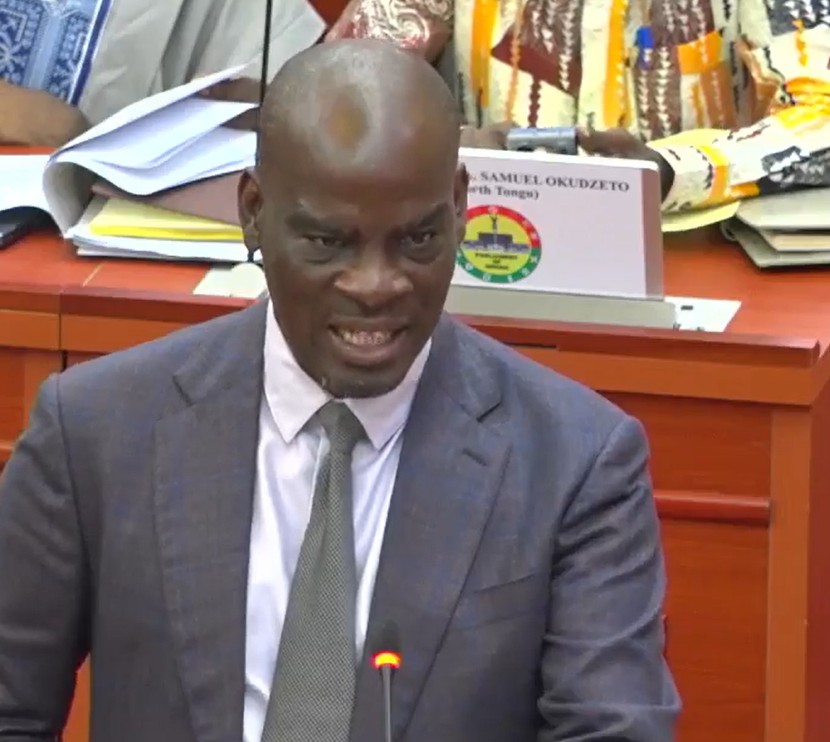

The Minister for Education, Haruna Iddrisu, has revealed that Ghana faces a shortage of teachers, with the education sector requiring between 50,000 and 90,000 additional educators to adequately staff schools nationwide.
Addressing Parliament on Thursday, June 18, the Minister said the government is constrained by budgetary limitations, making it impossible to recruit the number of teachers needed to close the staffing gap.
According to him, although the demand for teachers remains high, the government only secured financial clearance to recruit 7,000 teachers, a figure significantly below the sector’s actual needs.
“My need for teachers is between 50,000 and 90,000, but I had clearance for 7,000, and that is what I am making do with,” Mr. Iddrisu told Parliament.
He explained that ongoing reforms in the education sector have increased staffing demands, particularly with the expansion of institutions under the Ghana Education Service and the Commission for Technical and Vocational Education and Training.
The Minister noted that newly recruited teachers must be distributed across both the Ghana Education Service and the Technical and Vocational Education and Training (TVET) sector, further stretching the limited number of available personnel.
“The country has evolved and we have taken reforms that will benefit education in the foreseeable future. We now have the Commission for Technical and Vocational Education and the GES and so when we are recruiting, we allocate teachers for TVET and GES, but there is a difference between need and what I have budgetary approval for,” he explained.
His comments shed light on the government’s recent decision to recruit only 7,000 teachers, a move that sparked concerns among education stakeholders and unemployed trained teachers who argue that the number falls far short of addressing the growing backlog of qualified graduates awaiting employment.
The Minister’s remarks underscore the challenges facing the education sector as government seeks to balance staffing needs with fiscal constraints while pursuing reforms aimed at improving the quality and reach of education across the country.