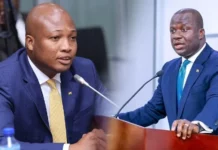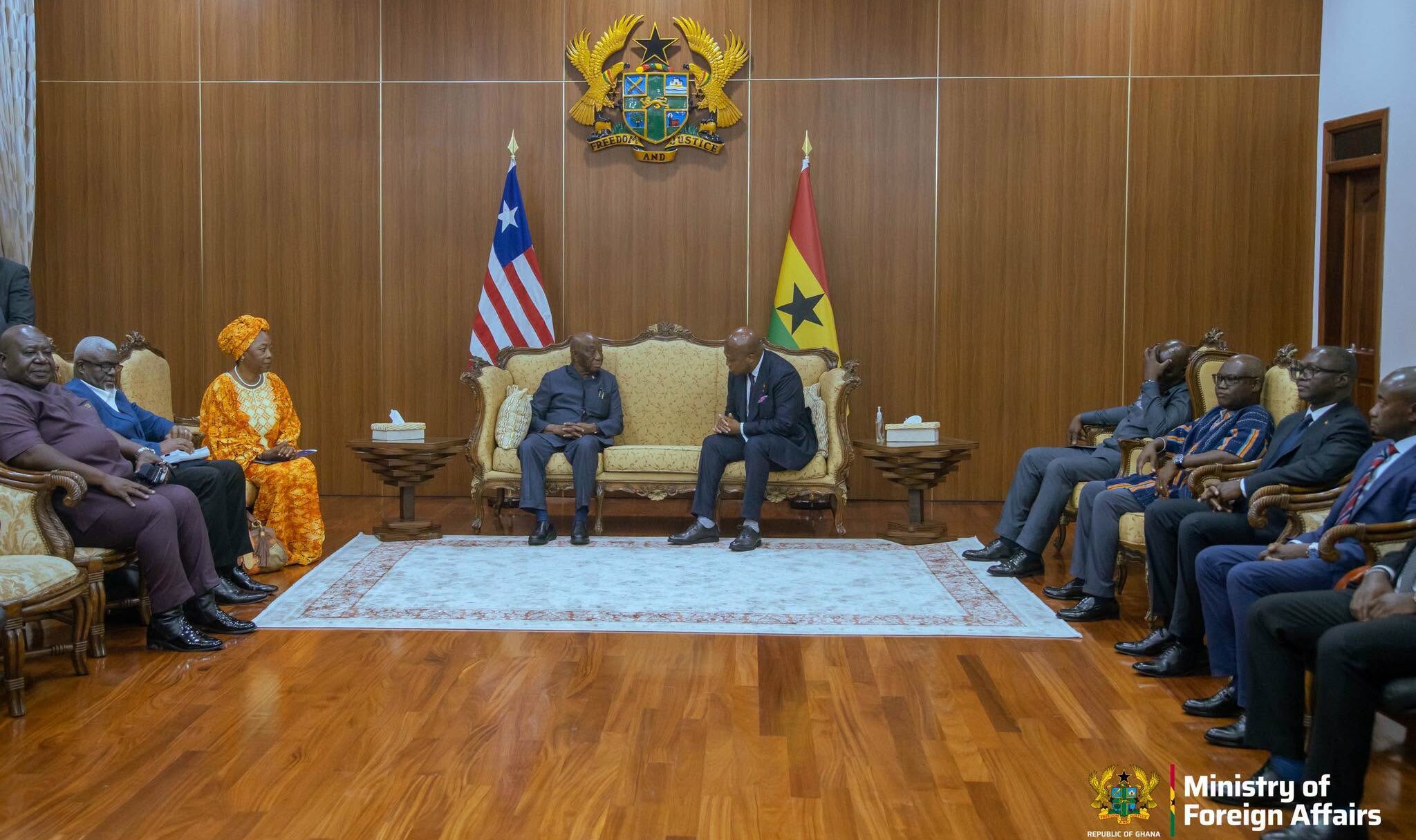

Ghana’s Foreign Affairs Minister, Samuel Okudzeto Ablakwa, has emphasised that reparatory justice is now a legitimate global concern demanding serious engagement and thoughtful solutions.
According to him, the UN resolution on transatlantic slave trade has sparked unprecedented momentum across continents, governments, institutions, scholars, and citizens, with renewed conversations about historical accountability, restitution, reconciliation, and sustainable mechanisms for redress.
He made the statement during his welcome address at the high-level consultative meeting on the next steps after the United Nations (UN) resolution on trafficking of enslaved Africans in Accra on Thursday, June 18, 2026.
According to him, “a growing international support for these conversations demonstrates that reparatory justice is no longer a peripheral issue. It is now firmly established as a legitimate global concern that demands serious engagement and thoughtful solutions.”
The Minister highlighted significant progress made since the adoption of the historic resolution, including apologies from the Pope, the Church of Scotland, and statements from leaders like French President Emmanuel Macron.
“We have all heard the apology from Pope Leo XIV, the head of the Catholic fraternity, apologising for the role of the Catholic Church, the papal bulls that offered theological, doctrinal justification for slavery,” Ablakwa said.
He also welcomed the repeal of France’s Code Noir, a set of laws that dehumanised Africans, and acknowledged the European Union’s willingness to work with Ghana on reparatory justice. “We also welcome the formal communication from the European Union that they are willing to work with Ghana on this journey for reparatory justice,” he added.
Ablakwa expressed pride in the contributions made to the landmark resolution, noting that the UN resolution is not a mere academic exercise. “We are already recording significant progress, unprecedented accomplishments, and all of us in this room must be proud of the contributions we have made to this landmark resolution,” he said.
Ablakwa’s remarks come after Ghana’s President, John Dramani Mahama, championed the UN resolution declaring the transatlantic slave trade a grave crime against humanity.
The resolution, adopted on March 25, 2026, received 123 votes in favour, with only three countries voting against it.
The conference brings together heads of state, diplomats, scholars, and activists to discuss reparatory justice and strengthen Africa’s collective voice on the issue.
The Ghanaian lawmaker expressed confidence that the conference will chart a course that will create a world of equal opportunities for all.
“Your excellencies, this conference will deepen our shared understanding, strengthen our collective resolve and deliver meaningful outcomes that advance justice, dignity and equity for Africans as we build and construct a new world without discrimination, without racism and without inequalities.”
‘Ghana is transitioning from crime scene to sanctuary for healing and reparatory justice’ – Ablakwa