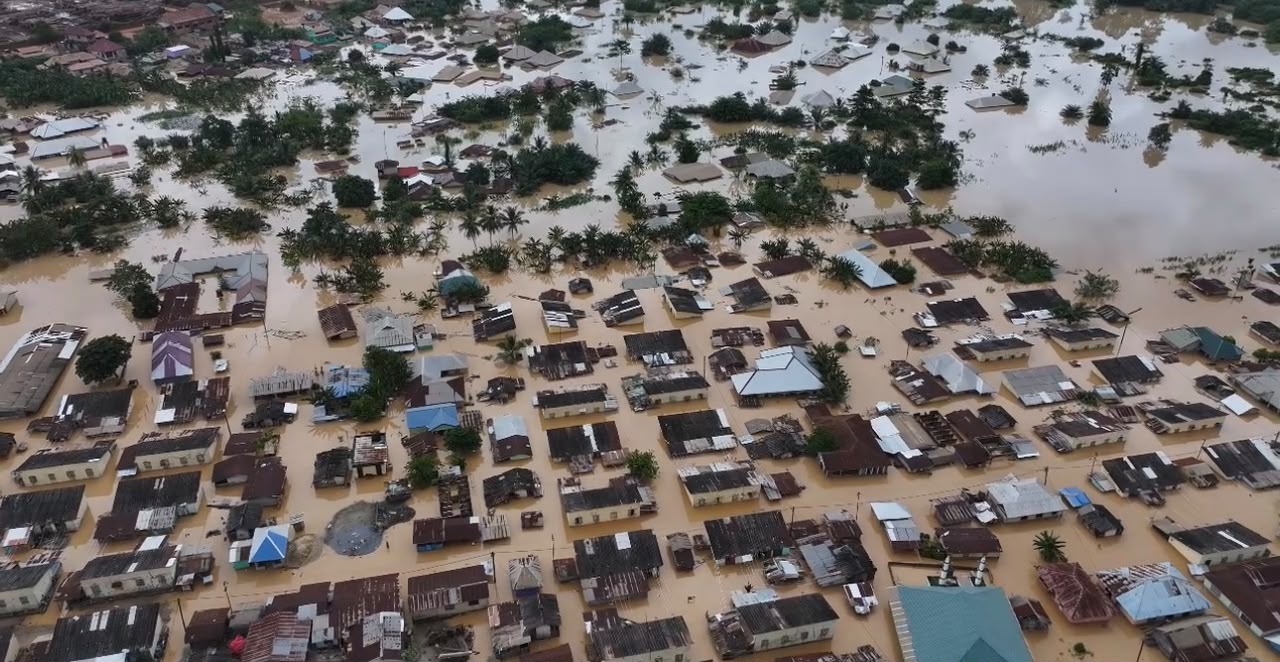

In a high-stakes mission to confront the escalating environmental crisis, the Environmental Protection Authority (EPA) has deployed its top leadership to assess the devastation in Samreboi following catastrophic flooding attributed to illegal mining.
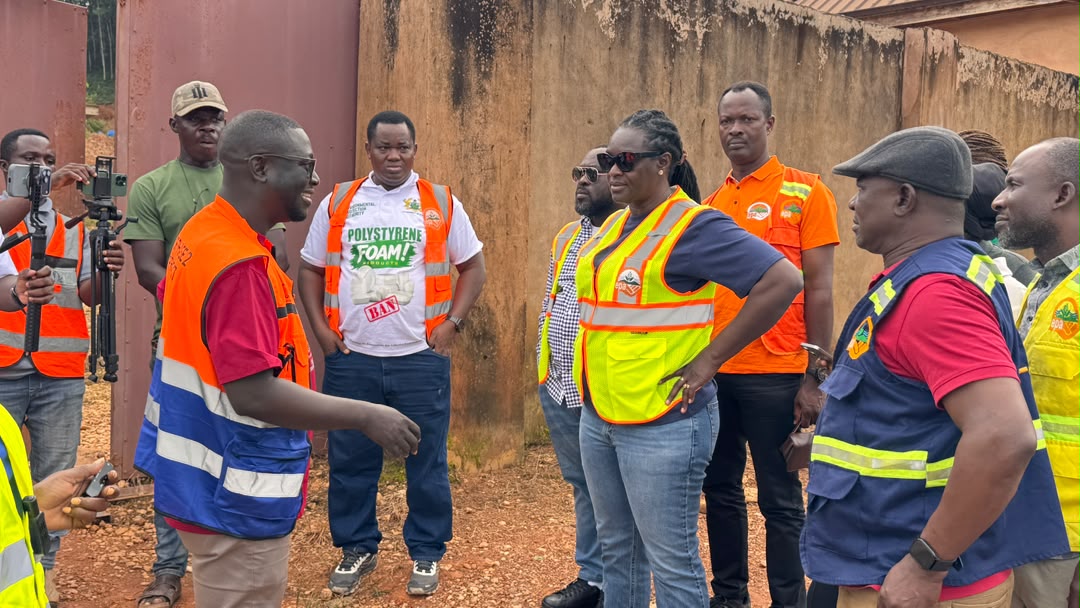
In a decisive move to address the escalating environmental crisis in the Western Region, the Chief Executive Officer of the Environmental Protection Authority (EPA), Prof. Nana Ama Browne Klutse, has led a high-powered delegation to Samreboi.
The mission is to conduct a first-hand assessment of the devastating floods that have submerged communities and displaced hundreds, with officials pointing the finger squarely at the destructive impact of illegal mining, popularly known as galamsey.
Accompanied by a team of senior officials, including the Deputy CEO for Operations, Prof. Michael Ayamga-Adongo; Director of Mining, Ing. Michael Sandow Ali; and Director of Corporate Affairs, Mrs. Audrey Quarcoo, Prof. Klutse is on the ground to witness the scale of the disaster and chart a path forward for intervention.
The EPA’s visit comes on the heels of torrential rains that transformed the landscape of Samreboi and its environs into a disaster zone.
The flooding, which also impacted parts of the Central Region, has been widely linked to the environmental degradation caused by uncontrolled mining activities.
Rivers and waterways in the Wassa Amenfi area, a notorious hotspot for galamsey, have been altered, blocked, and diverted, stripping the land of its natural ability to manage heavy rainfall.
“The EPA will assess the situation in Samreboi and, going forward, we are considering dredging and re-engineering many of these water bodies that have either been blocked or diverted for illegal mining,” Prof. Klutse stated to journalists in Takoradi.
Her comments underscore a growing consensus that the crisis requires aggressive physical intervention to undo the damage caused by years of unchecked mining.
The delegation’s schedule is packed with critical engagements aimed at understanding the human and environmental toll. They are expected to:
· Tour flood-affected communities to see the damage to homes, businesses, and public infrastructure.
· Pay courtesy calls on the chiefs of Tigarekrom and Aboifie, acknowledging the traditional authorities’ role in community leadership and disaster response.
· Engage residents at a community durbar, offering a platform for affected locals to voice their concerns and needs directly to the Authority.
· Visit victims and inspect temporary shelters, assessing the humanitarian conditions of those displaced by the rising waters.
The recent floods have highlighted a worrying expansion of disaster zones into areas previously less prone to severe inundation. In Cape Coast, the situation was similarly grim, with reports confirming that three lives were lost and three women injured during the floods.
In the Western Region, the situation in Samreboi represents the apex of a long-simmering crisis. The rivers and waterways, clogged and rerouted by mining operations, simply could not hold the volume of rain, leading to widespread devastation.
The EPA’s intervention is rooted in its expanded mandate under the Environmental Protection Act, 2025 (Act 1124) . The Authority is not just looking at immediate fixes but is developing a comprehensive strategy to mitigate the loss of lives and destruction of property resulting from environmental degradation and climate-related disasters.
“The team is expected to gather first-hand information to guide the Authority’s response,” the EPA stated. “We are committed to implementing measures to protect the environment and reduce the risk of future flooding.”
While the immediate focus is on humanitarian relief and damage assessment, Prof. Klutse’s announcement regarding dredging and re-engineering signals a long-term commitment to tackling the root causes of the flooding.
The findings from the assessment will be crucial in developing interventions to restore affected waterways, a monumental task that underscores the severe legacy left by illegal mining.
The visit to Samreboi is a stark reminder that the battle against galamsey is not just about protecting the forest; it is about protecting lives, livelihoods, and the very fabric of Ghanaian communities.
By Ebenezer Atiemo