
The Supreme Court of Ghana has described Cape Coast’s place in the country’s legal history as a “blessing” to the nation’s judiciary, saying the city’s contribution has helped make Ghana’s legal procedures unique.
According to the Supreme Court, the first formal British style court in the Gold Coast was established in Cape Coast in 1853 under the Supreme Court Ordinance of 1853. The British colonial administration created the “Supreme Court of Her Majesty’s Forts and Settlements on the Gold Coast,” which sat primarily in Cape Coast because it was the colonial capital at the time.
This historical milestone is why Cape Coast is traditionally nicknamed Ghana’s “City of Firsts.”
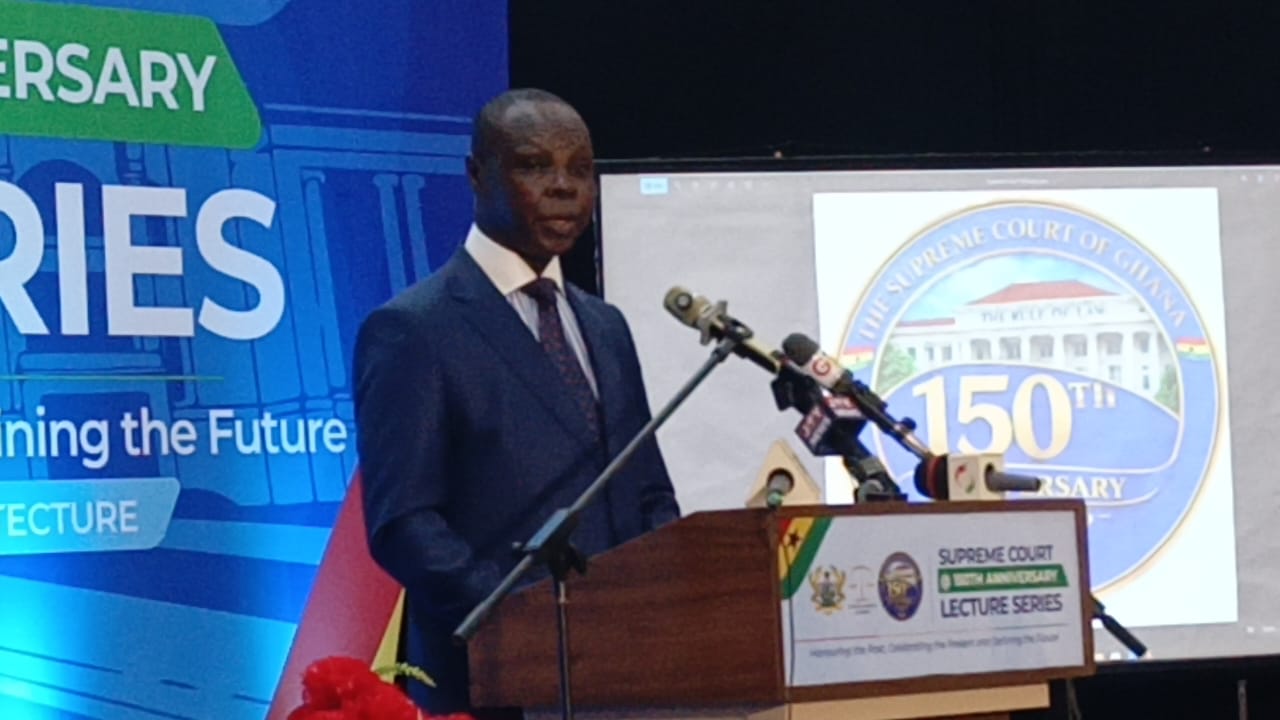
Speaking at the first lecture series marking preparations for the Supreme Court’s 150th anniversary, under the theme “Honouring the Past, Celebrating the Present and Defining the Future,” the Chairman of the Planning Committee, His Lordship Justice Adjei Frimpong, said Cape Coast’s special status in the country’s legal history has shaped judicial practice and strengthened public confidence in the rule of law.
“Without Cape Coast, our judiciary’s legal architecture and procedures would not reflect the distinct character they do today,” he said. “The city’s historical and institutional role has been central to the evolution of Ghana’s legal system.”
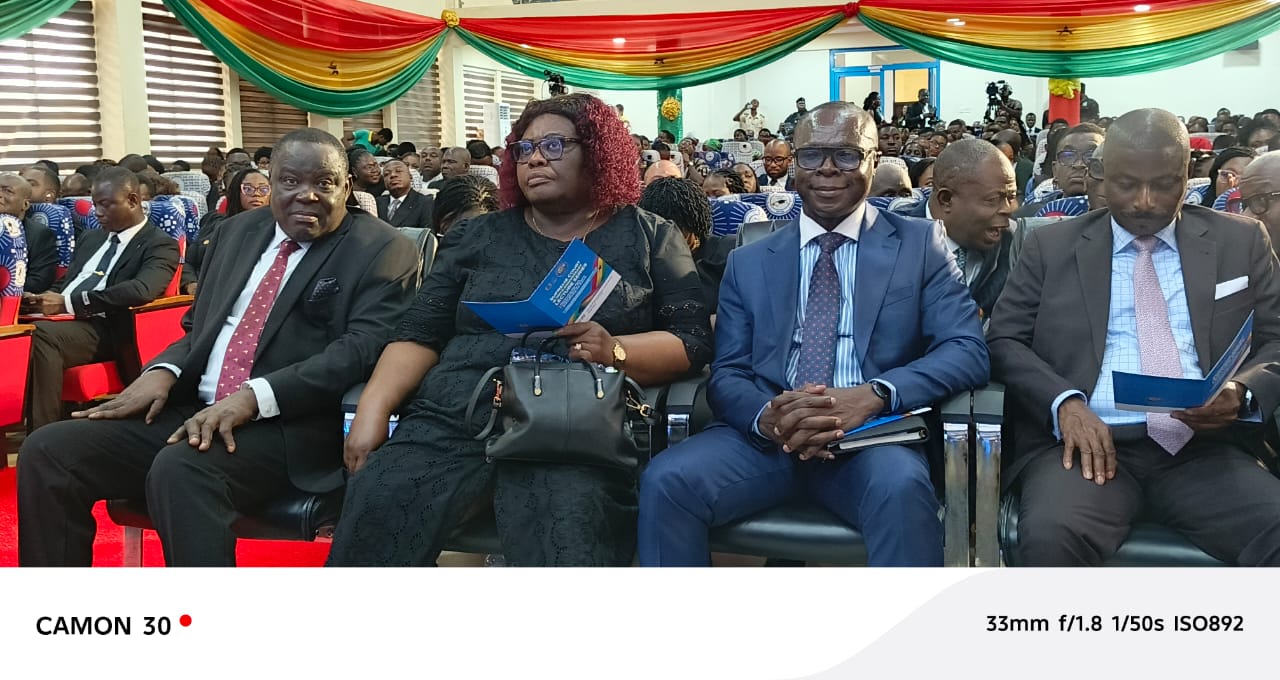
He added that commemorating the Supreme Court’s 150th anniversary presents an opportunity to recognise institutions and communities like Cape Coast that have helped shape the judiciary’s development.
Justice Gabriel Scott Pwamang, speaking on behalf of the Chief Justice, urged legal practitioners and law students to learn from the judiciary’s history and to commit to upholding the rule of law.
He said the celebration is not about current office‑holders only but about the institution of the Supreme Court and the judiciary as a whole.
“We expect you, young ones, to learn lessons from this event and dedicate yourselves to continuing the great work done in the past and being done today,” Justice Pwamang said.
He encouraged senior judges to continue participating, saying their presence helps prepare the next generation for the responsibilities of public and civic life.
Meanwhile, he noted that the people will mark the court’s next milestone on behalf of the people of Ghana.
The Vice‑Chancellor of the University of Cape Coast (UCC), Professor Denis Worlanyo Aheto, in his welcomed address, commended Parliament and the judiciary for decentralising professional legal training to various universities.
He said the initiative will reduce the need for students from the Central and Western regions to travel to Accra for legal training.
“Decentralising professional legal training to universities makes it more accessible for graduating students and means a lot to the people of the Central Region, who can now pursue law at the University of Cape Coast,” he said.
The Vice-Chancellor affirmed that the UCC Faculty of Law has members who are dedicated to academic excellence and practical training to prepare lawyers to compete locally and globally.
He assured the gathering of the faculty’s commitment to legal education at UCC.
The Paramount Chief of the Oguaa Traditional Council, Osabarima Kwesi Atta III, who graced the occasion, explained that Cape Coast is not only a historic town but has made a great contribution to Ghana’s legal development.
He said the town’s long association with the Supreme Court has produced a populace well versed in legal matters.
“Now my town to the extent that everyone has become a pocket lawyer and it is blessing to the people of the Central Region”.
As part of the Supreme Court anniversary activities, a groundbreaking ceremony was held for the construction of a state-of-the-art court complex in Cape Coast, intended to replace the old court complex.
By Timothy Gaison