
The Ghana Tourism Authority (GTA), in collaboration with key stakeholders, is developing a comprehensive regulatory framework to strengthen standards for event spaces and multi-purpose establishments as part of efforts to improve safety, service quality, and professionalism within Ghana’s tourism and hospitality industry.
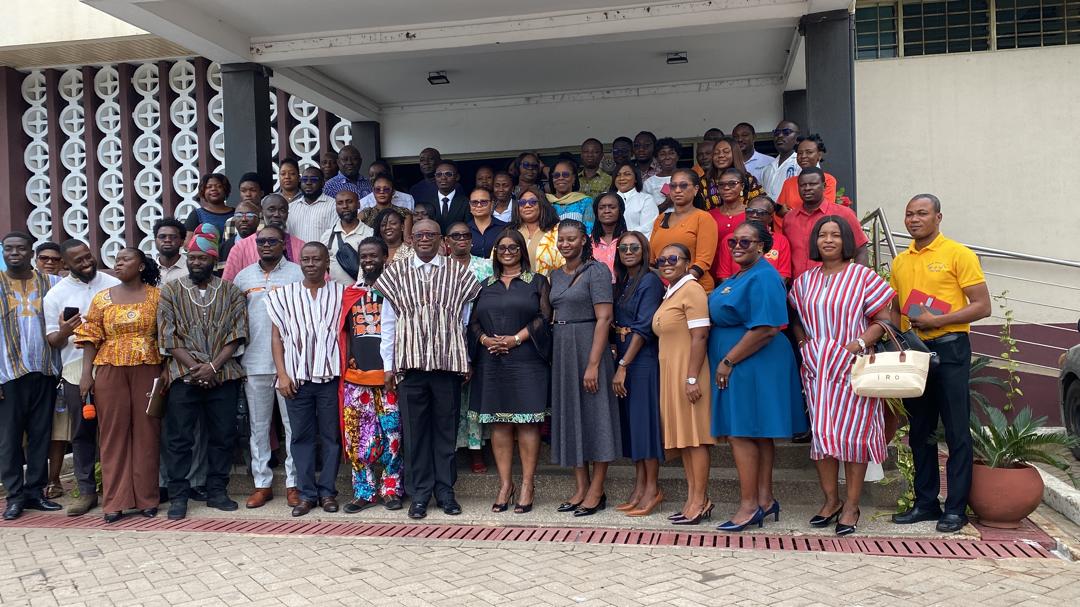
The proposed regulations were the focus of a high-level stakeholder consultative forum held this week, where regulators, industry operators and other stakeholders met to deliberate on measures aimed at standardising operations across the sector.
The engagement, organised in two separate sessions for operators within the industry, forms part of the GTA’s broader efforts to develop legislation that will govern the operation of event centres and multi-purpose facilities nationwide.
Speaking to journalists on the sidelines of the forum, the Director of Operations at the Ghana Tourism Authority, Mr. Ecko Samson, disclosed that the Authority is working with the Attorney-General’s Department to draft regulations that will establish clear legal guidelines for operators in the sector.
According to him, the regulations are intended to define the operational scope of event venues and multi-purpose establishments while outlining minimum standards that operators must comply with.
He explained that the framework will clearly stipulate what operators can and cannot do, with the ultimate goal of protecting patrons and enhancing the overall quality of services offered to both domestic and international tourists.
Mr. Samson said the initiative is part of the Authority’s long-term strategy to position Ghana as a competitive tourism destination by ensuring that businesses operate within well-defined regulatory standards.
”We want to build an industry that is sustainable, safe and globally competitive. That is why these regulations are important. They will provide clarity for operators while ensuring that visitors receive quality services in a safe environment,” he said.
He added that the Ghana Tourism Authority is collaborating closely with the Food and Drugs Authority (FDA) and the Ghana Standards Authority (GSA) to harmonise standards relating to health, safety and quality assurance within the hospitality and events industry.
According to him, the partnership among the three institutions is expected to strengthen regulatory oversight and ensure that establishments consistently comply with nationally approved standards.
Also speaking at the forum, the Deputy Director for Hospitality Quality Assurance at the Ghana Tourism Authority, Madam Ama Akoto, described the stakeholder engagement as a significant milestone in the Authority’s quest to improve quality assurance within the sector.
She expressed satisfaction with the level of participation by industry players, noting that their contributions would be instrumental in developing a comprehensive quality assurance document for the industry.
Madam Akoto explained that the document will serve as the official benchmark for regulating multi-purpose establishments and event management operations across the country.
”It will provide the minimum standards expected of operators and event management personnel while serving as a guide for regulators during inspections and compliance exercises,” she said.
She noted that involving stakeholders in the drafting process would ensure that the final document reflects industry realities while addressing operational challenges faced by businesses.
The Ghana Tourism Authority believes the consultative approach will lead to the development of practical regulations that enjoy broad industry support and improve compliance across the sector.
Once completed, the new regulatory framework is expected to strengthen consumer confidence, improve safety standards, enhance service delivery and reinforce Ghana’s reputation as a preferred tourism destination that meets international best practices in hospitality and event management.
The Authority says the initiative forms part of ongoing efforts to promote excellence, protect tourists and create a more resilient and sustainable tourism industry capable of supporting the country’s economic growth.
By Nana Kwakye Ababio