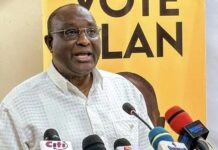

The President of the Ghana Institution of Engineering (GhIE), Ing. Ludwig Annang Hesse, has challenged assertions by the Minister of Finance, Dr Cassiel Ato Forson, that work is progressing on ongoing road projects across the country.
According to Ing. Hesse, several major road projects have remained stalled due to a lack of additional funding since 2024, despite being significantly advanced.
Speaking in reaction to the government’s budget presentation, he argued that although some projects are between 60 and 90 per cent complete, contractors have largely demobilised because outstanding payments have not been settled.
“When we had ongoing projects on the existing road network, most of them involved dualisation works. Since 2024, no additional funding has been committed to those projects, even though they are between 60 and 90 per cent complete,” he said.
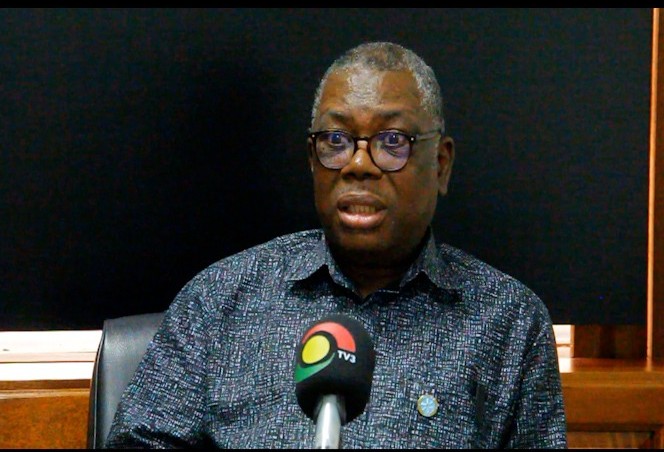
“There was no budget allocation for them in 2025 and there is none in 2026. Yet the government states that these projects are ongoing. In reality, they are at a standstill because contractors have not been paid and have therefore demobilised. The projects have not been terminated, but no work has been done on them for the past two years.”
Ing. Hesse also raised concern about the government’s commitment to environmental and technical assessment processes for major infrastructure projects.
He questioned why certain activities, including right-of-way clearance, were being undertaken before key studies and assessments had been completed.
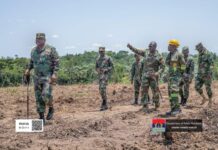
“One of the things the Minister said is that environmental impact assessments, feasibility studies, detailed designs and compensation assessments are all being undertaken in parallel, yet the right-of-way has already been cleared by about 70 per cent,” he noted.
“On what feasibility basis was the right-of-way cleared? On what compensation assessment and payment process was that done? Sometimes it appears we are putting the cart before the horse. If feasibility studies have not been completed, how are detailed designs being undertaken? The report suggests all these activities are happening simultaneously, while physical work is already progressing. It appears expediency is taking precedence over due process.”
The GhIE President also criticised procurement practices and what he described as shortcomings in the execution of road rehabilitation projects.
While acknowledging the government’s efforts to improve road infrastructure through rehabilitation initiatives, he stressed the need for strict adherence to established procedures and quality standards.
“The rehabilitation of roads and the Big Push initiative are positive developments. However, our concern as an institution is the way these projects are being implemented. Our concern is that many of these projects are proceeding without the necessary procedures being followed,” he said.
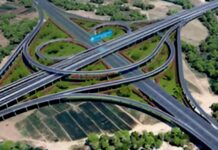
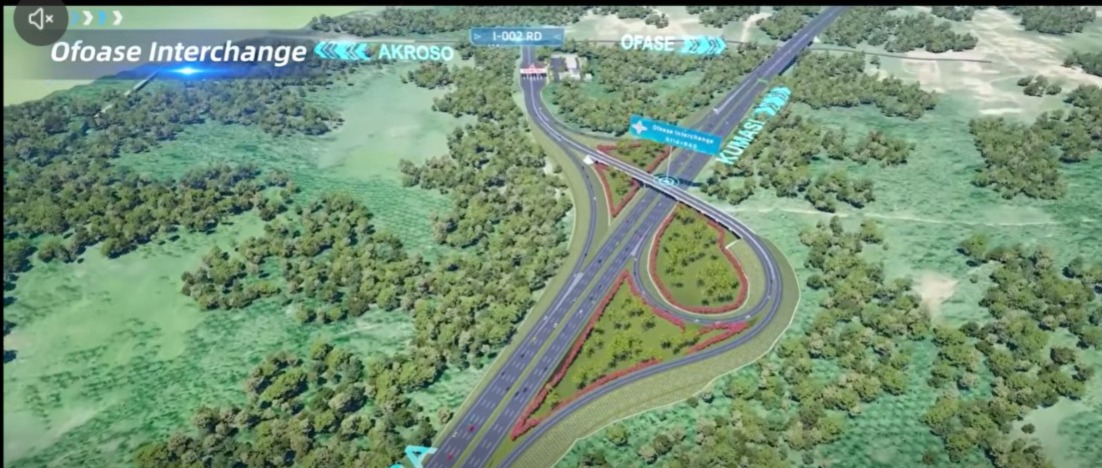
On financing, Ing. Hesse argued that the GH¢1.7 billion earmarked for the proposed Accra–Kumasi Expressway could have delivered more immediate benefits if part of the allocation had been channeled into existing road dualisation projects.
According to him, investing even half of that amount in ongoing projects could have accelerated the completion of critical sections of the country’s road network.
“The government has set aside GH¢1.7 billion for the expressway. If half of that amount had been invested in the existing road network, we could by now have achieved substantial completion of the dualisation works on the current carriageway, which would have served the nation significantly,” he said.
“Again, if comprehensive feasibility studies had been undertaken, we would be in a better position to determine whether fast-tracking the expressway is indeed the right decision.”
Ing. Hesse cautioned that without a coordinated and transparent approach to infrastructure development, Ghana risks spending billions of cedis without achieving the desired improvements in mobility, road safety and economic growth.
By Beatrice Sowah