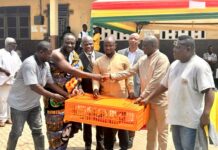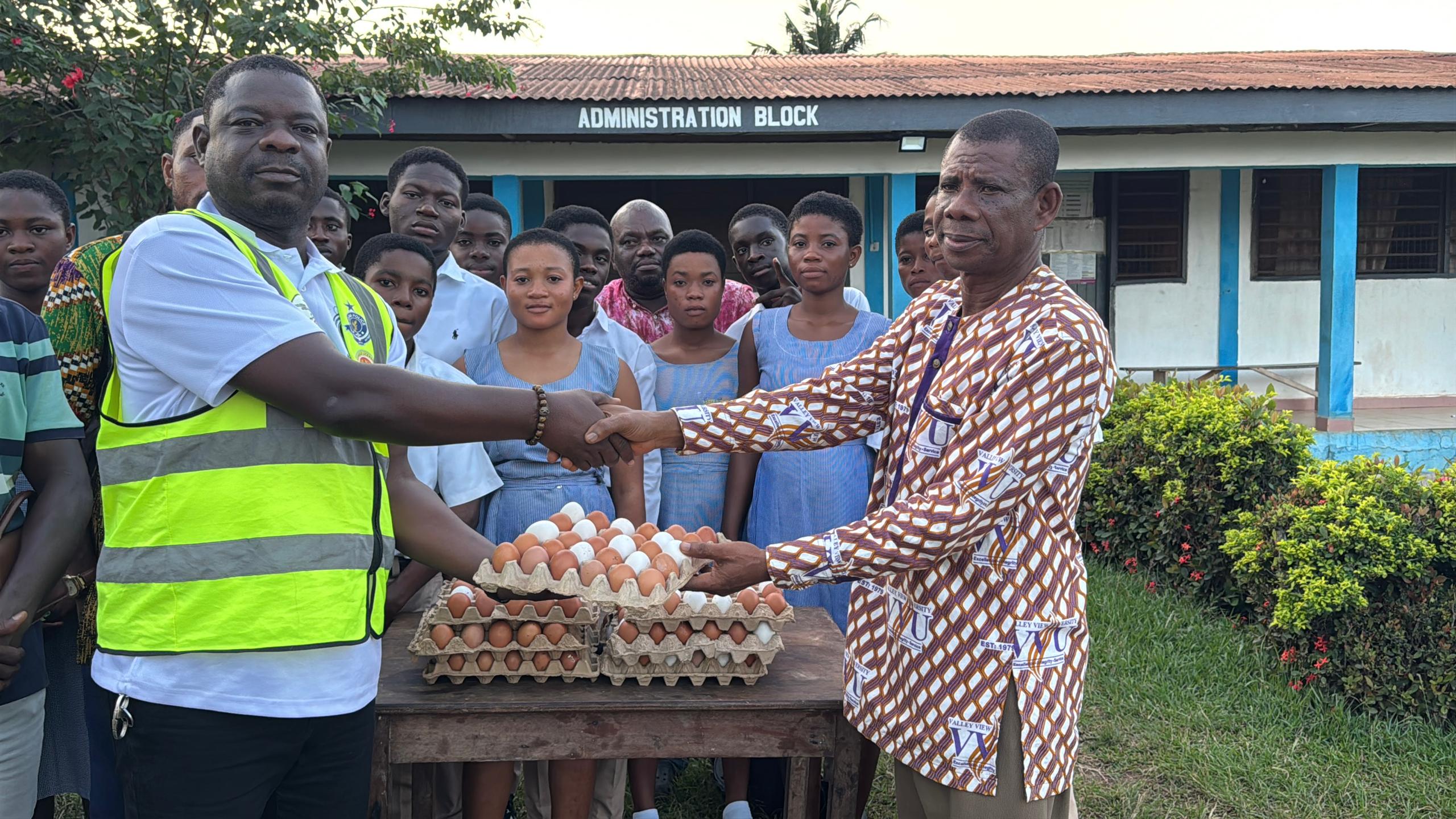

Government’s Nkokonkitinkiti Initiative under the Feed Ghana Programme has recorded a major milestone in the Suaman District of the Western North Region, with beneficiaries presenting the first batch of eggs produced under the initiative to Dadieso Senior High School to support its boarding feeding programme.
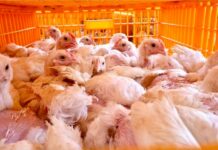
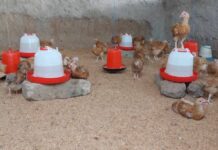
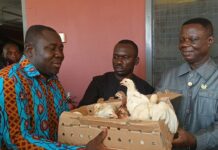
About ten crates of eggs were officially handed over through the Suaman District Assembly, marking the first tangible outcome of the poultry intervention, which saw 200 beneficiaries receive day-old chicks five months ago.
The development comes months after the Minister for Food and Agriculture, Eric Opoku, revealed that some beneficiaries in parts of the country had slaughtered and eaten the birds distributed under the programme, sparking public criticism over the initiative.
In Suaman, however, beneficiaries have nurtured the birds into productive layers, demonstrating what officials describe as the intended impact of the programme.
The beneficiaries, comprising farmer groups, religious organisations, institutions, traditional leaders and individuals, received both layer chicks and cockerels under the government’s drive to increase domestic poultry production and strengthen food security.
Among those celebrating the success is 45-year-old trader Juliana Coffie, who says the initiative has begun yielding results despite the high cost of poultry feed.
“I have collected about ten crates of eggs from my layers. The programme is beneficial, but feed is very expensive. We are presenting these eggs to the Assembly to show the progress we have made under the Nkokonkitinkiti Initiative. We appeal to the government to support us with affordable feed and expand the programme because it has great potential.” She stated.
Another beneficiary, Reverend Frederick Siane, Chairman of the Suaman Local Council of Churches and Pastor of the Assemblies of God Church, commended the government for introducing the initiative but said its long-term success would depend on reducing the cost of poultry production.
“This is a very good initiative, and we appreciate the government for introducing it. My humble appeal is for government to establish poultry feed production plants in the districts or regions. Feed is very costly, and if that burden is reduced, more people will participate and the programme will continue to expand.” He appealed.
Presenting the eggs to Dadieso Senior High School on behalf of the beneficiaries, the Suaman District Chief Executive, Vasco Obour, described the presentation as evidence that the pilot phase of the programme is achieving its objectives.
He disclosed that all beneficiaries underwent training in poultry management before receiving the birds to ensure proper care and improve productivity.
“This is the first consignment of eggs from the beneficiaries, and it clearly shows that the programme is working. We are continuing to educate the public and encourage more people to come on board because we believe the government will fully roll out the initiative. As participation increases, Ghana will produce more eggs, reduce imports and eventually create opportunities for exports.” he revealed.
Mr. Obour added that the Assembly would continue public education and provide the necessary support to ensure the intervention remains sustainable.
Receiving the eggs, the Headmaster of Dadieso Senior High School, Michael Akyea Kumi, described the presentation as timely, saying it would ease the school’s feeding budget.
“This initiative is a welcome intervention because the school has been buying eggs from the open market. If we receive about ten crates every week, it will reduce our expenditure on eggs and allow us to redirect those resources to other essential food items for our students.” He stated.
He appealed to the government to increase the number of birds allocated to the school under the next phase of the programme.
“The initiative is already making a positive impact. Like Oliver Twist, we are asking for more. We hope the government will expand the programme and allocate more birds to Dadieso Senior High School.” He appealed.
While beneficiaries are celebrating the programme’s early success, they maintain that establishing poultry feed production plants at the district or regional level will be critical to sustaining the initiative, reducing production costs and enabling more farmers to participate.
The first batch of eggs from Suaman’s Nkokonkitinkiti beneficiaries not only marks an important milestone for the Feed Ghana Programme but also demonstrates how targeted agricultural interventions can support school feeding, improve household incomes and strengthen Ghana’s poultry industry when backed by sustained investment.
By Portia Cudjoe