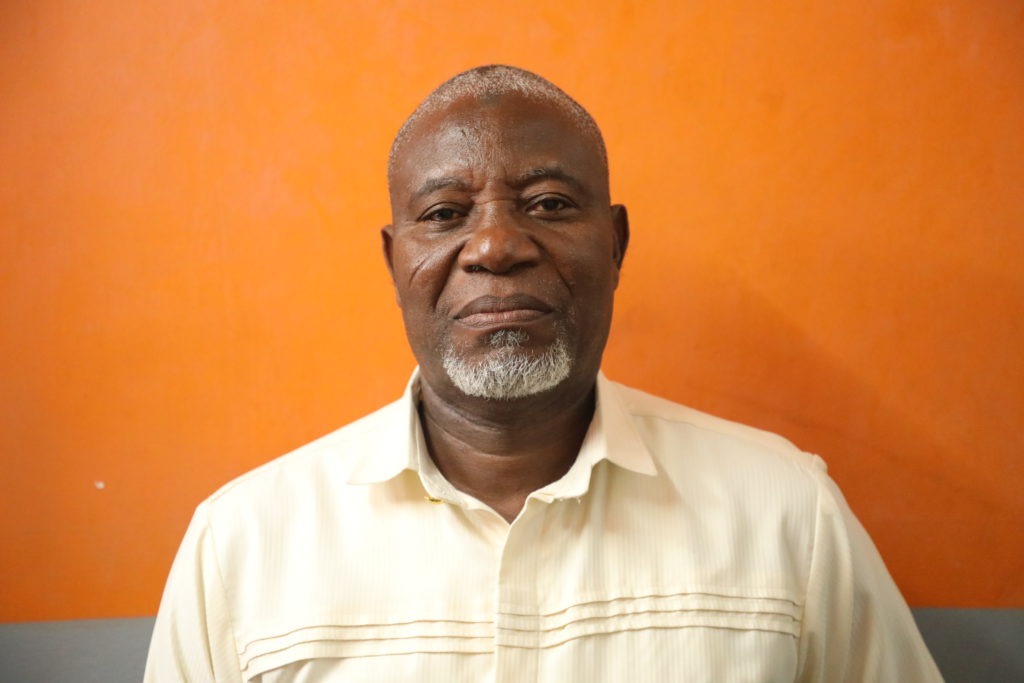

Former Chairman of Parliament’s Select Committee on Mines and Energy, Amadu Bukari Sorogho, has defended the committee’s handling of the controversial AKSA power plant agreement, insisting that Parliament relied on technical assessments provided by the relevant government institutions.
According to him, once a report was submitted by the government to Parliament, the Speaker referred the matter to the appropriate committee for consideration.
He says the Mines and Energy Committee, which had 18 members drawn from both the Majority and Minority sides, invited technical experts and other stakeholders to assist its deliberations.
“A technical committee has nothing to do with Parliament. It has nothing to do with MPs.”
“We relied on the technical people,” he stressed.
Mr. Sorogho says the committee depended heavily on the technical experts who assessed the plant and provided reports to Parliament.
He says members of the committee were not technical experts themselves and therefore relied on the professionals who were tasked with conducting the technical assessment.
He says the experts were responsible for the detailed assessment of the plant, while Parliament’s role was to consider the information and make a determination based on the material presented to it.
Mr. Sorogho confirmed that the parliamentary committee considered and approved the agreement within a day but defended the speed of the process on the grounds that Ghana was facing an emergency power situation at the time.
He argues that an emergency situation required Parliament to act quickly and that the committee could not necessarily spend weeks or months deliberating on the matter.
“We were in an emergency. We did our work.”
He insists that the committee did what it was required to do under the circumstances.
Mr. Sorogho says the committee considered the technical report, invited relevant persons to provide information and subsequently submitted its report to the plenary for further consideration.
He says the committee’s report was not itself binding on Parliament because members of the full House could make additional contributions before the agreement was ultimately ratified.
The former committee chairman was however pressed on whether completing the review within one day allowed sufficient time for proper scrutiny.
He maintained that the emergency circumstances justified the timeline.
According to him, the quality of parliamentary scrutiny does not necessarily depend on how long a committee takes, but on the clarity of the information provided and the expertise available to the committee.
“It depends upon the clarity and the people around helping us.”
He therefore maintains that, based on the information available to the committee at the time, members did what they were expected to do.
Mr. Sorogho has strongly denied receiving any money in connection with the power agreement.
His denial follows allegations surrounding payments allegedly made to Members of Parliament involved in the consideration of the deal.
He says he did not know the individual at the centre of the allegations and insists that nobody approached him with money.
“I never received any money from anybody.”
Mr. Sorogho says he can only speak for himself and cannot determine whether any other member of the committee received money without their knowledge.
However, he says he believes strongly that the members of the committee did not take money to influence the outcome of the transaction.
He argues that even if an individual MP received money, that person would not have been able to unilaterally impose a decision on the entire committee.
“You cannot come and impose your ideas on the entire committee.”
Mr. Sorogho acknowledged that ACEP had raised concerns about the cost of the power arrangement during the period when Parliament was considering the agreement.
He recalled ACEP raising questions about the cost per kilowatt associated with the deal.
However, he says Parliament was not equipped to independently conduct the technical calculations because the technical assessments had already been undertaken by professionals tasked with examining the plant.
According to him, the technical team was sent to Turkey, prepared its report and submitted the findings for consideration.
“A report is generated, brought to us and, in the emergency, this was the time.”
He says the parliamentary committee relied on the limited information and time available to it.
Despite the revelations that have emerged from the United States and the conviction of former TOR Managing Director Asante Berko, Mr. Sorogho says he still believes the committee did a good job based on the circumstances at the time.
He acknowledges that, with hindsight, there may have been areas where the process could have been better.
“Now, there could have been a better way.”
But he insists that the committee acted within the circumstances it faced and that he personally did not receive any payment.
He says he is prepared to cooperate with any investigation by the Office of the Special Prosecutor or other authorities.
“If OSP invites me tomorrow, I’m ready to come.”
“I would never sell Ghana”
Mr. Sorogho says he is deeply concerned about allegations that could damage his reputation and insists he would never compromise Ghana’s interests for money.
He says he has built a reputation over the years and is prepared to defend it before any investigative body.
“I would never, never sell Ghana because of this.”
He is urging the public to allow investigations to conclude before drawing conclusions about individuals who have been named or linked to the transaction.
Mr. Sorogho says he is ready to appear before investigators, provide information and assist authorities in establishing exactly what happened.
“I am ever ready. Invite me, I’m ready to appear and assist them.”
By Christabel Success Treve