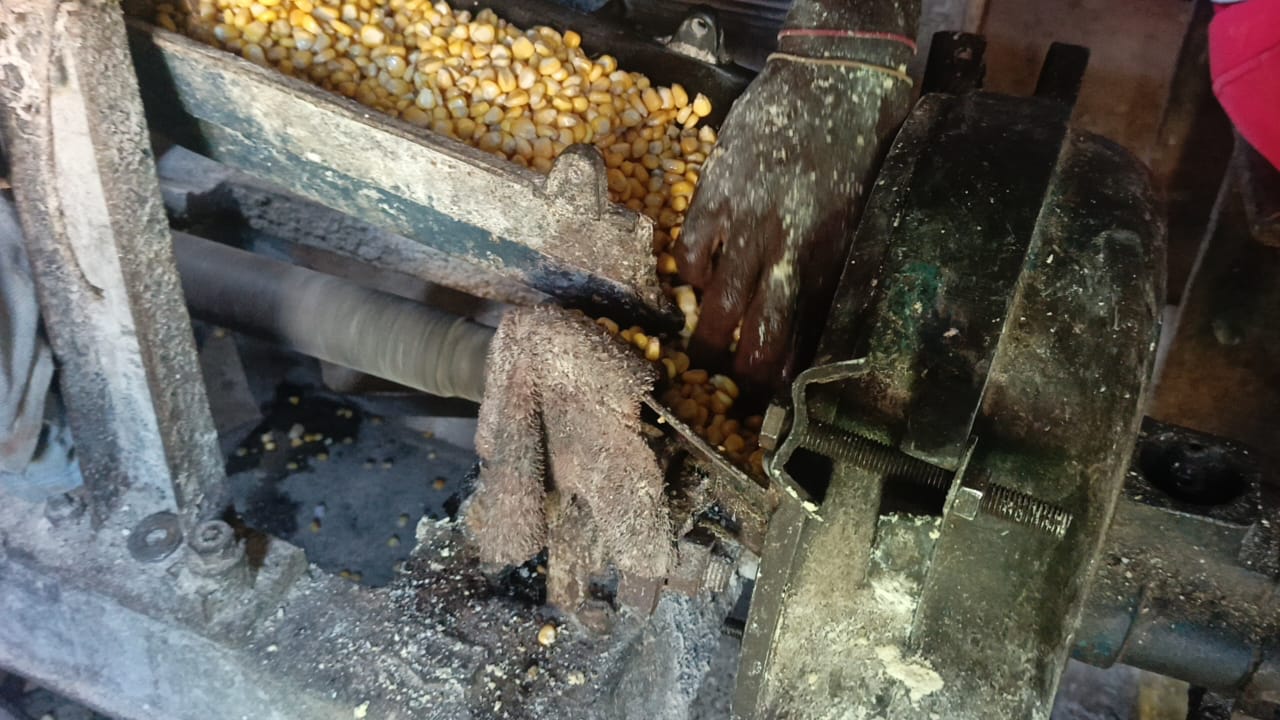

An Agricultural Engineer has warned that some locally fabricated agro-processing machines, including fufu pounding machines and corn mills, could be exposing consumers to bacterial contamination due to poor fabrication practices and lack of standards.
Ing. Prof. Francis Kumi, Head of the Department of Agricultural Engineering at the University of Cape Coast (UCC), says many locally fabricated machines are produced without clear standards for materials, performance, safety and hygiene.

In an an exclusive interview with Onua TV, Ing. Kumi, while commending Ghanaian fabricators for supporting agriculture and food processing with grinding mills, decorticators, multi-crop threshers and other innovations, said functionality alone is not enough.
According to him, a properly designed food-processing machine must be safe for the operator, suitable for food contact, easy to clean, and durable.
He noted that in some cases, fabricators use mild steel and galvanised steel for food-contact surfaces without considering their suitability, leading to corrosion, deterioration of coatings and possible food contamination.
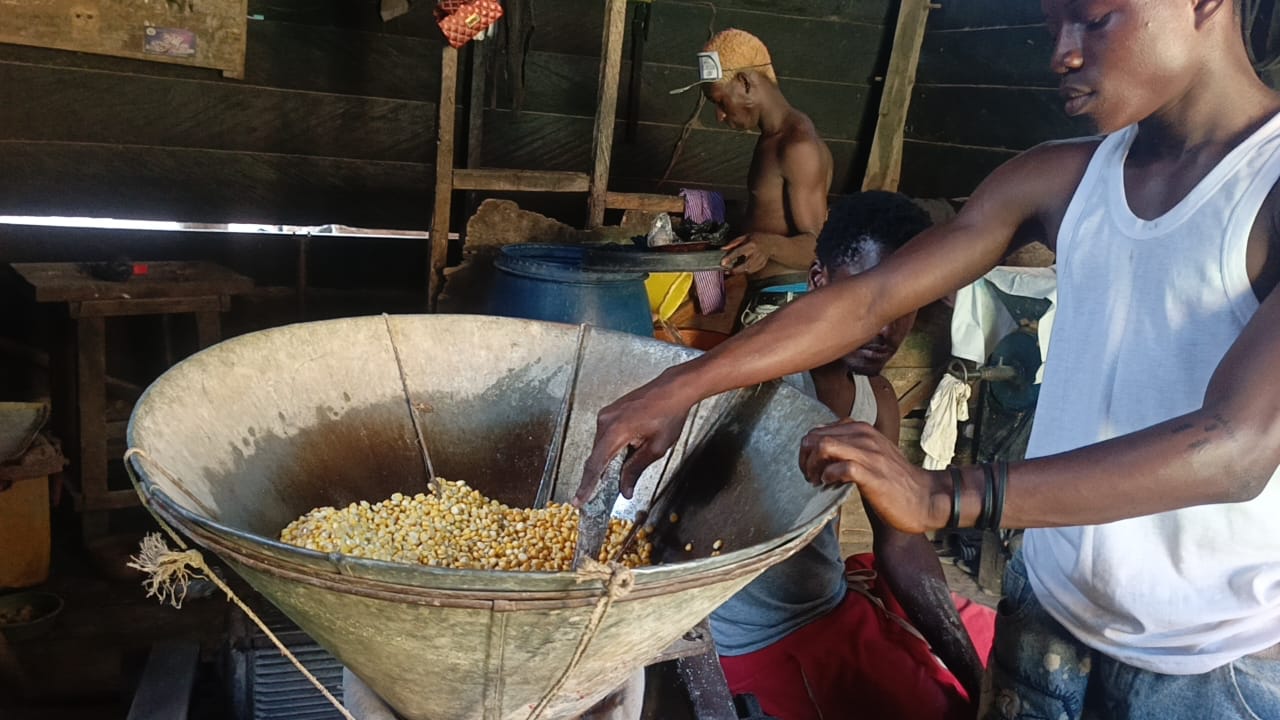
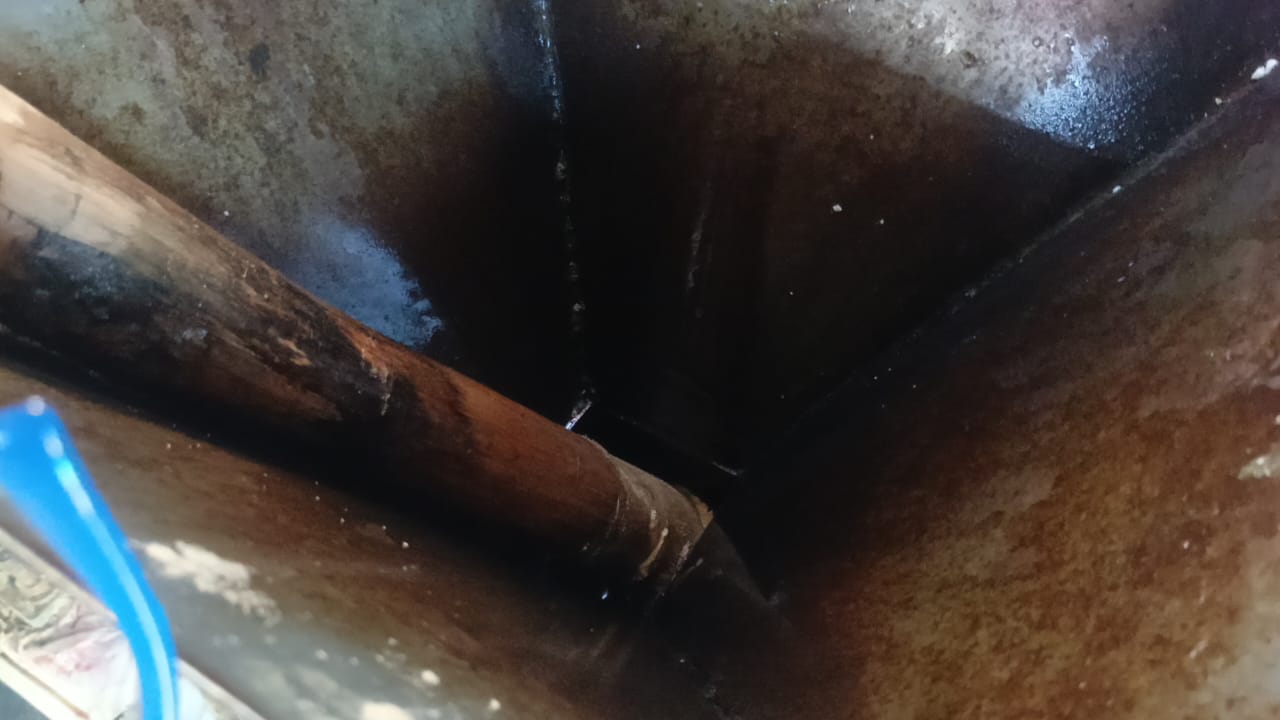
“Poor fabrication practices can also create hygiene problems. Rough welds, cracks, inaccessible corners and poorly finished surfaces may trap food residues and make effective cleaning difficult. Such conditions can encourage microbial contamination and compromise food safety,” he stated.
The expert also pointed to confusion in the naming and classification of machines, citing the so-called “fufu pounding machine” which in reality grinds and kneads, as well as serious safety risks from exposed belts, pulleys, chains and rotating shafts that can cause injuries.
In the medium term, the engineer is advocating for the establishment of a National Centre for Agro-Machinery Research, Testing and Certification to provide independent testing infrastructure, validate performance claims and help transition local fabrication from informal craftsmanship to a recognised competitive manufacturing subsector.
Prof. Kumi is calling for stronger collaboration among the Ghana Standards Authority, Food and Drugs Authority, Ministry of Food and Agriculture, universities, research institutions and professional engineering bodies to develop and enforce practical standards for commonly used agro-machinery, drawing on international frameworks.
For local manufacturers, he said standardisation should not mean producing the same machine, but agreeing on minimum requirements for quality, safety, hygiene and performance, with independent testing and certification serving as a mark of credibility and market access.
By Timothy Kwame Kakraba Gaison