
Land along communities earmarked for the proposed Kumasi Expressway is fast becoming a hot commodity, with prices reportedly rising sharply as anticipation grows over the economic opportunities the project could bring.
Residents and landowners in some of the communities along the proposed route say parcels of land that previously sold for about GH¢10,000 are now being valued at between GH¢50,000 and GH¢100,000, depending on the location and size.
The surge in land values is being attributed largely to growing expectations that the proposed expressway will improve connectivity, open up previously difficult-to-access communities and stimulate commercial activity.
A visit by TV3 to communities along the proposed route also found that, beyond the approximately 175 kilometres of the main corridor that have been cleared, several access roads within some communities have received attention as part of the military’s ongoing engineering operations.
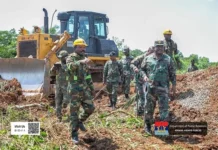
It is a few minutes past 6 a.m. at Ofoase in the Ashanti Region. While many residents are beginning their day, engineers from the 48 Engineer Regiment are still at work.
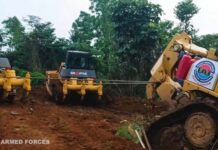
Having worked through the night, the soldiers are excavating sections of the terrain and wrapping up clearing operations as they approach the completion of their assignment.
For the past 19 weeks, the regimental engineers have worked across challenging terrain, cutting through rocky sections, waterlogged areas, thick vegetation and farmlands to clear the route for the proposed Kumasi Expressway.
The exercise has required personnel to work for extended hours, often under difficult conditions, to ensure that the designated corridor is cleared.
From Ablekuma, Ashalaja, Danso and Asikasu through Asamankese, Asene, Oda, Ofoase, Kwaso and Sewua, communities along the route are beginning to experience changes in their daily economic activities.
Residents say improved access has already made movement easier, with farmers, traders and other businesses beginning to take advantage of the opening up of the area.
For farmers, easier access means better prospects of transporting produce from farms to markets.
Traders also say the improved road network within some communities is making it easier for customers and suppliers to move in and out.
At Asikasu, residents say the military’s presence has gone beyond clearing the main expressway corridor. Several inner roads in the community have also received attention, making movement easier for residents.
Residents further say the presence of the military engineers has contributed to a reduction in incidents of stealing and armed robbery along some sections of the communities.
They attribute this partly to the increased presence and visibility of security personnel in the area during the clearing exercise.
For some residents, however, the scale of the proposed expressway remains difficult to comprehend.
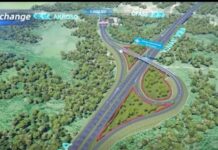
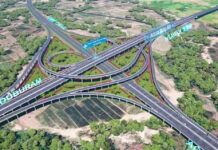
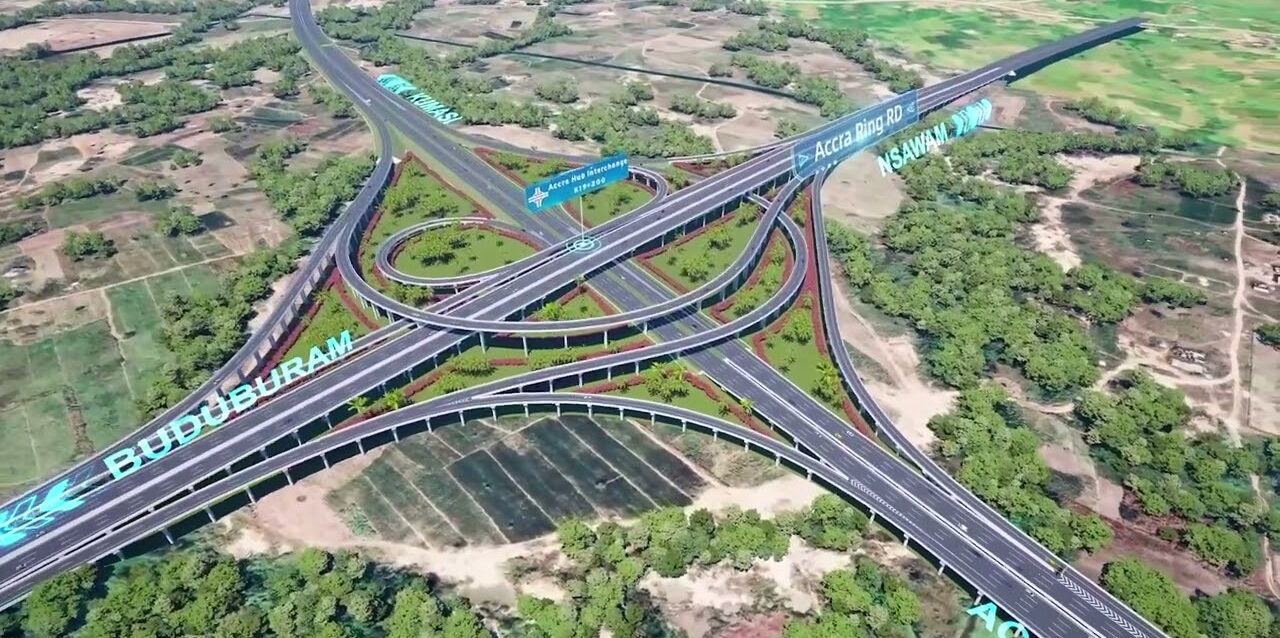
The extent of the cleared corridor and the machinery deployed by the military have given residents a clearer picture of the size of the infrastructure project being planned.
Many residents believe the expressway could fundamentally change the economic fortunes of communities along its route if the main construction phase begins as expected.
They anticipate increased property development, new businesses, improved transportation and greater access to markets and social services.
The project has also affected some farmlands along the proposed route.
Farmers whose farms and properties have been affected say they have received compensation for the losses.
According to some of the affected farmers, the compensation paid ranged between GH¢70,000 and GH¢150,000, depending on the size and nature of the farms affected.
While some affected residents have welcomed the compensation, their bigger concern now is the completion of the road itself.
They say the economic benefits expected from the project will only become fully evident when the expressway is constructed and opened to traffic.
As the military engineers bring their clearing exercise to an end, residents are already looking ahead to the next phase of the project.
They want the contractors who will eventually be awarded the main road construction contract to maintain the momentum demonstrated by the 48 Engineers Regiment.
For the communities along the route, the clearing of the corridor is only the beginning.
Residents say they do not want a situation where the cleared route remains unused for an extended period without the actual construction of the expressway commencing.
They believe a completed Kumasi Expressway would significantly improve connectivity between communities, reduce travel difficulties and create opportunities for businesses and farmers.
The expectation is also that the project will trigger further investment in housing, commerce and other economic activities along the corridor.
For communities that have for years struggled with poor access roads, residents say the completion of the expressway could mark a major turning point.
They are therefore calling for a smooth transition from the military-led clearing exercise to the actual construction phase.
For them, the message is clear: the clearing of the 175-kilometre corridor must not be the end of the journey.
They want the next phase to begin without delay and the proposed expressway completed to unlock the full economic potential of the communities along its route.
Accra-Kumasi Expressway to have its own tolling system – Roads Minister