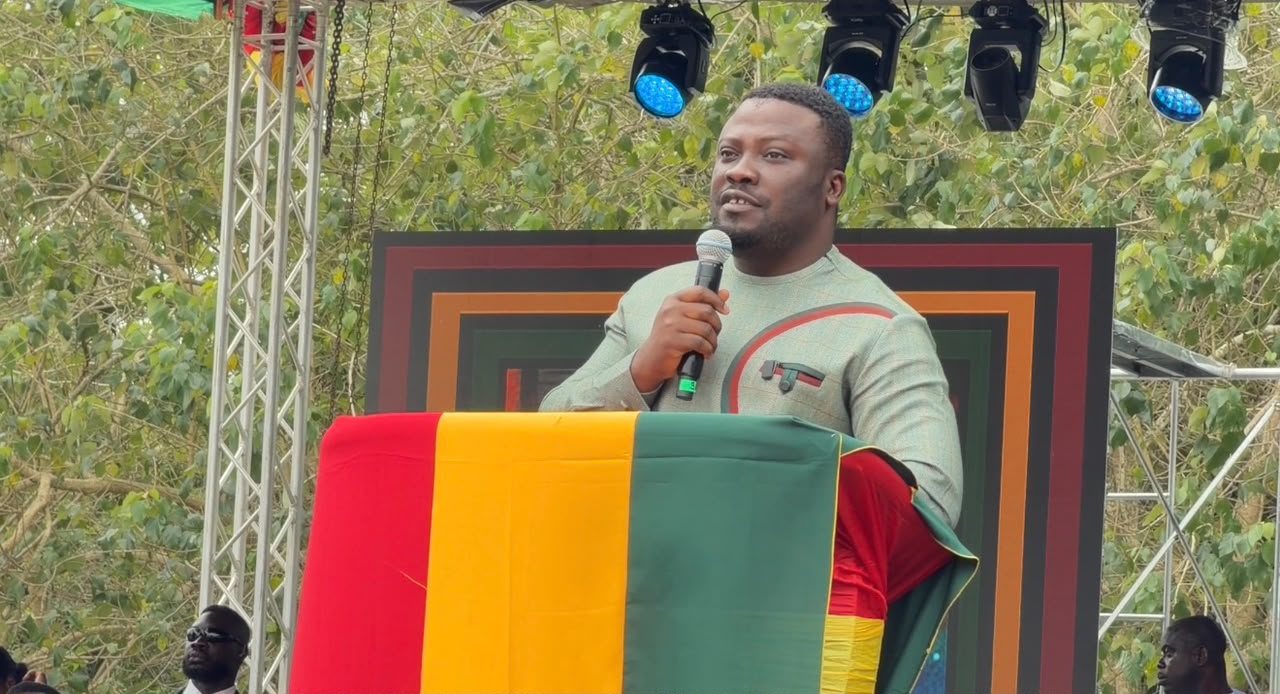

Ashanti Regional Minister, Dr. Frank Amoakohene, has called for the ideals of Ghana’s first President, Osagyefo Dr. Kwame Nkrumah, to be deliberately passed on to the younger generation, stressing that Nkrumah’s legacy must remain a living national and African conversation.
Speaking at the 2026 NkrumahFest at Nkroful in the Ellembelle district of the Western region, held under the theme “Nkrumah @ 117: Celebrating His Enduring Legacy – Africa Must Unite or Perish,” Dr. Amoakohene said Nkrumah should not be remembered merely as a historical figure but as an enduring idea centred on freedom, dignity, self-determination, development and African unity.
He said the annual festival provides an important platform to reconnect younger generations with the vision and values of the late Ghanaian leader.
Dr. Amoakohene recounted an informal interaction he had with some young people on his way to the event, where he asked what they knew or remembered about Dr. Nkrumah.
According to him, while some described Nkrumah as a visionary and selfless leader who fought for Ghana’s independence, others remembered his commitment to African unity and his belief in Africa’s capacity to manage its own affairs.
However, one response that particularly caught his attention was from a young person who said he knew about Nkrumah only through books.
For Dr. Amoakohene, the responses highlight the responsibility of the current generation to ensure that Nkrumah’s ideas remain accessible and relevant to young people.
“Nkrumah did not merely become a leader who remained in our history books. Nkrumah remains as an idea an idea about freedom, an idea about dignity, an idea about self-determination, an idea about development, an idea about education and industrialisation, and an idea about African unity,” he said.
The Ashanti Regional Minister noted that Nkrumah understood that political independence was only one part of Africa’s broader struggle, explaining that his vision extended beyond Ghana’s borders to the political and economic advancement of the continent.
He said although national borders define individual African states, they should not prevent countries from pursuing shared interests, responsibilities and aspirations.
Dr. Amoakohene challenged the present generation to move beyond the achievement of political freedom and focus on creating opportunities, prosperity and a better future for Africans.
“Dr. Kwame Nkrumah’s generation gave us the courage to imagine freedom. It’s our responsibility as a new generation to make sure that we have the courage to imagine prosperity,” he said.
Dr. Amoakohene also announced the readiness of the Ashanti region to host a future edition of NkrumahFest, describing the move as part of efforts to expand the celebration beyond Nkroful and make it a national and continental platform.
He said Nkrumah was born on the soil of Nkroful but eventually became a national icon and continental symbol, arguing that the festival celebrating his legacy should similarly travel across Ghana and Africa.
“The Ashanti Region is ready to welcome NkrumahFest. The Ashanti Region stands ready to host any future edition of NkrumahFest,” he declared.
He extended the invitation to the Minister of Lands and Natural Resources and Convener of NkrumahFest, Emmanuel Armah-Kofi Buah, and the organisers of the festival, expressing the hope that the initiative would eventually be nationalised and extended across the African continent.
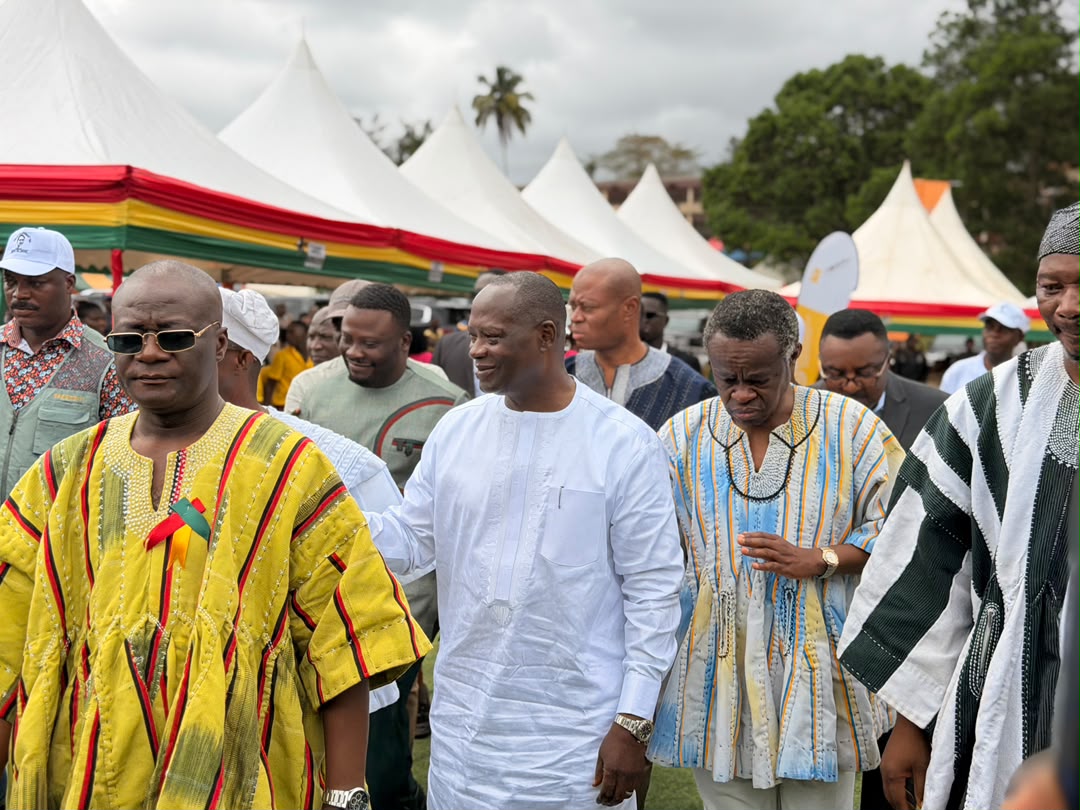
In his closing remarks, Dr. Amoakohene drew a distinction between the responsibility of Nkrumah’s generation and that of today’s generation.
“The generation of Nkrumah fought for independence, and our generation must fight for development. We must fight for opportunity, we must fight for justice, dignity and prosperity.”
He called for the continued preservation of the history and legacy of Dr. Nkrumah, while urging Ghanaians and Africans to contribute to the vision of a peaceful, united and prosperous continent.
“Indeed, Nkrumah never dies,” Dr. Amoakohene said.
Nkrumah’s legacy transcends partisan politics — Matthew Opoku Prempeh
By Ebenezer Atiemo