
Western Regional Minister Joseph Nelson has directed the Tarkwa-Nsuaem Municipal Assembly to immediately begin work on new toilet and bathroom facilities at Benso Senior High Technical School, after describing conditions at the nearly 35-year-old school as “challenging and depressing.”
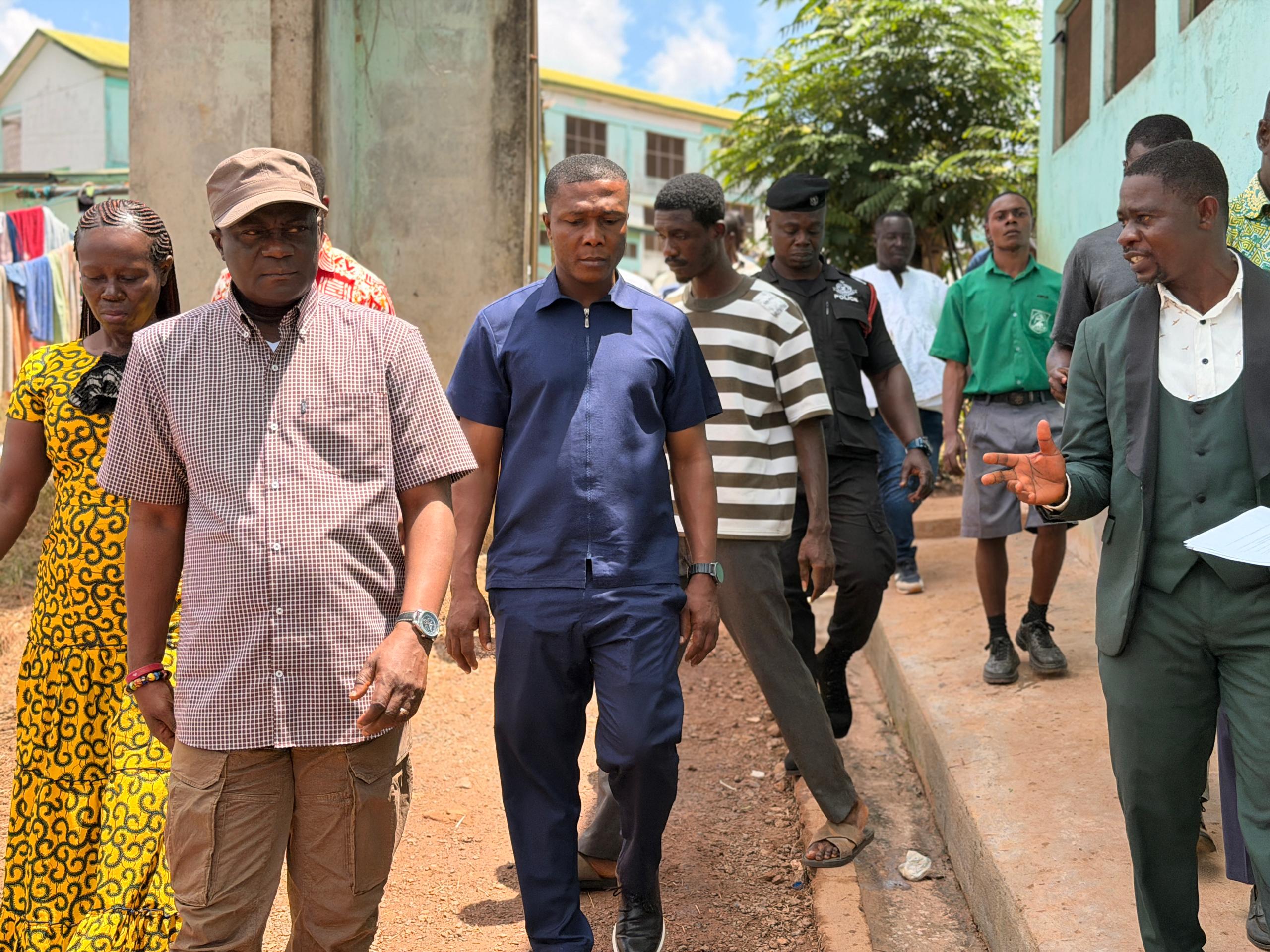
Mr Nelson gave the directive on Thursday, October 1, 2026, after touring the school’s dormitories, sanitation facilities, laboratories and technical workshops and being briefed by school authorities on the institution’s infrastructure challenges.
He also said he would engage the Ghana Education Trust Fund (GETFund) over some of the school’s infrastructure needs, including staff accommodation, while seeking support from corporate organisations in the Western Region.
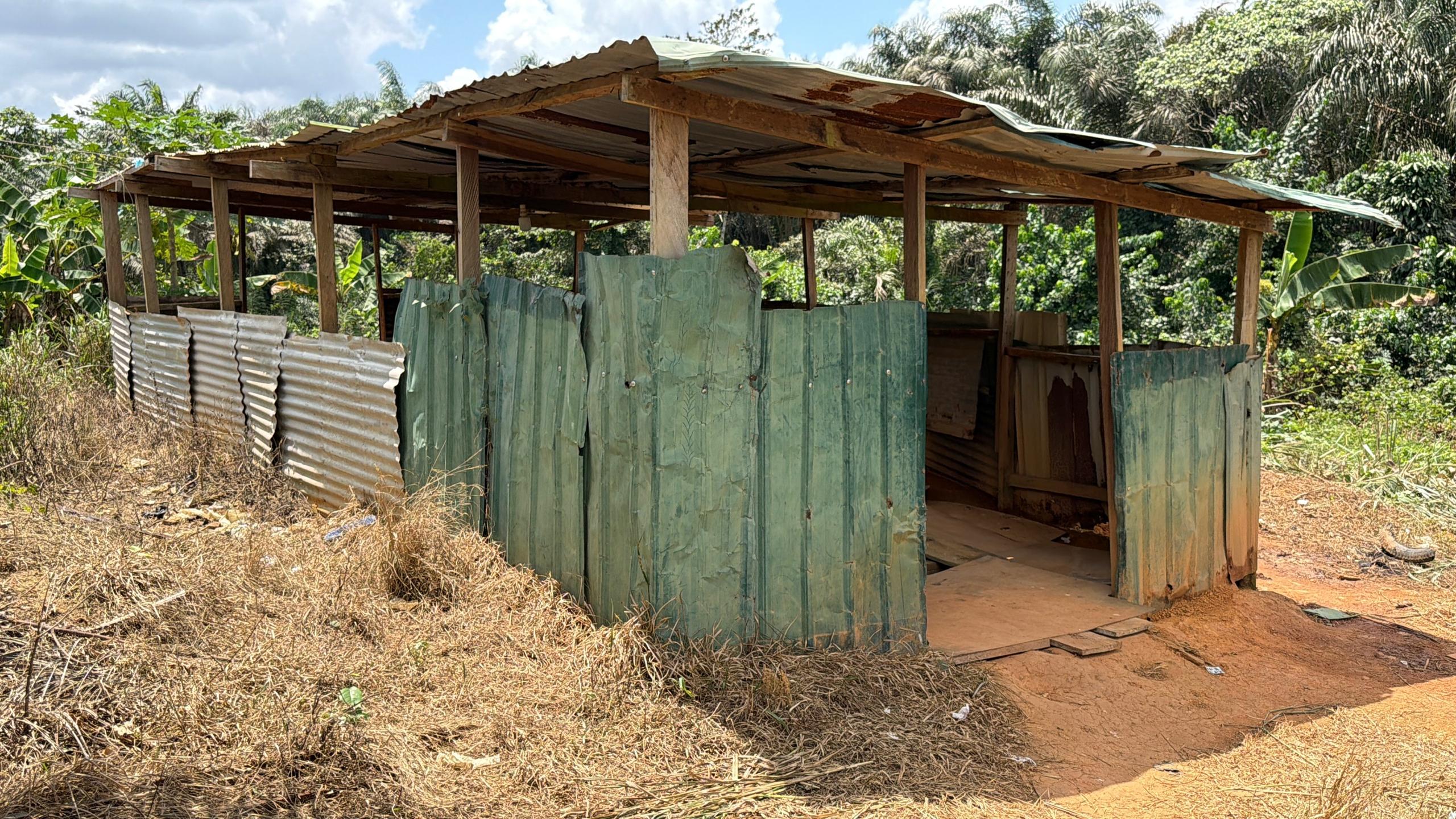
The intervention follows concerns over inadequate toilet and bathroom facilities, overcrowded accommodation, poor laboratory infrastructure, a dysfunctional school bus and inadequate staff accommodation at the school, which has more than 650 students.
Mr Nelson specifically directed the Municipal Assembly to construct a facility combining toilet and bathroom facilities for female students, who currently have to walk from their dormitory to a separate bathroom facility.
He said the existing conditions were unacceptable and could discourage parents from enrolling their children at the school.
“Going round and observing the situation here, I can say that you are confronted with a very challenging and depressing situation on this campus,” Mr Nelson said.
Beyond the immediate sanitation intervention, the Regional Minister said he would engage GETFund to address some of the school’s larger infrastructure challenges.
He also intends to approach corporate organisations in the region, including Benso Oil Palm Plantation, which is located close to the school, to support its development.
“I’m also going to engage some of the corporate bodies in the region,” he said. “I’m going to engage them and others to see how they can come to your aid.”
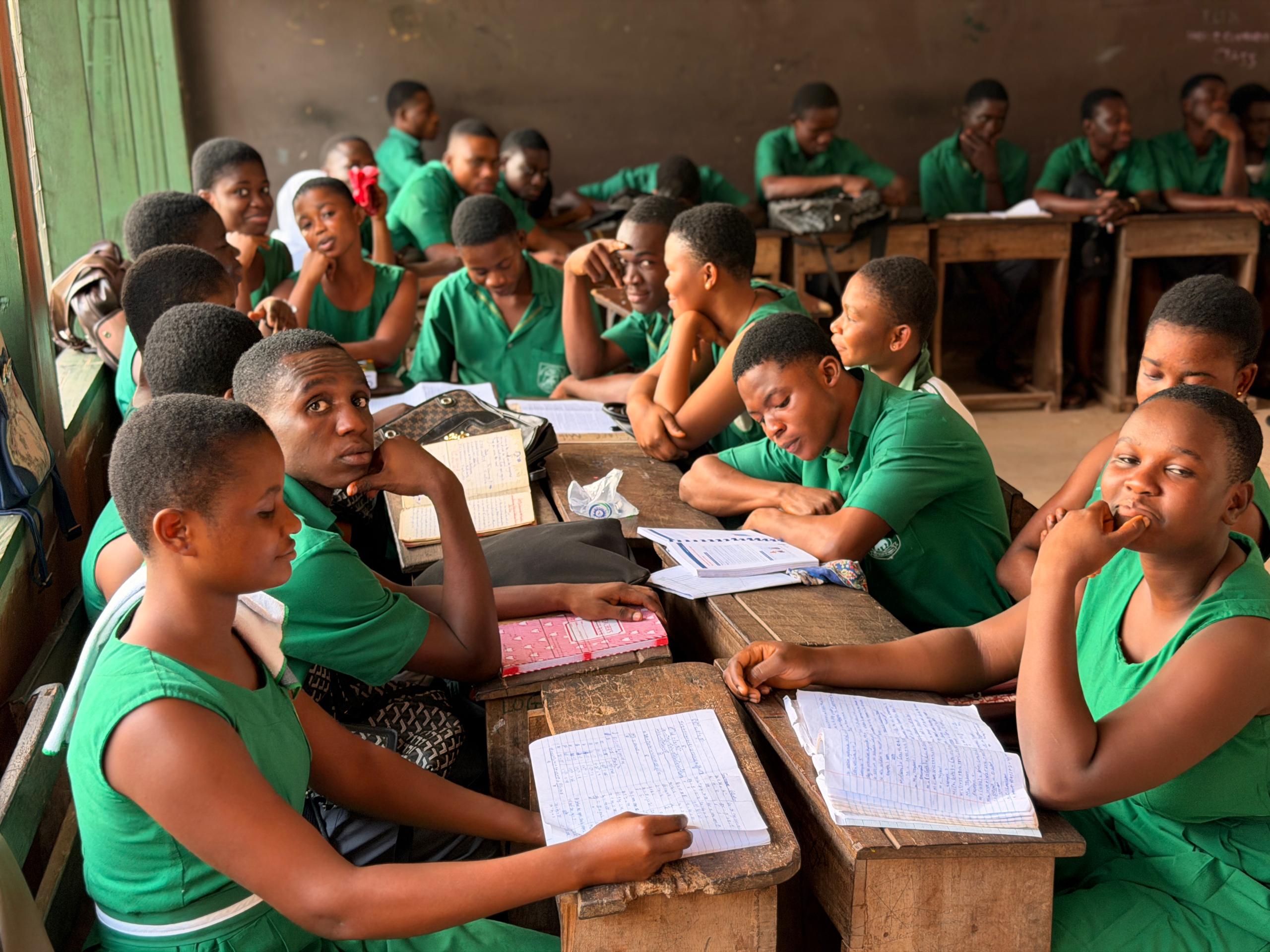
School authorities had earlier outlined several challenges facing the institution, including inadequate staff accommodation, dormitories, classrooms, laboratories, a dining hall and kitchen, as well as the absence of a functioning school bus.
Despite the infrastructure challenges, Benso SHS Technical continues to record notable academic results.
School authorities told the Minister that a student from the school emerged as the best female WASSCE candidate in the Tarkwa Municipality in 2025.
They also said several students are performing strongly ahead of the 2026 WASSCE, with some recording between five and six A1s.
Mr Nelson said he was particularly encouraged by the performance of students in Chemistry despite the condition of the school’s laboratory.
He urged the students not to allow the poor facilities to affect their academic performance.
“The lamentations are over. You can’t be here and still lament about the situation. Focus. Focus on your education,” he told them.
He said students would sit the same WASSCE examinations as their counterparts in better-resourced schools and urged them to make the most of the opportunities available to them.
Benso SHS Technical was established in 1991 and currently has more than 650 students.
According to school authorities, about 99 per cent of the students are boarders because of the school’s location.
The school has 38 teaching staff and 11 non-teaching staff, but several subjects have limited teaching personnel.
Authorities have also raised concerns about the state of the boys’ dormitory, which is a converted classroom, the overcrowded dining hall, inadequate practical laboratories and poor access roads linking the school to Tarkwa and Sekondi-Takoradi.
The school’s only 15-seater bus, donated about 15 years ago by AngloGold Ashanti, has reportedly been out of service for several months.
The school says the lack of reliable transport has created difficulties during medical emergencies and educational activities.
Mr Nelson said he would follow the school’s progress and expressed his intention to return next year to assess developments.
“I’m going to be particularly interested in how this school makes progress as long as I continue… I stay here as the Regional Minister,” he said.
For now, the first response will focus on the facilities identified as most urgent, beginning with sanitation for the students.
By Ebenezer Atiemo