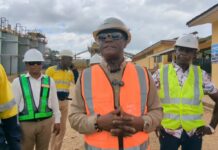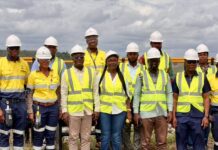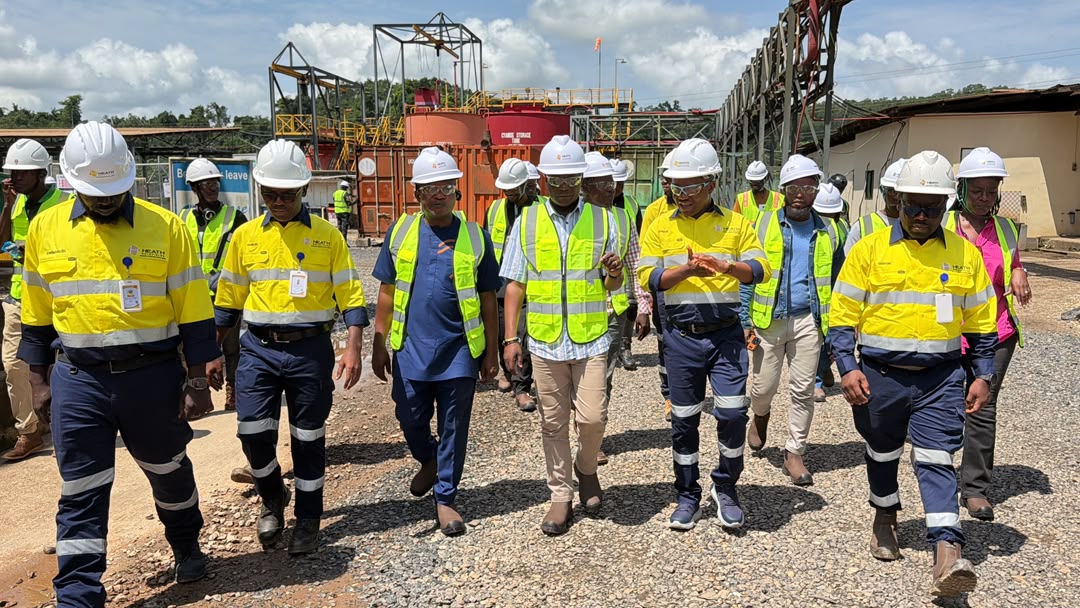

The Western Regional Minister, Joseph Nelson, has paid a courtesy visit to Heath Goldfields to witness firsthand the significant operational improvements at the mine, just one year after the company took over the previously distressed asset.
The visit, which followed a series of engagements last year regarding the welfare of workers and community agitations, was described by the Minister as a “refreshing” experience that gives hope for the future of mining in the region.
Addressing management and stakeholders, Mr Nelson recounted his initial visits to the site last year, describing the situation then as “very depressing.”
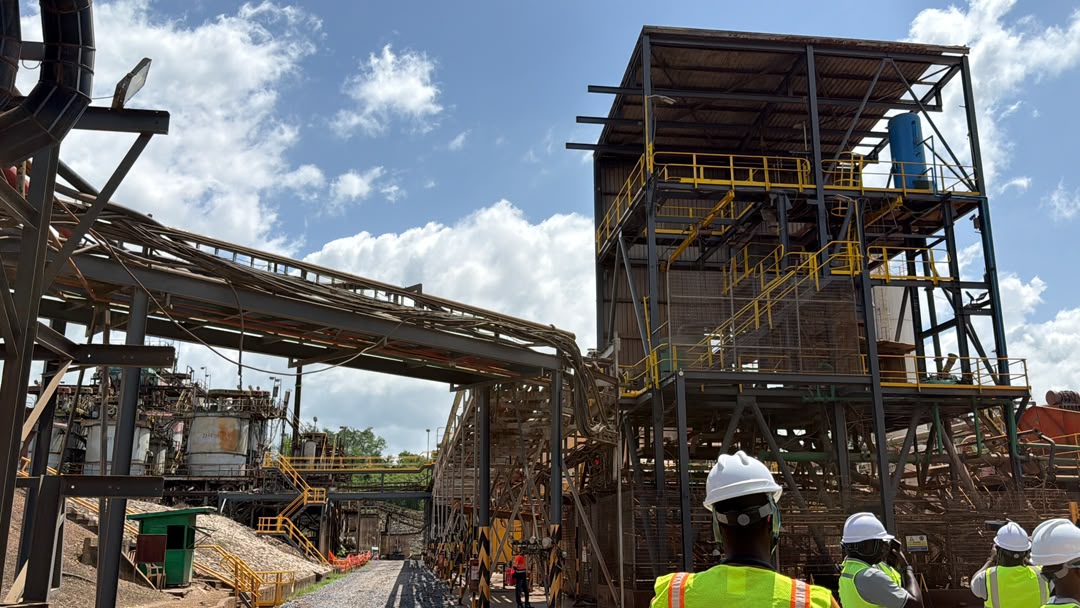
“Last year, I came here a couple of times. It culminated in some agitations by workers who had not been paid,” the Minister recalled. “I got depressed myself when I was taken around your premises. Mining has been a key part of the local economy for over 100 years, so anytime it goes down, it has a repelling effect on the economy of this place.”
Mr Nelson noted that his second visit, accompanied by the Minister for Lands and Natural Resources, was to assess the dire situation. However, he expressed satisfaction with the current state of affairs.
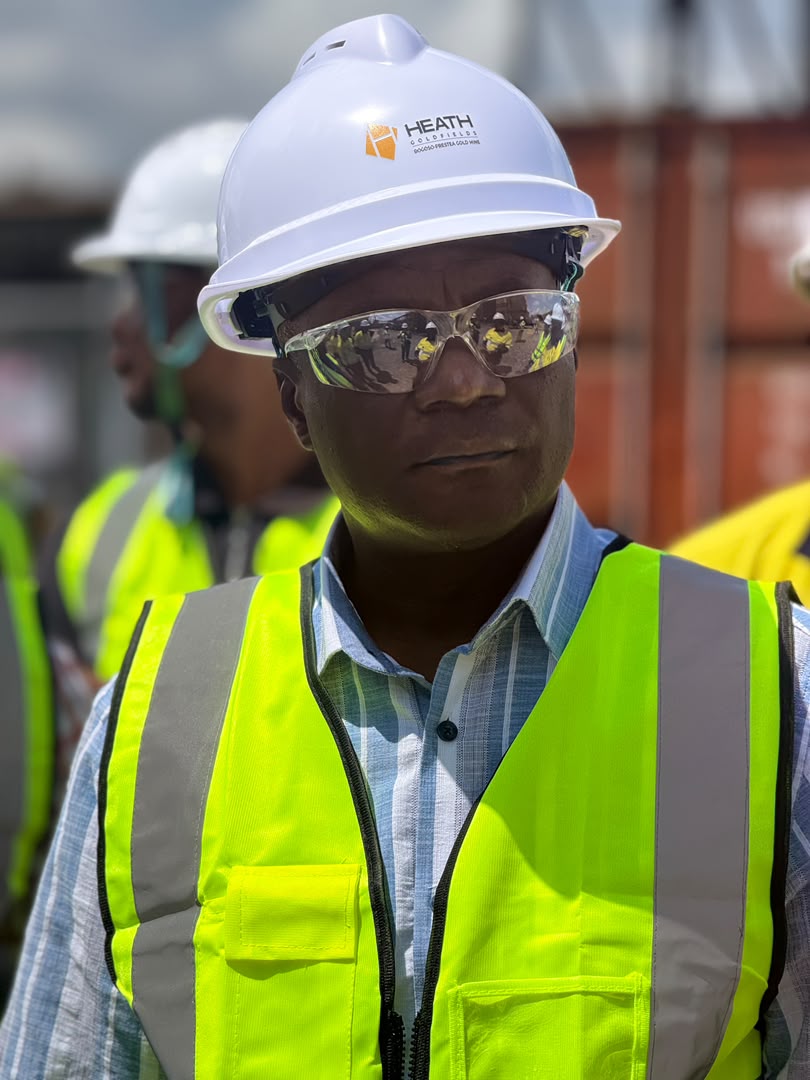
“But thank God that today, we are seeing a different picture. A picture that gives hope… a picture that is refreshing for all of us who saw the situation there,” he stated. “The progress that you’ve made is one that gives hope. I’m very hopeful that next year, God willing, we tell the story even better than what we are seeing here and now.”
The Regional Minister lauded the company for its commitment to local content, noting the confidence inspired by the current management team, which is largely made up of Ghanaians.
“The cry over the years has been about the benefits that we, as local people, have not really derived from the resources in our communities,” Mr Nelson said. “I thank God that things are changing. It is refreshing that you are committing to invest in the communities aside from the jobs that local people are getting.”
He also highlighted the company’s investment in underground mining, a move he believes will be a “game changer” for the region, especially as most surrounding companies focus on surface mining.
Speaking at the event, the Managing Director of Heath Goldfields, Patrick Appia Mensah, outlined the company’s substantial economic impact within just one year of operation.
“So far, we have spent $65 million [USD] as of yesterday’s exchange rates. That is about 763 million in local procurement,” Mr Appia Mensah revealed. “Out of that, $25.1 million, which is about 292 million [Ghana Cedis], is procurement from the local catchment area: Bogoso, Prestea, Bondai, Simpa, Yiadwom, and Dampo.”
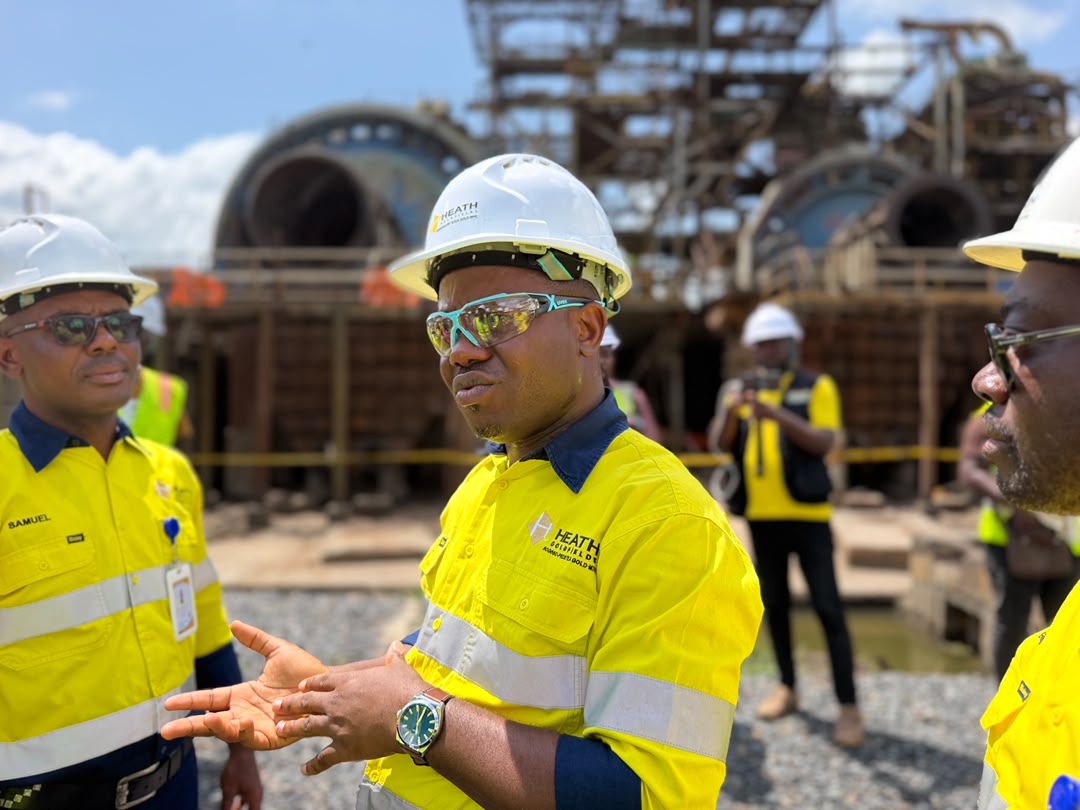
The MD explained that the company plans to operate for the next 15 years, and if this level of investment continues, it will significantly enrich the lives of the people in the operational area. He detailed that the procurement included mining support services, fuel supply, and purchases from the rest of Ghana, emphasising the company’s values of integrity and transparency.
Mr Appia Mensah also announced a $20 million investment plan for community development projects focused on education, healthcare, infrastructure, and enterprise development.
“We went to the community, we did a lot of public fora, and they told us what they need,” he said, explaining the participatory approach taken to ensure the projects are accepted.
Furthermore, the MD unveiled an ambitious agricultural strategy aimed at sustainability. The company plans to utilise reclaimed mining areas for oil palm plantations. Currently, there are 12,000 hectares of oil palm plantation on the concession.
“We are investing to put up an oil mill, so that we’ll take this oil palm, process it into red oil… We are renaming [the affiliate company] and aligning that with our strategy, which is what we call Heath Agrifields,” he explained.
Mr Appia Mensah stated that Heath Goldfields aims to be a catalyst for transformation in the region, leaving a legacy of sustainable development long after mining operations cease.
“We want to be here for a long time, and we want to leave a good legacy. So that one day, when we are no longer here, people will say there were people that came here and then unlocked this mine,” he concluded.
By Ebenezer Atiemo