
Western Regional Minister, Joseph Nelson has urged management of Sankofa Gold Mine at Prestea to sustain production and explore new opportunities to strengthen the financial sustainability of the state-owned mining company.
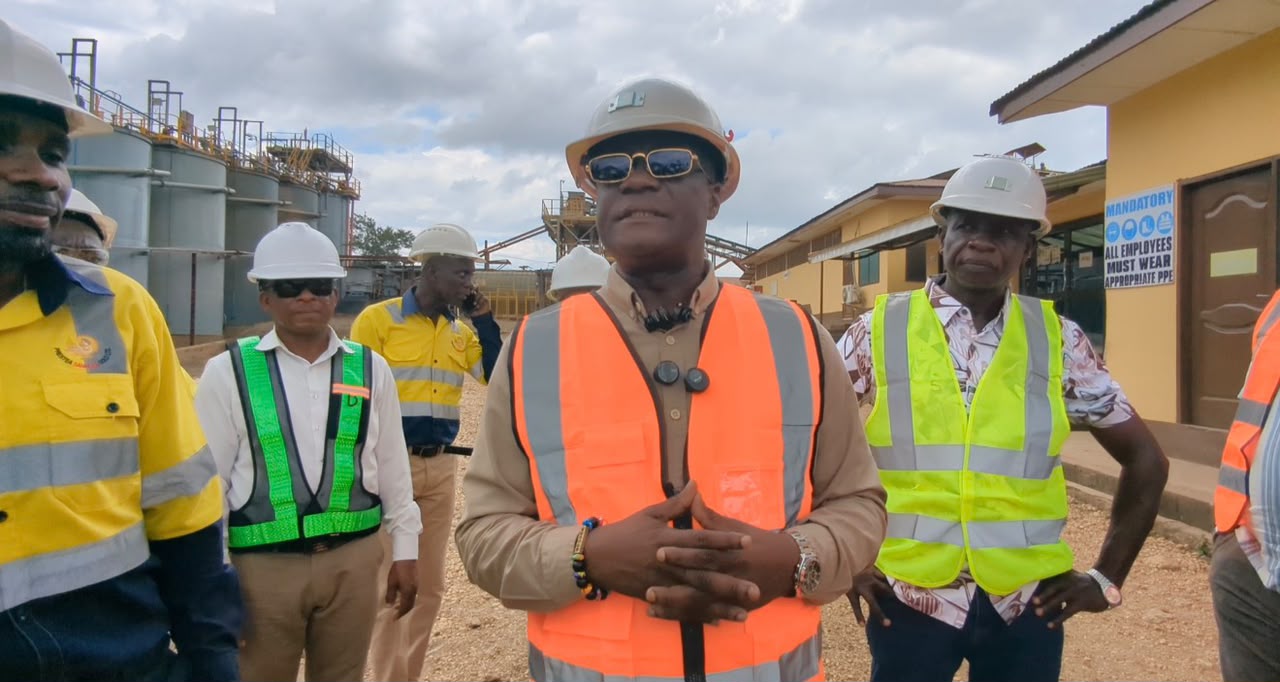
Mr Nelson made the call on Wednesday, October 7, 2026, when he paid a working visit to the mine, a wholly government-owned company under the Ghana National Petroleum Corporation (GNPC).
The visit included an inspection of the processing plant and tailings facilities, where the Minister assessed progress in efforts to restore and strengthen operations.
According to Mr Nelson, the resumption of operations after about nine months of inactivity was encouraging, but he said management must ensure that the plant remains operational and avoids unnecessary disruptions.
“We don’t want to hear of a situation where the plant is down again for any other reason apart from maintenance,” he said.

He also encouraged management to take advantage of Ghana’s renewed focus on maximising value from its gold resources, particularly opportunities associated with GoldBod.
Nelson said increased gold production by Sankofa would strengthen the company while contributing to employment, government revenue and economic development.
“Once you’re able to up your game, it means that you’re producing more gold, adding more to what GoldBod is able to purchase, and of course, then you are contributing more to the stability and development of this country,” he stated.
The Minister welcomed plans by management to diversify the company’s operations to improve its long-term sustainability.
He also expressed optimism that a new board would complement the work of management and staff, following challenges under the previous board.
Mr Nelson said lessons from the company’s recent difficulties should guide the new leadership and help prevent a return to operational instability.
“Sankofa must tell a good story, even a better story, going forward,” he said.
Meanwhile, Managing Director of Sankofa Gold Mine, Alhaji Ishaq Dauda, disclosed that the mine’s existing tailings facility has only about three months of remaining deposition capacity, making the completion of a new facility critical to sustained operations.
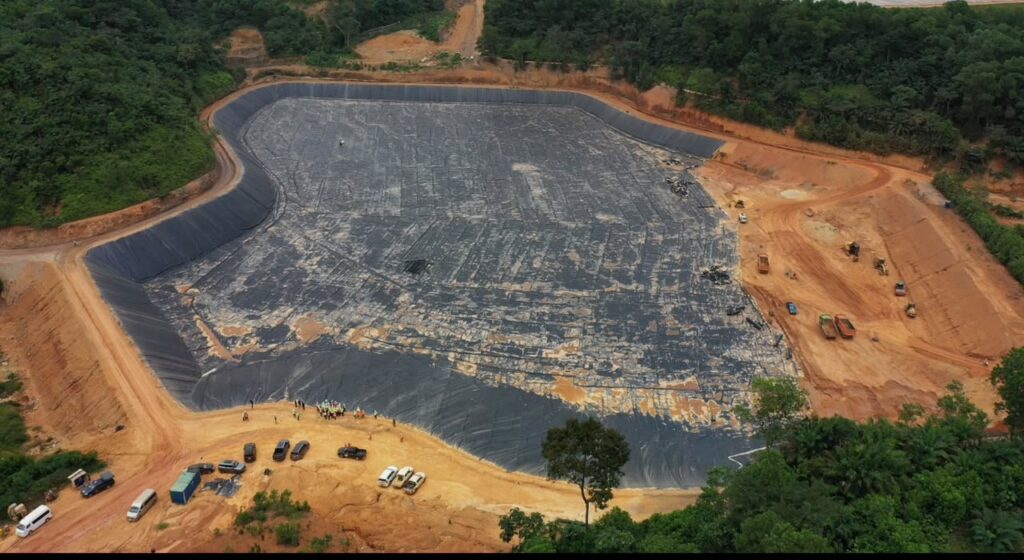
The new TSF2 facility, which is being funded entirely from Sankofa’s internal resources, is about 80 percent complete.
Civil works are expected to be completed by the end of October, with commissioning targeted for December.
“If we don’t complete this one in three months, it means that we may have to shut down again, which we don’t want to,” Alhaji Dauda said.
The project, which began in May 2025, has faced delays due to regulatory requirements, engagements with traditional authorities and heavier-than-expected rainfall.
Alhaji Dauda said the Minerals Commission and the Environmental Protection Agency (EPA) also required the company to construct a one-kilometre covered drainage system to divert the Subri River and protect the environment.
He said management was working day and night to meet the December target but would not compromise regulatory standards.
“We are not in a haste to complete, but rather, we are in a haste to do the right thing to complete,” he said.
Alhaji Dauda further disclosed that Sankofa had invested about GH¢6 million to refurbish its processing tanks and approximately US$440,000 to raise and extend the walls of the existing tailings facility.
He said the refurbishment was necessary because some of the plant’s equipment had been in operation for several years.
Completion of TSF2, he added, would remove a major operational constraint and allow the mine to operate closer to its full production capacity.
According to him, Sankofa has also engaged about 150 community youths through its graduate trainee and casual employment programmes, with further expansion expected to create additional jobs.
By Ebenezer Atiemo