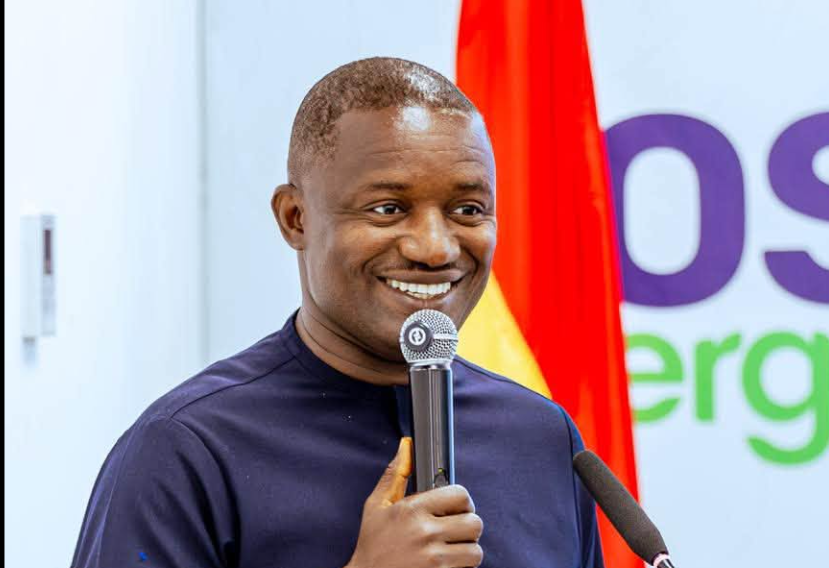

The Minister of Energy and Green Transition, Dr John Jinapor, has urged the general public not to go close to fuel tanker accident scenes.
He warned of the dangers of getting close to the scene, saying that it can cause fatalities.
“I also make a special appeal. When a fuel tanker is involved in an accident, please do not gather to collect spilt fuel.
What looks like an opportunity can become a tragedy in seconds. Keep away, call the emergency services, and let trained personnel handle it.
“To our security agencies and emergency services, I ask you to deepen your coordination with the NPA, so that siphoning, tanker accidents and fires are prevented, and the response is swift when something goes wrong.
“These simple decisions save money, prevent accidents and protect lives,” he said in a statement read on his behalf during the National Petroleum Authority’s (NPA) Consumer Week celebration last week.
For his part, the CEO of the National Petroleum Authority (NPA), Godwin Edudzi Tameklo warned that persons who siphon fuel the accident scenes are thieves and can be sentenced to 20 years in prison by the court if they are caught.
He recalled that in February this year, the Corporate Affairs Directorate, in collaboration with the Consumer Services Directorate, launched the Stay Back, Stay Safe campaign.
This campaign was introduced in response to a dangerous practice that continues to threaten lives along our roads, he said.
“When a fuel tanker overturns, some people rush to the scene with gallons, buckets and other containers to collect spilled petroleum products. In doing so, they expose themselves and others to the risk of fire, explosions, serious injuries and death.
“We have seen the tragic consequences of such incidents. Lives have been lost, families have been devastated, and communities have suffered because people underestimated the dangers associated with spilt fuel. Our message has therefore been clear and consistent: no amount of fuel is worth a human life.”
“When a fuel tanker is involved in an accident, and you go and fetch fuel, you are a thief; you can go a maximum of 20 years in prison if you are caught,” he said.
Mr Tameklo added that when a tanker overturns, members of the public must stay away from the scene.
They must alert the Ghana National Fire Service and the Police and allow trained emergency personnel to secure the area and manage the incident, he said.
“We have carried this message through radio and television engagements, social media campaigns, community interactions and visits to lorry parks along major highways.
“However, our work does not end with public education. We will continue to work with relevant institutions and industry operators to promote safer practices and strengthen public awareness of petroleum-related emergencies,” he said.