
Over 2,000 residents of the Wassa East District are now living with disabilities amid fears that the Subri River that sustains them may be leaving some blind.
For communities along the Subri River in the Wassa East District of the Western Region, this river is life. For drinking, bathing, and farming.
But now, it is at the centre of fear, fear of losing sight.
The Director of Social Welfare and Community Development, Augustina Adenyo-Leddy, says visual impairment and blindness are among disabilities confronting residents, contributing to what she calls a high disability rate.
As of February 2026, more than 2,000 residents had been recorded as persons living with disabilities.
“Some residents who previously had their sight have reportedly become visually impaired… we suspect there may be a connection to the Subri River. They need urgent help.”
Residents say they once could see. Now they can’t. And many point to the river. The link has not been scientifically proven, but the fear is real.
“Some of them were able-bodied, but later became visually impaired because of the river or the water they use in their communities,” she said.
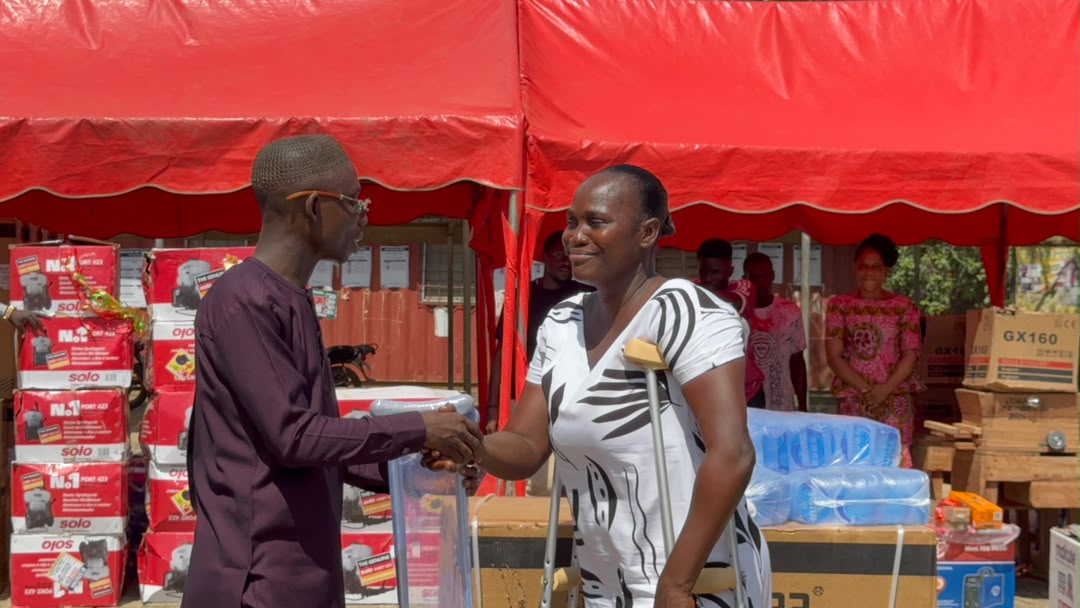
Mrs Adenyo-Leddy made the appeal during distribution of support items to persons living with disabilities, calling for water treatment facilities and safe water projects to protect residents from water-related health risks.
“We call on all government agencies and government bodies to come to our aid. If it is water processing or water treatment they can provide, they should support our communities with water projects so that our members can also have a healthy lifestyle,” she appealed.
District Chief Executive, Alhassan Ibrahim, says the Assembly is concerned and will work with the Health Directorate to find the cause and strengthen preventive healthcare.
“If it is from an accident, then it’s avoidable. If it’s a disease, then we have a way of managing it through the Health Directorate. Together, we can fight it,” he said.
He says previous screening and medication in riverine communities helped.
He then encouraged residents to patronise the Free Primary Healthcare initiative to promote early detection and prevention of diseases.
For Mrs Adenyo-Leddy, it’s about prevention – ensuring residents are not left vulnerable to preventable blindness. She wants investigations, safe water, and sustained healthcare.
By Portia Cudjoe