
Companies operating under Ghana’s Free Zones scheme are calling for a review of the policy to allow firms that have completed their ten-year tax holiday to sell more of their products on the local market at competitive prices.
The companies argue that continuing restrictions on domestic sales are undermining their competitiveness, despite their transition to paying corporate taxes and, in some cases, import duties on raw materials and spare parts.
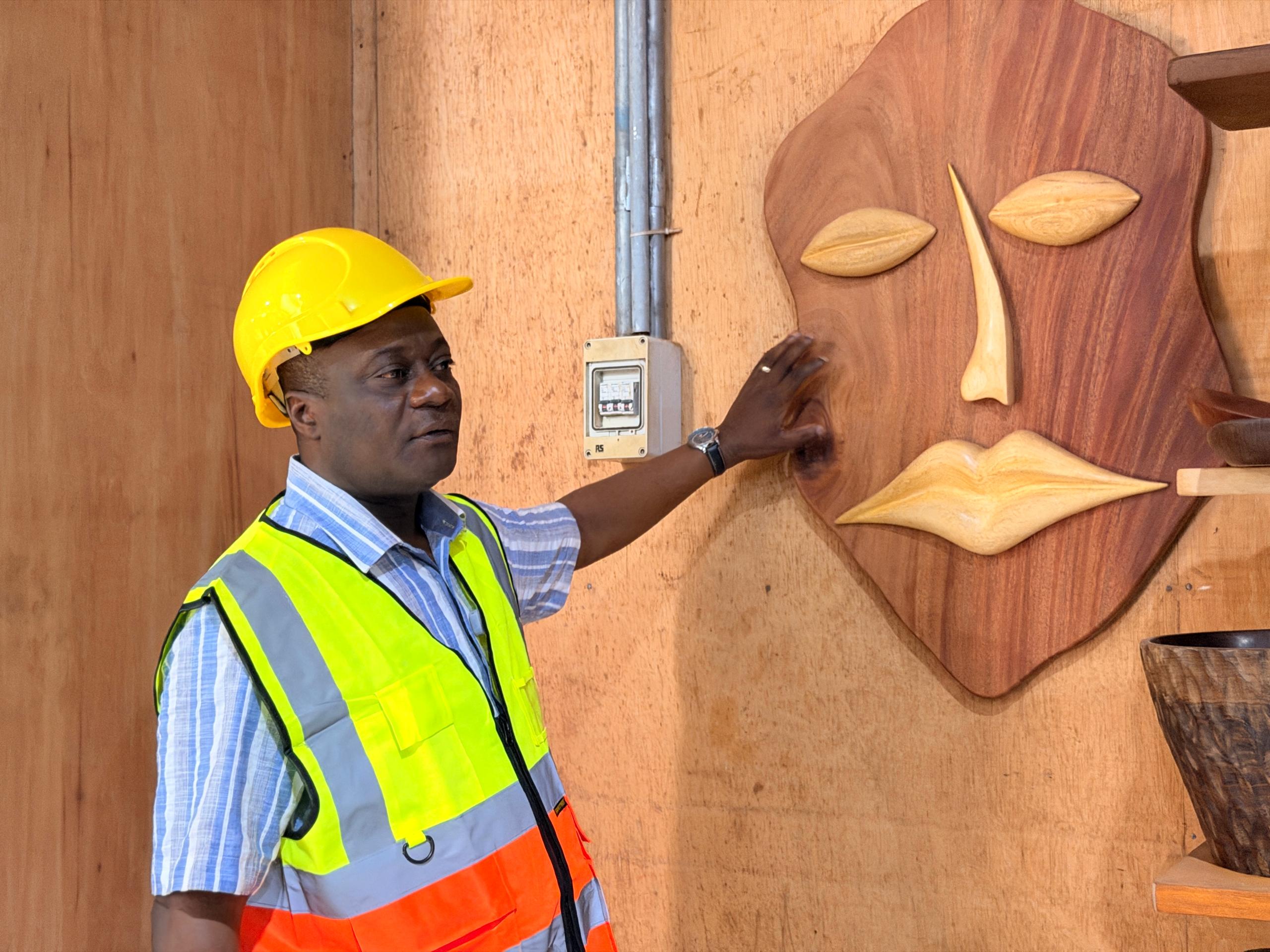
The concern emerged during a working visit by Western Regional Minister Joseph Nelson to Samartex Timber and Plywood Company Limited at Samreboi in the Western Region, where Management highlighted the challenges facing the company under the current framework.
Managing Director of Samartex, Dr. Richard Duah Nsenkyire, said companies that have completed the tax holiday should be allowed to serve local industries, particularly the construction sector, without unnecessary restrictions.
He said consumers seeking locally manufactured timber and plywood often struggle to access the products at affordable prices, forcing some to turn to the black market.
“When we want to industrialise and resource our local industries, we have to make sure that when you have gone through the ten-year tax holiday and start paying corporate tax, you should be allowed to serve the local industry,” he said.

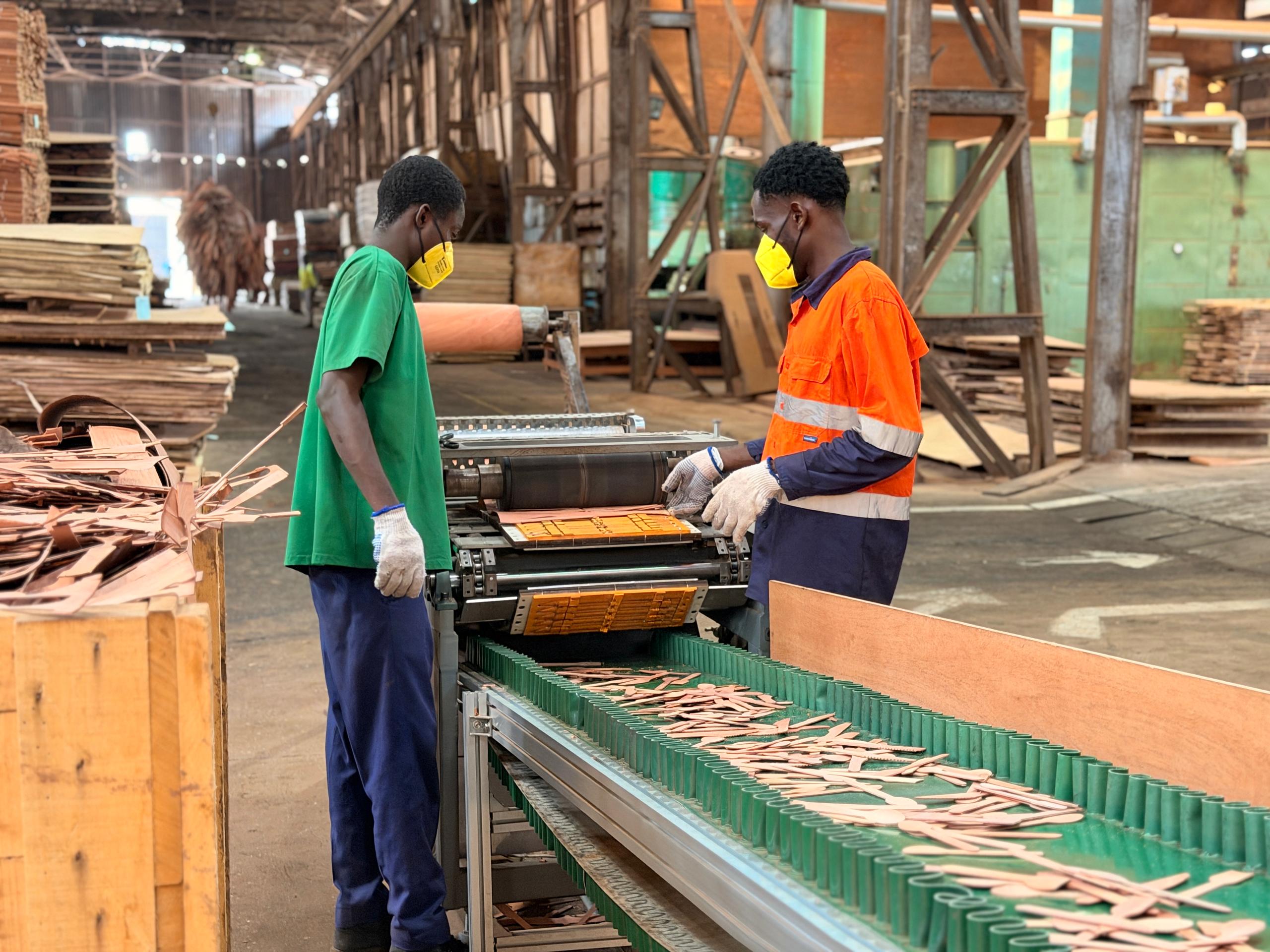
Dr. Nsenkyire explained that although Samartex has the capacity to supply the domestic market, regulatory procedures and associated costs make its products less competitive.
He said even institutions and private schools seeking to purchase locally manufactured wood products face bureaucratic hurdles involving the Free Zones Board and Customs.
According to him, the situation has weakened the incentive for companies to remain under the scheme after their tax holidays expire, particularly when they continue to incur additional costs on imported inputs.
Western Regional Minister Joseph Nelson acknowledged the concerns, describing the Free Zones policy as a useful initiative that was originally designed to attract investment, promote export-oriented production and generate foreign exchange.
However, he said the framework needed to be reconsidered for companies that had completed their tax holidays and were now paying taxes without enjoying the benefits that initially attracted them to the scheme.
“The original idea of Free Zones is good, is still good, but then we still have to look at it, especially for those of you who have gone through the ten-year tax holiday and you are paying taxes and everything. But I don’t really see any advantage,” Mr Nelson said.
The companies believe a policy review would improve their competitiveness, protect jobs and make locally manufactured products more accessible to Ghanaian consumers.
For Samartex, the proposed changes would also support Ghana’s industrialisation agenda by enabling established local manufacturers to serve domestic demand while maintaining their export operations.
The call adds to ongoing discussions about how the Free Zones framework can balance its export-oriented objectives with the need to strengthen local industries and expand access to Ghanaian-made products.
By Ebenezer Atiemo