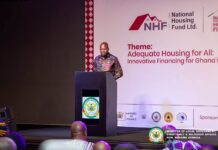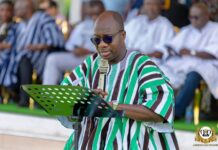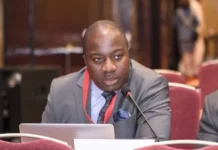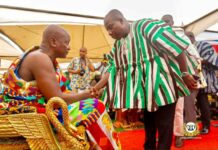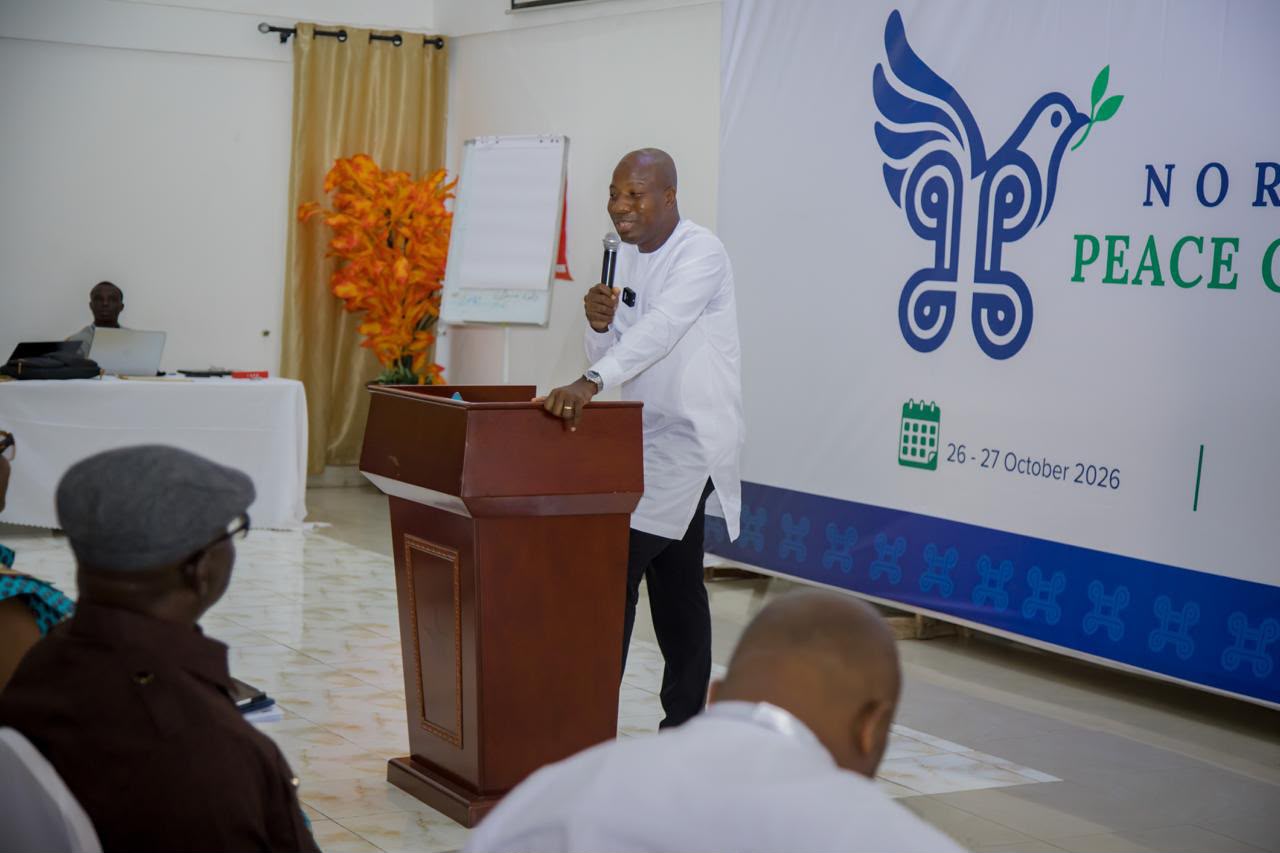

Minister for Local Government, Chieftaincy and Religious Affairs, Mahama Ayariga, has proposed the creation of a National Eminent Chiefs Committee to help resolve land, succession and traditional authority disputes before they escalate into violence.
Speaking at the Northern Ghana Peace Conference in Tamale, Ayariga said court judgments alone cannot guarantee lasting peace where communities continue to question customary legitimacy.
“Courts may settle the law, but chiefs can settle the community,” he argued, calling for traditional authority to be placed at the centre of conflict prevention.
Mr Ayariga wants succession lines for paramountcy’s across the five northern regions documented and gazetted, while traditional lands are mapped to clarify boundaries and ownership.
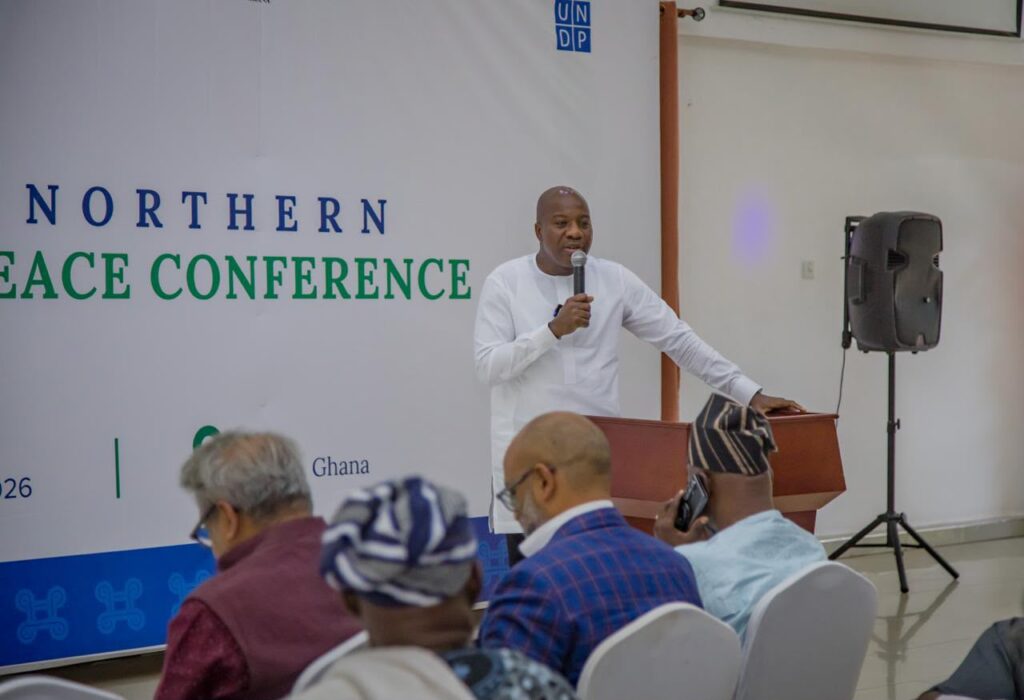
He also recommended district-level peace structures chaired by neutral eminent chiefs, with representation from security agencies, religious leaders, women, youth and other stakeholders.
The proposed structures would gather early-warning information, facilitate dialogue and refer unresolved disputes to regional or national peacebuilding bodies.
UNDP: Address Root Causes
UNDP Ghana Resident Representative, Niloy Banerjee, said sustainable peace requires more than responding to security threats.
He said underlying economic, social and governance challenges including youth unemployment, farmer-herder conflicts, political vigilantism, small-arms proliferation and online radicalization must be tackled.
Mr Banerjee also warned that insecurity in the Sahel could spill into Ghana through displacement, arms trafficking, illicit economic activities and extremist narratives.
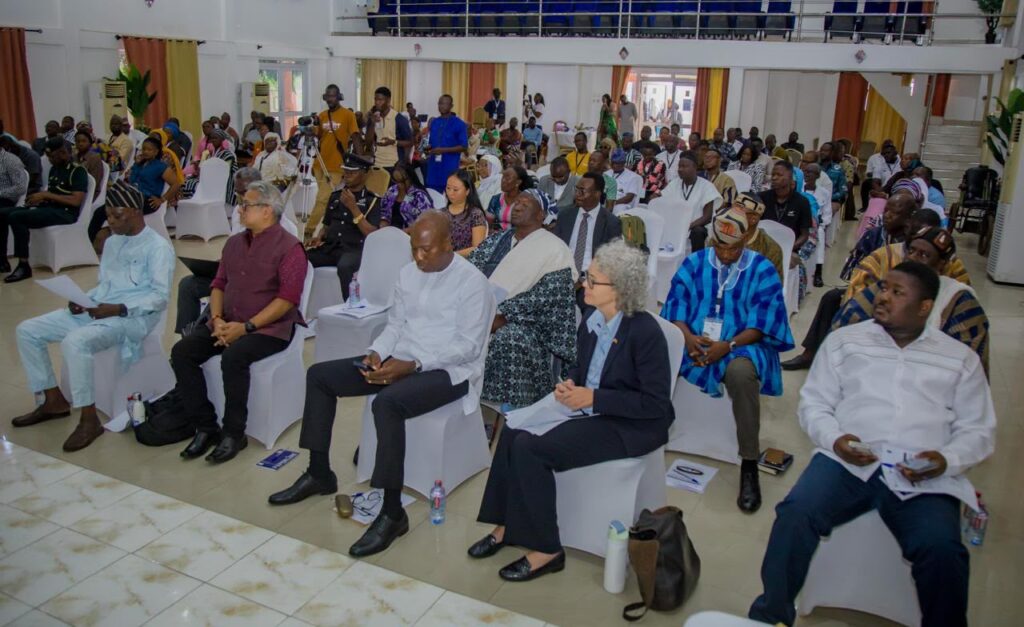
He cited UNDP-supported interventions that have reached 70 conflict-vulnerable communities, trained more than 6,800 stakeholders and expanded peace committees under the Atlantic Corridor Initiative from 19 to 32 in 2026.
He urged stakeholders to convert conference discussions into clear priorities, responsibilities, financing arrangements and accountability measures.
NDPC: Peace Unlocks Development
Director-General of the National Development Planning Commission, Dr Audrey Smock Amoah, said northern Ghana’s challenges should be seen as disparities in infrastructure, public services, connectivity, human capital and productive employment—not as a lack of effort by its people.
She said peace is essential for communities to farm, trade, access education and healthcare, and pursue economic opportunities.
Dr Amoah identified impartial justice, responsible leadership, effective conflict-prevention systems and the meaningful participation of women, young people and persons with disabilities as key pillars of sustainable peace.
She urged participants to submit prioritised, evidence-based recommendations to inform the preparation of a consolidated long-term national development plan.
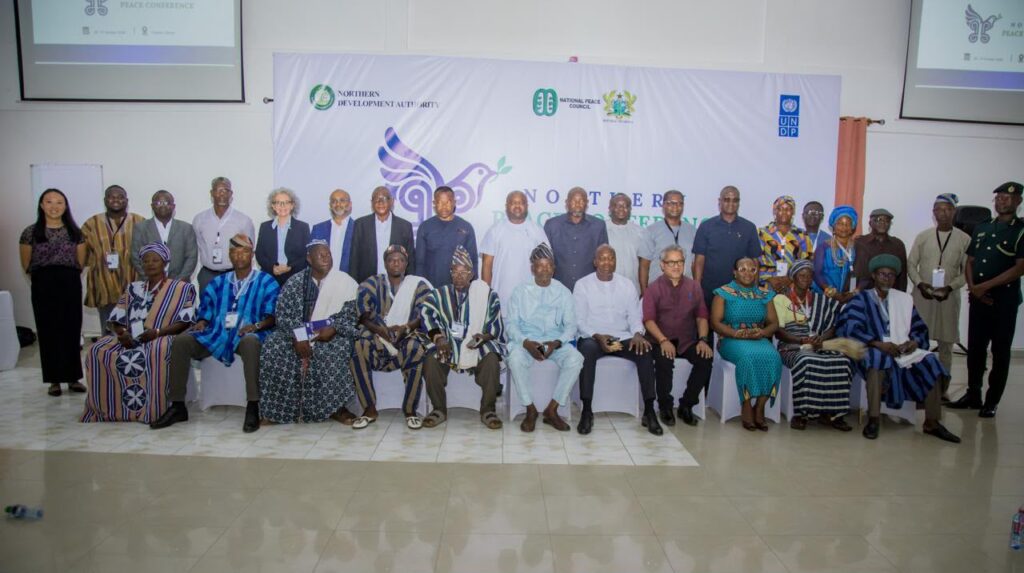
The two-day conference, organised by the UNDP with the Northern Caucus of Parliament, the National Peace Council and the Northern Development Authority, brought together stakeholders from the five northern regions.
It also heard calls for stronger collaboration among government, traditional authorities, security agencies and communities to address youth unemployment, farmer-herder conflicts, political vigilantism, small-arms proliferation and online radicalisation.