
The Minority Caucus on Employment, Labour Relations and Pensions in Parliament has called on the leadership of Organised Labour to publish the proposals it submitted during negotiations with government and explain to its members why it accepted a two-year agreement beginning with a 9% increase.
The demands follow the agreement between the government and organised labour on a 9% total remuneration increase for public sector workers in 2027 and 10% in 2028.
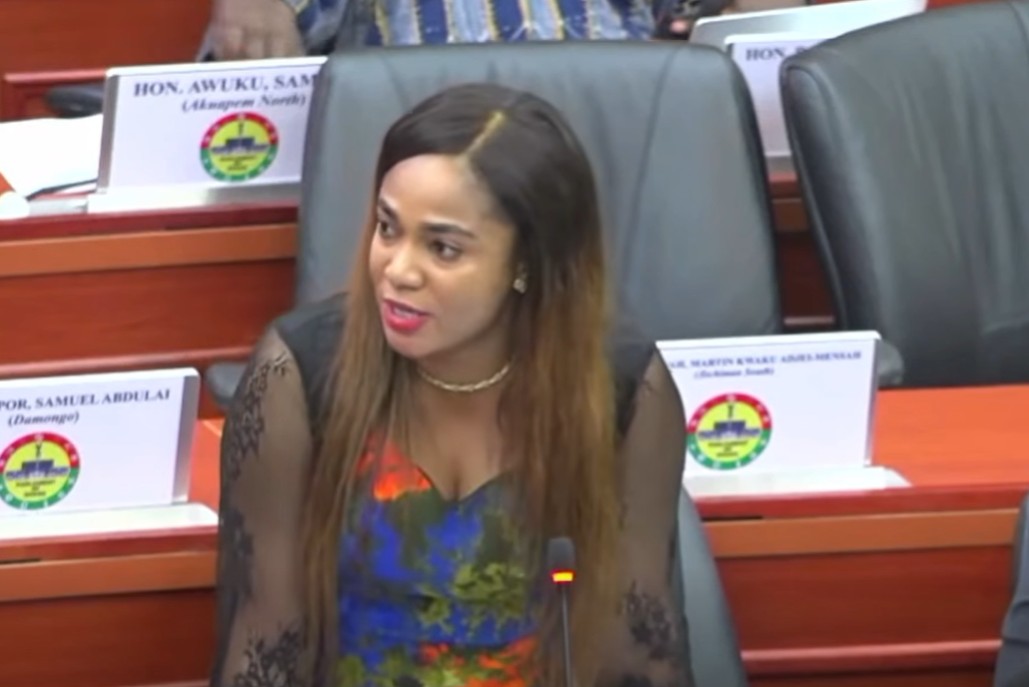
In a statement issued on October 30 by the Ranking Member of the Committee on Employment, Labour Relations and Pensions, Mavis Nkansah Boadu, the Minority argued that the 9% increase is inadequate considering the rising cost of living and the recent tariff increment in 2025 and 2026.
“Accountability to the Rank and File: The leadership of Organised Labour must publish the proposals it tabled and explain to its members the basis on which it accepted a two-year deal opening at a mere 9%,” the Caucus noted.
The Minority questioned whose interests the leaders of Organised Labour represented. It said they had publicly promised, just two weeks earlier, to push strongly for a significant increase in 2027 base pay.
“Only two weeks ago, leaders within Organised Labour publicly assured workers that they would argue strongly for a significant increase in 2027 base pay
“They have instead put their signatures to 9%, and gone further to bind workers to a two-year framework that extends into 2028.”
The Minority recalled that when the 9% increase for 2026 was agreed in November 2025, union leaders themselves described it as “woefully inadequate”, yet have accepted it now and urged agitating workers to remain calm.
The Minority further demanded an immediate review of the newly agreed public sector remuneration framework for 2027 and 2028, describing the 9% increase for next year as inadequate.
The caucus called for the Public Services Joint Standing Negotiating Committee (PSJSNC) to reconvene to establish what it describes as a living wage that reflects the impact of rising utility tariffs and commodity prices.
The Minority argued that wage negotiations should take into account the rising cost of essential services.
“Wage negotiations can no longer be conducted in a vacuum while utility regulators greenlight constant tariff increases that wipe out nominal pay adjustments,” thy stated.
The caucus also urged the government to stop using institutional transitions, including the switch to the Insurance and Pensions Commission (IPEC), as leverage to impose what it described as poverty wages on Ghanaian workers.