
The closed season for hunting is yielding great results for the Ankasa Conservation Park, according to manager Bona Kyiire.
However, for many local chop bar operators in the area who rely heavily on bush meat, the ban has triggered a sharp decline in trade, highlighting the economic sacrifices inherent in conservation efforts.
For generations, the rhythm of life in the communities fringing the lush Ankasa conservation area has been set to the sizzle of a particular pot.
It’s the aroma of bushmeat, grass cutter, antelope. And cooking over firewood, a sound synonymous with sustenance, tradition, and for many, survival.
But since August 1, a government-imposed silence has fallen over these pots. A five-month close season on bushmeat hunting, ending on December 1, aims to allow wildlife populations to recover and breed.
Now, in its crucial third month, the policy’s human cost is coming into sharp focus, even as conservationists work to win hearts and minds.
An excited Park Manager Bona Kyiire reports a notable success: compliance this year has significantly improved compared to previous years.
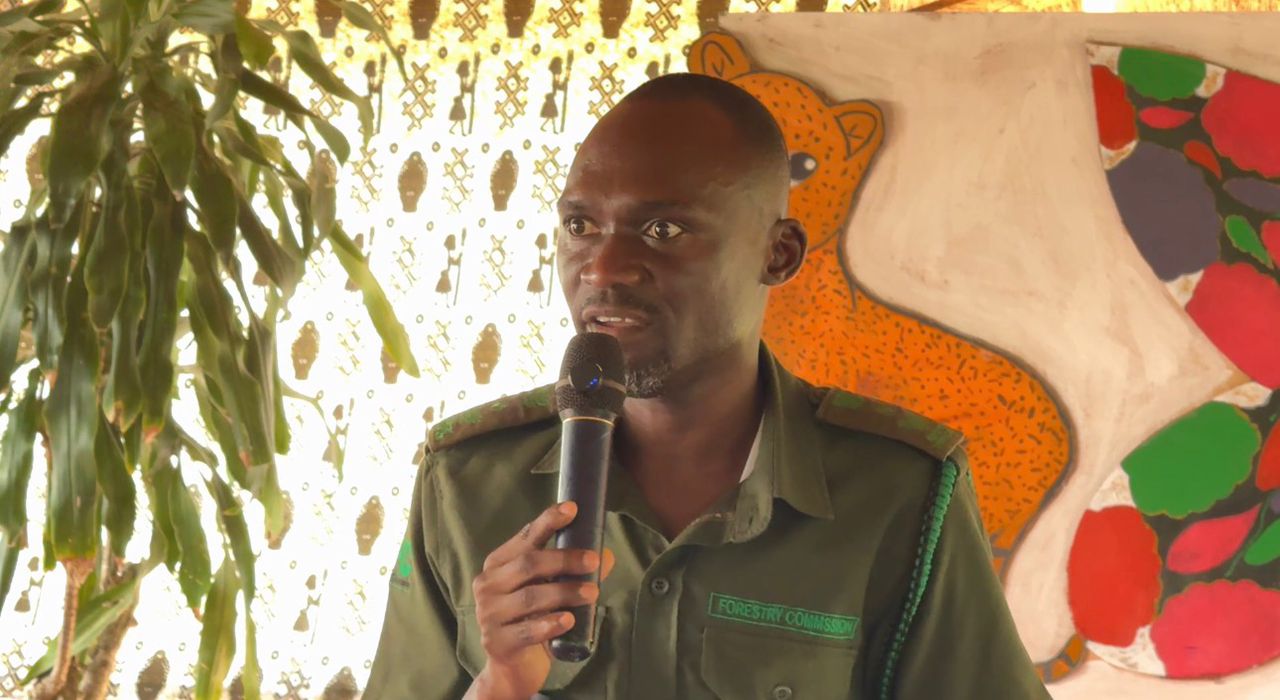
He applauds the local communities for their support and cooperation.
“We are encouraged by the high level of compliance so far, particularly within the Amokwaw CREMA zone, where the community has shown a strong willingness to support the ban’s enforcement.
To ensure public adherence, the park is conducting roadblock exercises throughout this district and adjoining areas. While the current support is excellent, we continue to ask for the public’s full cooperation to protect our wildlife resources for both present and future generations.”
But on the flipside, Rhoda Enima has been running a ‘chop bar’ for 15 years. Her spot, a modest wooden structure with a few plastic tables, is famous for one thing: her bushmeat light soup.
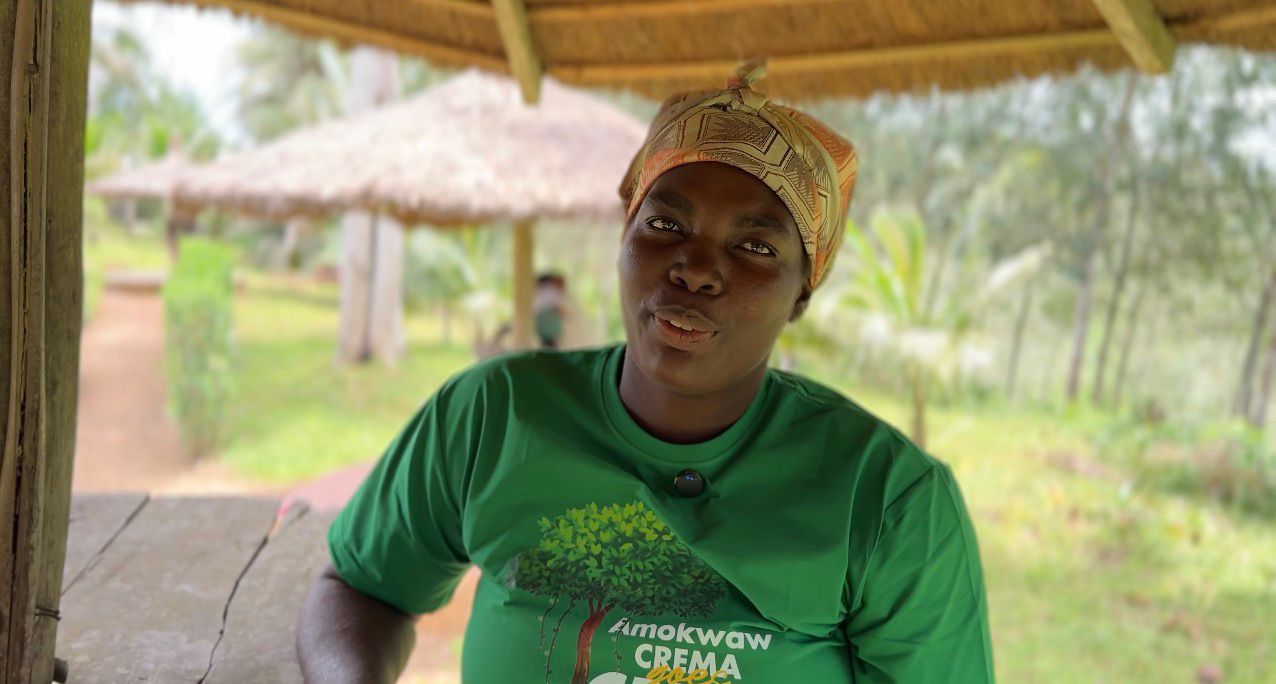
“This ban is a significant challenge for vendors like me who specialize in bushmeat. My business is built entirely on it; I don’t sell any other type of meat, and my customers specifically seek out natural bushmeat.
Since the closure, business has stopped completely. When I tried offering alternatives, my customers stayed away. For now, I have no choice but to pause my operations until the ban is lifted,” she said.
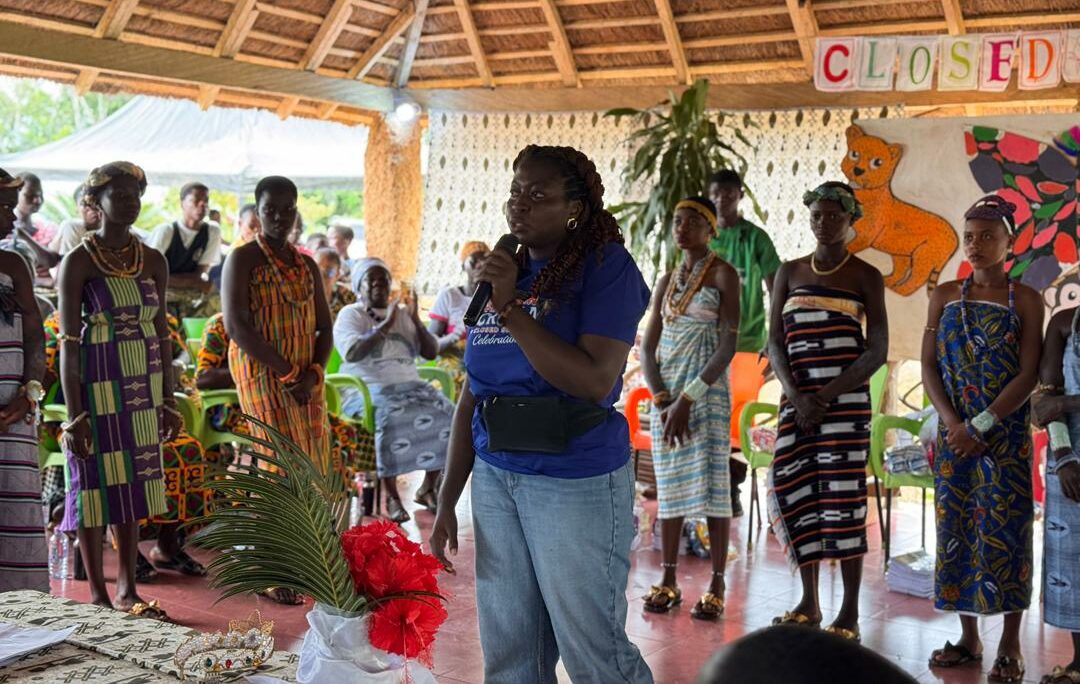
In response to this friction, a sensitization team from the NOE Ghana and the local Community Resource Management Committee Area (CREMA) is taking its mission directly to the people.
This involves holding meetings across the Ankasa conservation zone, engaging everyone from hunters and market women to local elders and schoolchildren.
At the forefront of this effort is Thomas Kwaw, the CREMA Chairman.
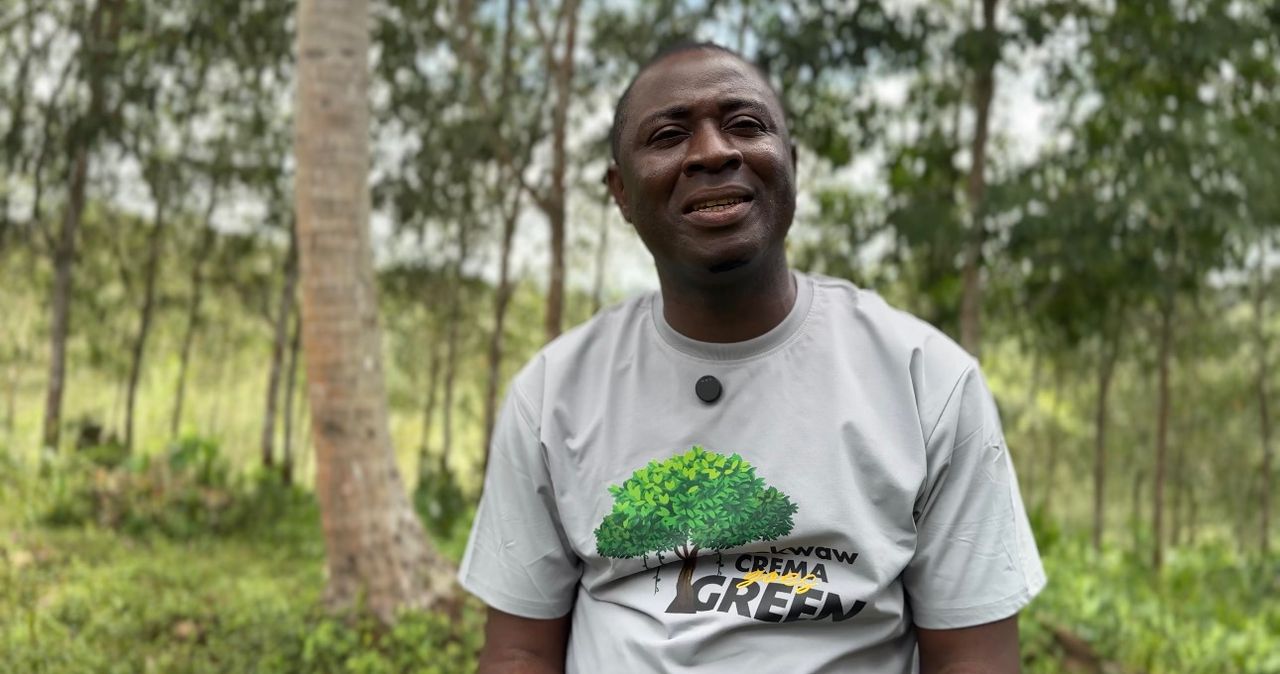
“The closed season is essential for providing wildlife with a protected breeding period. On this basis, I call upon all member communities of the Amokwaw Community Resources Management Area (CREMA) to strictly observe this season.
“Upholding the closed season is both an ecological necessity and a fundamental responsibility under the CREMA framework, which obliges us to participate fully in its enforcement,” he stated.
The sensitization drive is a delicate dance between enforcement and empathy.
The officers know they cannot arrest their way into conservation success. True change, they believe, will come when the community sees itself as the guardian of the wildlife, not just its consumer.
Peter Andiwe Kompari, is the coordinator for Noe Ghana he noted that “Feedback from a recent community forum confirms the close season is having a significant impact. Community members attested that the once-common sound of gunshots has now ceased, demonstrating successful local compliance.
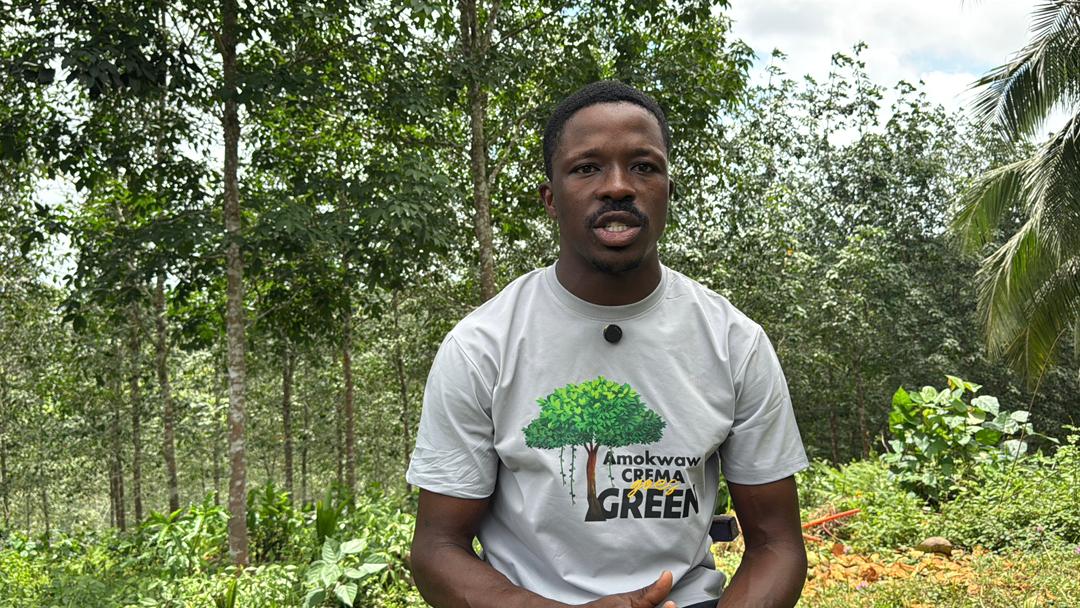
“This positive change is attributed to pre-season sensitization efforts. As a result, illegal hunting in this landscape has been drastically reduced. We recommend that CREMA continues its vital work in raising public awareness to sustain this success.”
By Ebenezer Atiemo