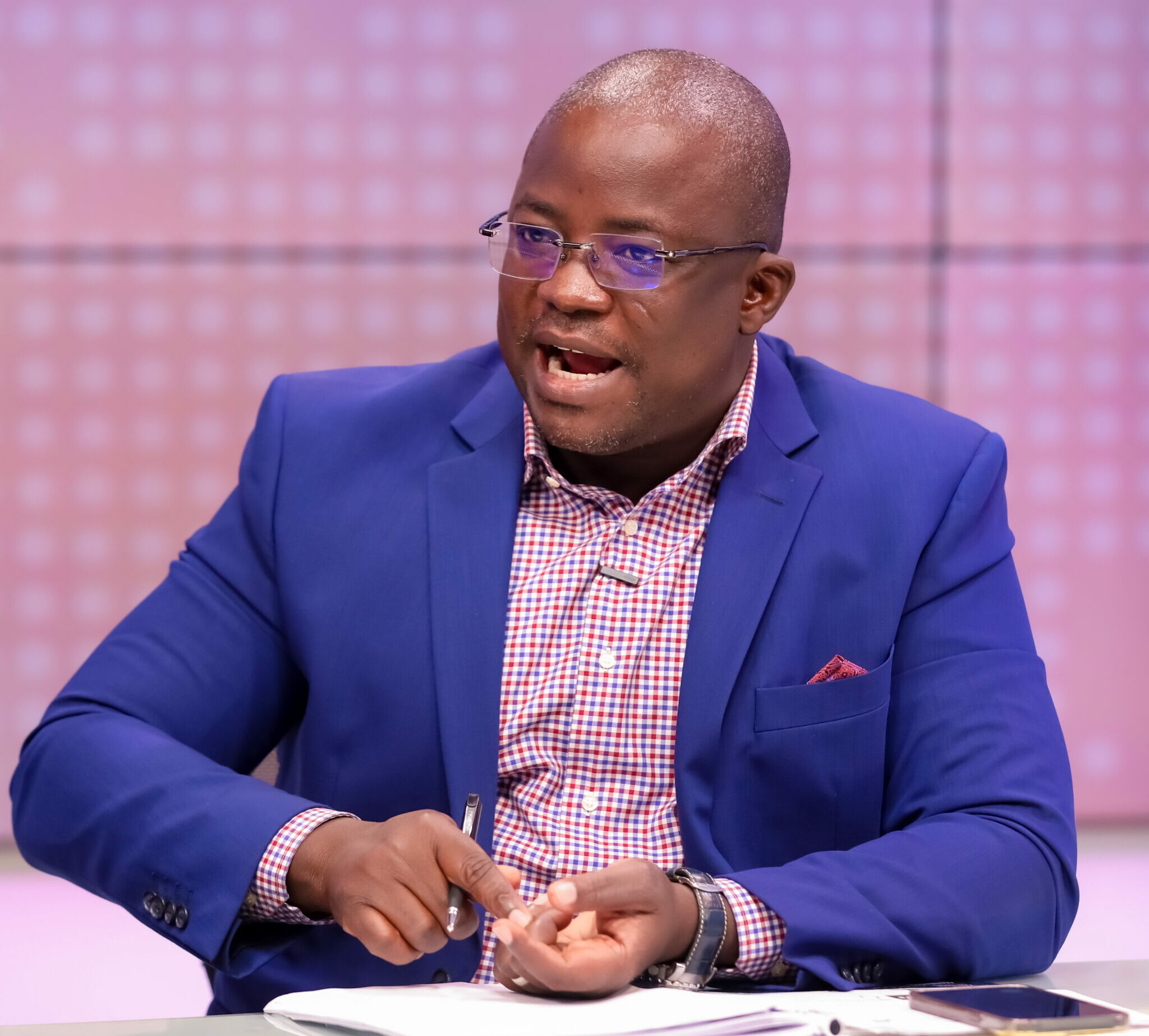

A Political Science lecturer at the University of Ghana, Dr Joshua Zaato, has argued against the removal of the Covid-19 levy by the Finance Minister.
He made the point that the government could have used proceeds from the levy to invest in programmes such as the Big Push project.
“I wouldn’t have removed it; this money would have done something for the big Push. Again, you have a serious problem of farmers experiencing glut across the country, so I could have invested this money in the farmers,” he said on the Key Points on TV3 Saturday, November 29.
For his part, Chief Executive Officer (CEO) of Dalex Finance Joe Jackson said, while welcoming its removal. The Covid-19 levy negatively impacted the disadvantaged more than it did the wealthy.
To him, the levy should have been removed long ago. In the next week or two, he said he expects all ‘remnants’ of this tax to go away.
“Covid is now a memory for us. A levy called COVID-19 has no business being on the tax book; throw it out. I am pleased that they got it away. It was a nuisance tax.
“The COVID-19 tax was an indiscriminate tax. It doesn’t matter who you are; you will pay. It hit the disadvantaged in society harder than the wealthy in society,” he also said on the Key Points on TV3.
Parliament has passed the Value Added Tax Bill, 202 and officially scrapped the COVID-19 Health Recovery Levy.
The reforms fulfil a major pledge announced by the government in the 2025 Budget and Mid-Year Fiscal Policy Review to make Ghana’s VAT system fairer, simpler, and more growth-focused.
Finance Minister Dr Cassiel Ato Forson, who led the policy revisions, said the new legislation will remove distortions, reduce cascading effects, promote compliance, and improve economic efficiency for businesses and households.
“We promised to abolish the COVID-19 levy. With the support of this House, I am happy to announce today that it is abolished,” Dr Forson declared on the floor of Parliament.
Under the new VAT structure, the COVID-19 levy is removed entirely and is expected to return GH¢3.7 billion to individuals and businesses in 2026 alone.