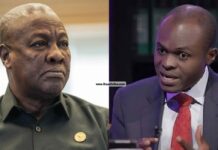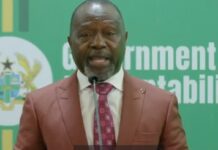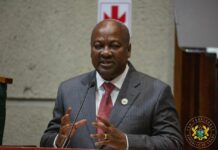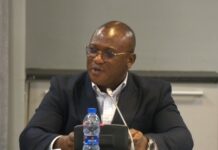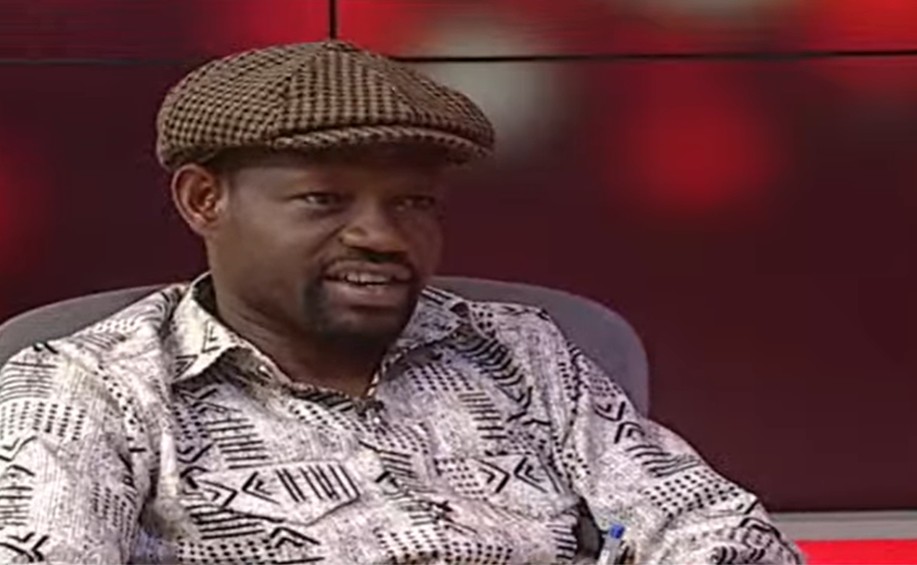

The Chairperson of Parliament’s Constitutional and Legal Affairs Committee, Shaibu Mahama, has supported a recommendation by the Constitutional Review Committee (CRC) for Members of Parliament not to be made Ministers.
The Constitution Review Committee (CRC) in its final report to the President in December 2025 recommended amendments to Article 78(1) of the 1992 Constitution to bar Members of Parliament (MPs) from being appointed as ministers of state, deputy ministers or regional ministers.
The Committee also recommended the capping of ministerial appointment not to exceed 57 as well as MPs at the current 276 members.
Speaking on the debate about the dual role of MPs as ministers in an interview on TV3’s Hot Issues, Sunday, Mr. Mahama said while the suggestion by the CRC has its pros and cons, separating the two arms of government would significantly strengthen parliamentary work.
According to him, some individuals enter Parliament with ambitions of securing ministerial appointments rather than focusing on their core legislative responsibilities.
“It has its pros and cons. It will make Parliament very effective. I can tell you some people go into Parliament because they want Ministerial position but not because of the basic parliamentary work. This may just be my thinking,” he stated.
Mr. Mahama emphasised that the primary responsibilities of MPs revolve around three key principles: oversight, representation, and legislation.
He argued that combining these duties with executive responsibilities weakens Parliament’s ability to independently scrutinise government decisions.
“I think that once you get into parliament and you know that you are coming to do parliamentary work, three key principles; oversight, representation and legislation. So, if you are doing this and you now want to add Executive role to it.
“It will make parliament more effective if we say come and do parliamentary work and do not go and mix with the Executive,” he added.
The Committee Chairperson further noted that separating parliamentary duties from executive functions would make the principle of separation of powers more meaningful in practice.
He pointed out that under the current arrangement, some MPs participate in decision-making at the Executive level and later return to Parliament to vote on or implement those same decisions, raising concerns about impartiality and bias.
“Today, you have MPs who will go and take decisions at the Executive level and come and then we will have to take a vote and implement it in Parliament. You can see the clear bias in terms of the mix,” he said.