
Council for Scientific and Industrial Research – Crops Research Institute (CSIR-CRI) has cautioned that insufficient seed supply could derail government’s year-round agriculture initiative.
Ghana’s ambitious plan to transition into a 24-hour farming economy is facing a significant hurdle; an acute shortage of certified seeds.
The Council for Scientific and Industrial Research – Crops Research Institute (CSIR-CRI) has warned that without urgent intervention, the policy may not achieve its intended impact.
Speaking in an interview with TV3, the Deputy Director-General of CSIR-CRI, Professor Marian Quain, disclosed that the country currently lacks adequate seed stock, especially rice and other essential crops, to meet the expected demand from farmers under the new 24-hour farming policy.
“We do not have enough certified seeds in the system to support every farmer who would want to engage in 24-hour farming,” Professor Quain said.
“If we don’t invest in the institutions responsible for seed production, this policy will struggle to take off.”
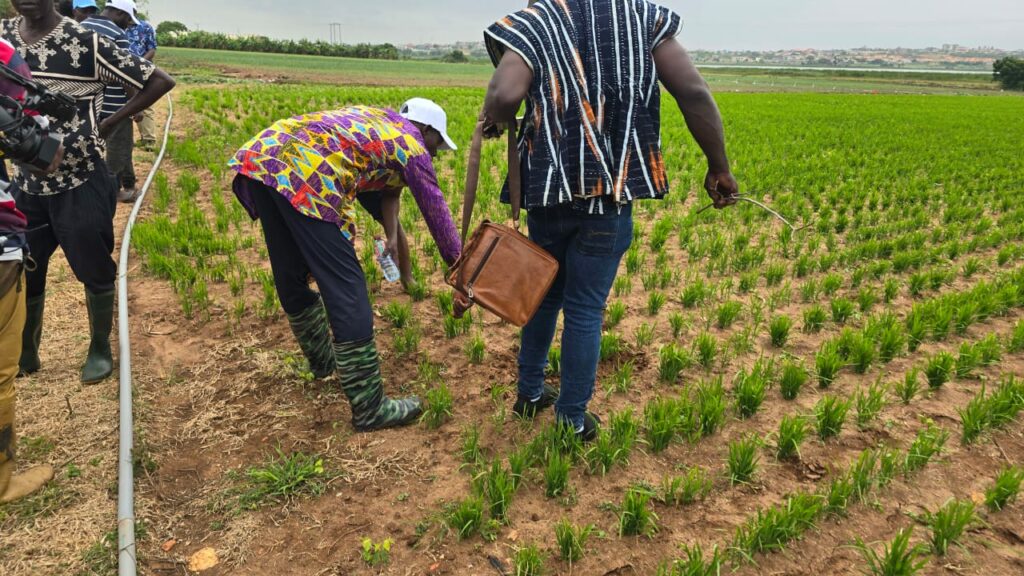
The 24-hour farming policy is a central part of the government’s broader goal to ensure year-round food production, reduce agricultural imports, and boost employment.
However, the lack of readily available seeds poses a major threat to its success.
Chief Research Scientist at CSIR-CRI, Professor Maxwell Darko Asante, has also called for deeper government engagement with the Institute in the planning and execution of the 24-hour farming strategy.
“Our role as a research center is central to this policy. We must be part of the planning process so we can align our seed production with national farming goals,” he noted.
Both experts emphasized that unless policy makers prioritize seed research, production, and distribution, Ghana risks falling short of its agricultural transformation targets.
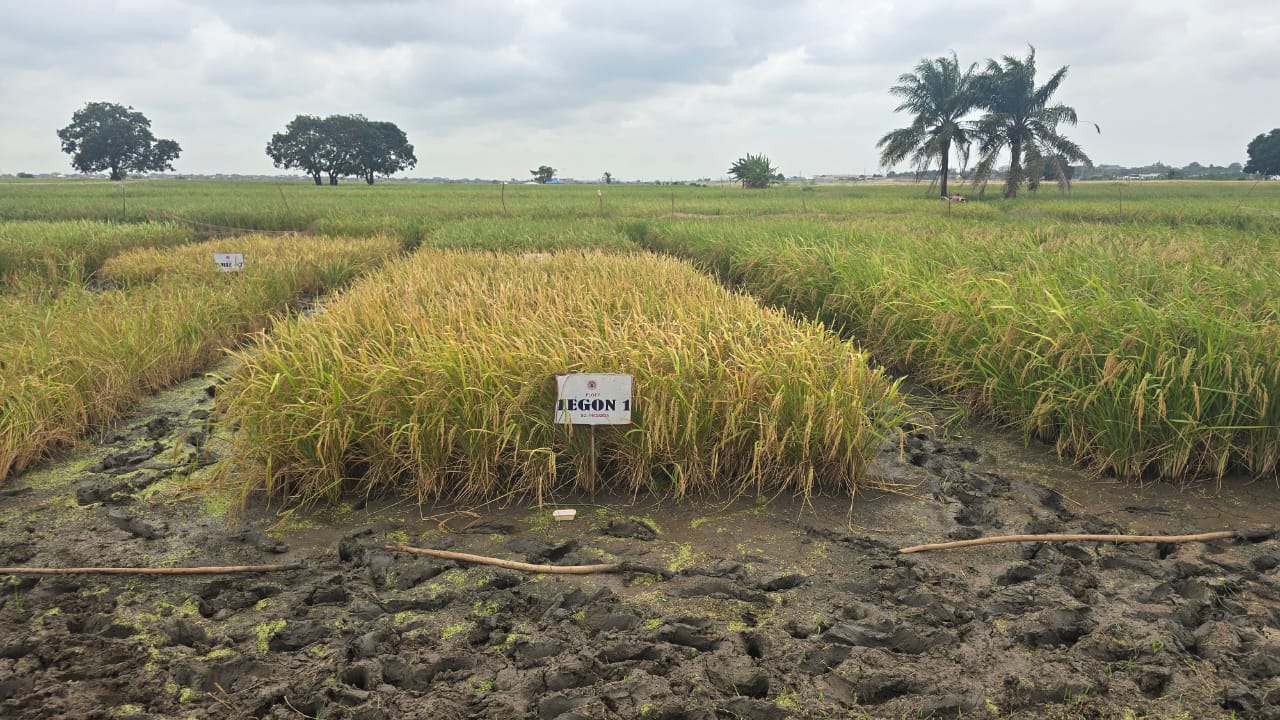
In a proactive move, CSIR-CRI has released a new rice variety aimed at boosting local rice production.
This variety will be cultivated on a 100-hectare demonstration site at Dawhenya, forming part of efforts to ramp up seed availability and support farmers in year-round crop production.
The Institute believes that with the right policy support and funding, such innovations can significantly reduce the country’s reliance on imported food and strengthen food security.
As Ghana charts a bold path toward a 24-hour economy driven by agriculture, experts warn that the policy’s success hinges on solving the most fundamental challenge – seed availability.
Institutions like CSIR-CRI are ready with solutions, but sustained investment and policy alignment will be key to turning vision into reality.