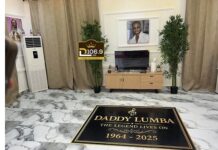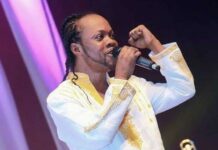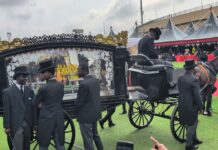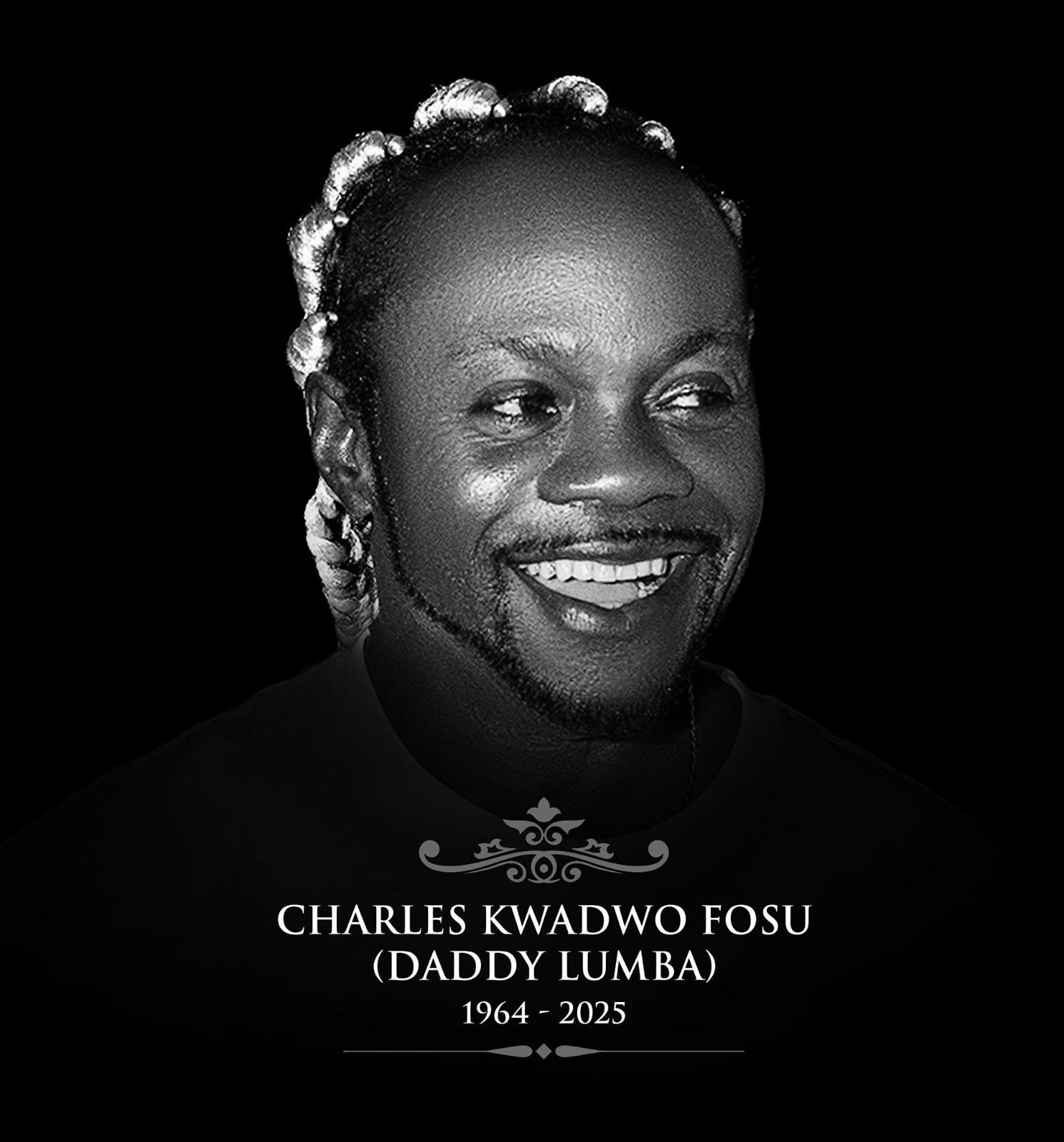

For over four decades, Charles Kwadwo Fosu, universally celebrated as Daddy Lumba, has dominated Ghana’s music scene with unparalleled artistry and an astonishingly prolific discography.
With more than 33 albums and over 200 songs to his name, Daddy Lumba stands not only as Ghana’s most celebrated highlife musician but also as a profound cultural icon whose enduring legacy has intricately shaped the very fabric of Ghanaian music.
From his groundbreaking debut solo album in 1989 to his most recent projects, Daddy Lumba has navigated an extraordinary creative journey.
Each album he released is a rich tapestry woven with diverse themes ranging from heartfelt romantic ballads and sharp social commentary to deep spiritual yearnings all stitched together by his signature vocal delivery and remarkable lyrical wit.
Whether he was serenading lovers with soulful melodies or playfully poking fun at societal norms, Daddy Lumba’s creative duality has consistently captivated both fans and critics alike.

The Controversial Genius: A Duality Defined
If consistency is often the hallmark of legends, then unpredictability is undoubtedly Lumba’s signature spice.
He is equally renowned for his deeply spiritual gospel offerings as he is for his risqué lyrics and provocative music videos.
One year, he might release a gospel album filled with titles praising Jesus, and the very next, he would be crooning about betrayal and bedroom exploits with a boldness that often-rattled conservative audiences.
This striking duality reverence on one hand and a touch of rebellion on the other has come to define his complex public persona. It is this unique characteristic that has made him a household name across generations, cutting across diverse demographics and earning him both devout admirers and occasional harsh critics.
His extensive catalogue showcases a remarkable evolution of sound and thematic depth. His journey began with his debut album, “Yereye Aka Akwantuo Mu” (1989), a collaboration with Nana Acheampong, featuring tracks like “Odo Fakye” and “Enko Ngya Me.”
This was quickly followed by “Obi Ate Meso Bo” (1990), which included the iconic “Theresa.”
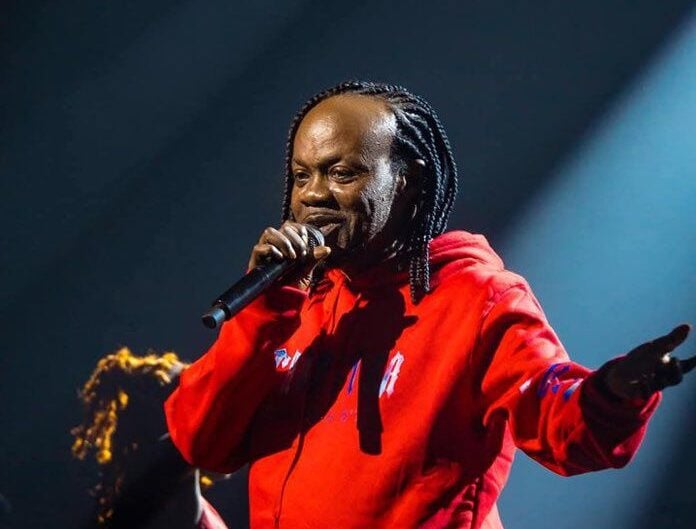
Lumba’s prolific output continued through the 90s and 2000s, with albums like:
- “Sika Asem” (1991): “Sika Asem”, “Made In Ghana”
- “Playboy” (1992): “Ohia Asem”, “Play Boy”
- “Vida” (1992) (with Felix Owusu): “Emmefa Nko Gyae Me”, “Vida”
- “Biribi Gyegye Wo” (1993): “Makra Mo”, “Biribi Gyegye Wo”
- “Odo Foforo” (1994) (with Afua Ampofowaa): “Opono Hini Me”, “Odo Foforo”
- “Sesee Wo Se” (1995): “Anidaso Woho Ma Obiaa”, “Sesee Wo Se”
- “Mesom Jesus” (1995): “Mesom Jesus”, “Amansan Nyinaa Nto Ndwom”
- “Hwan Na Otene” (1996) (with Akua Serwaa Bonsu): “Beye W’awanwa Adwuma”, “Hwan Na Otene”
- “Back For Good” (1997): “Back For Good”, “Se Emere No Beso a”
- “Aben Wo Ha” (1998): “Doctor Panee”, “Aben Wo Ha”
- “Millenium Love Songs” (1999) (with Ofori Amponsah): “Auntie Atta”, “Hye Me Bo”
- “Mato Odo Mu” (2000): “Twime”, “W’ate Asie”
- “Fa Woho Bo Jesus” (2000) (with Selina Orleans): “Aseda Ben”, “Fa Woho Bo Jesus”
- “Poison” (2001): “Poison”, “Menya Mpo”
- “Me Ma N’afa Wotrim” (2002): “Adepa Hye Adepa Mu”, “Mema N’afa Wotrim”
- “Asie Ho” (2002) (feat. Borax): “Asie Ho”, “Odo Meko”
- “Bubra” (2003): “Bubra”, “Dada Kae”
- “Pa Ntoma” (2004) (with Borax): “Pa Ntoma”, “Odo Bewu De3”
- “Ahenfo Kyiniye” (2004) (with Pat Thomas): “Ahenfo Kyinie”, “Moye Kwa”
- “Area Boy” (2005) (featuring Afua Ampofowaa): “Area Boy”, “Kyere Me Odo”
- “Give Peace A Chance” (2005): “Give Peace A Chance”, “Gyedi”
- “Tokrom” (2006): “Tokrom”, “Obi Ate Meso Bo (remix)”
- “Agenda” (2007): “Agenda”, “Angel”
- “Sika” (2008): “Sika”, “Si Me So remix”
- “Aware Pa Ye Anibre” (2009): “Aware Pa Ye Anibre”, “Anadwo Yi De3” (feat. Sarkodie)
- “Kohye Po” (2011): “Ko Hye Po”, “Ye Ne Wo Sere Kwa”
- “Awosoo” (2014): “Nea Woho Beto Wo a.k.a Yentie Obiaa”, “Awosoo”
- “Hosanna” (2015) (with Great Ampong): “Hosanna”, “Jesus is Winner”
- “Enko Den” (2016): “Enko Den”, “Biakoye” (feat. Okyeame Kwame)
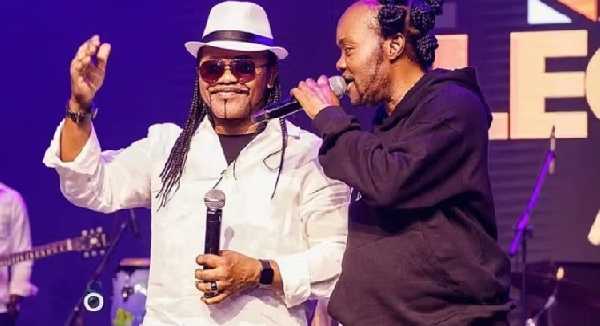
Each project, whether a solo work or a collaborative effort with artistes like Ofori Amponsah, Borax, and Nana Acheampong, reveals something new about the man behind the music.
Daddy Lumba’s influence is impossible to quantify; many of today’s top Ghanaian musicians credit him as their inspiration.
His lyrical agility, melodic inventiveness, and remarkable ability to reinvent himself over the decades set him apart as not just a musician, but a cultural movement.
Daddy Lumba stands firmly in the pantheon of African musical greats, a highlife king whose reign remains as golden as ever.