
Disability Advocacy Group (DaSDA) Africa has welcomed the launch of the Free Tertiary Education for Persons with Disabilities initiative, describing it as a landmark step toward inclusive education in Ghana.
Speaking at the launch, President John Dramani Mahama said: “Each student supported under this policy becomes an asset to our nation. A potential engineer, a teacher, an entrepreneur, a farmer or an innovator. Their success will strengthen Ghana’s economy and enrich our collective humanity.”
The President further emphasized that the initiative is: “A moral responsibility rather than an act of charity,” reflecting Ghana’s commitment to inclusive growth.
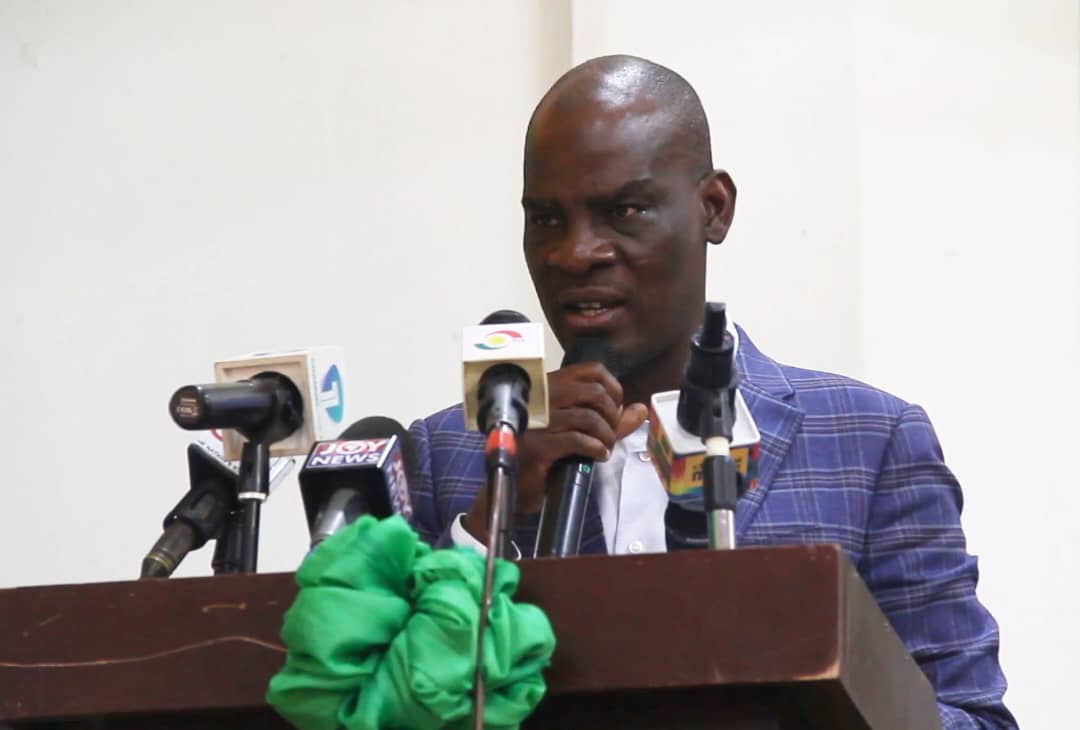
DaSDA Africa, which advocates for the rights, empowerment, and inclusion of persons with disabilities (PWDs), praised the government’s move but emphasized that the policy’s success depends on sustainable implementation, integrity, and long-term outcomes.
“This is a historic step for PWDs in Ghana, but its impact will be measured by how well it is implemented and monitored,” said Wadi Isaac Kwaku, Executive Director of DaSDA Africa.
The organization also outlined key recommendations to ensure the initiative achieves its goals:
• Sustainable and Transparent Implementation
DaSDA Africa urged government agencies, including the Ghana Tertiary Education Commission (GTEC) and the National Council on Persons with Disabilities (NCPD), to establish clear eligibility criteria, efficient application processes, and robust monitoring systems. The planned digital revamp of the Students Loan Trust Fund was described as a positive step.
• Protecting Opportunities for Legitimate Beneficiaries
The organization stressed the need for rigorous verification of disability status to prevent non-eligible applicants from crowding out genuine beneficiaries while maintaining accessibility for legitimate candidates.
• Expanding the Policy to Postgraduate Studies
DaSDA Africa called on the government to extend the scheme to include Master’s and PhD programs, aiming to build a cadre of scholars, leaders, and researchers with disabilities.
• Linking Education with Employment and Entrepreneurship
The group highlighted the importance of connecting graduates with inclusive employment opportunities and supporting entrepreneurship programs tailored to persons with disabilities.
“Education is only the first step. To make this policy transformative, it must be linked to livelihoods, employment, and entrepreneurship,” Kwaku added.
By Daniel Opoku