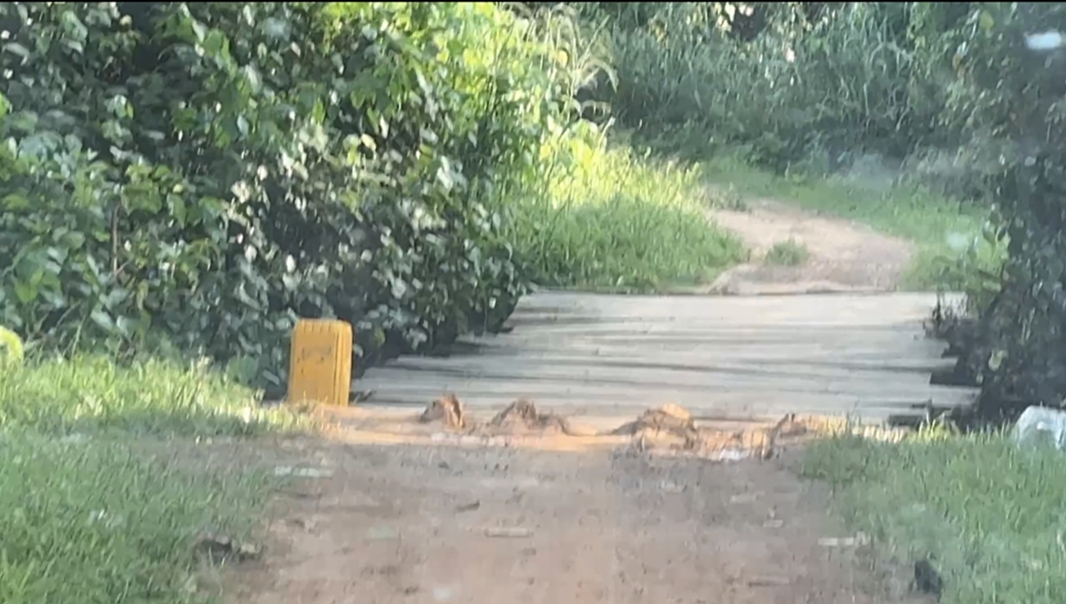

Poor road networks in farming communities across the Suaman district are making it increasingly difficult for farmers to transport their produce to market, leading to post-harvest losses, rising transportation costs and reduced incomes.
The district is one of the major agricultural hubs in the Western North Region, producing large quantities of maize, rice, cassava, cocoa and vegetables such as tomatoes and pepper. Its strong agricultural output has earned it the reputation as the “food basket” of the region.
However, farmers say the poor condition of roads linking communities including Samanga, Ganyo, Peace, Three Mile and Asuboye to the district capital, Dadieso, is threatening their livelihoods.
Many of the roads have deteriorated to the point where transporting food crops to market has become a major challenge, particularly during the rainy season. Farmers say the situation delays the movement of produce, causing significant quantities to spoil before reaching buyers.
Farmers count their losses
A farmer, Salamatu Abu, told Connect News that poor roads have become one of the biggest obstacles to farming in the district.
“Sometimes our produce gets rotten because vehicles cannot reach our farms or the market on time due to the bad roads,” she said.
Another farmer, Asian Adamu, said despite the hard work invested in farming, poor road access and low market prices leave many farmers with little or no profit.
“After spending months cultivating our crops, we still struggle to transport them to the market. By the time we get there, some have already spoiled, and the prices offered cannot even cover our production costs,” he lamented.
High transportation costs
The farmers also complained about the high cost of transporting farm produce.
According to them, the few tricycle operators, popularly known as aboboyaa, who are willing to travel to the farming communities charge between GH¢120 and GH¢300, depending on the quantity of produce being transported.
They say the high transport fares significantly reduce their profits and discourage agricultural production.
The farmers are therefore appealing to the government to prioritise the rehabilitation of cocoa roads and other feeder roads to improve access to markets and reduce post-harvest losses.
District Assembly responds
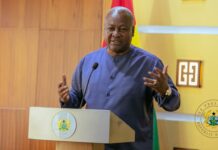
The District Chief Executive for Suaman, Vasco Obour, acknowledged the poor state of the roads, describing the situation as worrying.
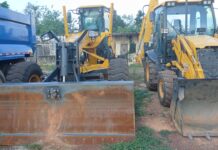
He said the Assembly has deployed equipment under the District Road Improvement Programme (DRIP) to reshape several roads across the district.
According to him, work is ongoing on a number of cocoa roads, assuring residents that more communities will benefit as the programme progresses.
Situation on the Ground
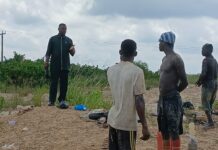
A visit by Connect News to parts of the district confirmed the concerns raised by farmers. Several roads leading to Dadieso were found to be badly damaged, making movement difficult for both farmers and transport operators.
The poor road network continues to hamper agricultural activities, contribute to post-harvest losses, reduce farmers’ incomes and worsen food insecurity in a district widely regarded as one of the region’s key food-producing areas.
By: Portia Cudjoe