
A senior fellow at Africa Policy Lens says although producer price pressures have eased significantly over the past year, recent spikes in utility costs could push inflation higher in the coming months.
Dr Eric Boachie-Yiadom said the overall slowdown in producer price inflation was a major win for fiscal consolidation efforts. However, he cautioned that January’s sharp increase in utility prices shows production costs remain vulnerable to structural pressures.
Speaking in an interview with 3Business on February 18 2026, he pointed to a notable rise in month-on-month producer price inflation.
“If we look at the producer price inflation reported for January, the month-on-month inflation is around 3.3%. That is very high relative to December’s figure of about minus 0.8%. It means prices are beginning to inch up for production,” he said.
Boachie-Yiadom warned that rising production costs could soon affect consumers.
“If production precedes consumption, then this data indicates that consumer price inflation is likely to increase, based on what producer price inflation is telling us,” he added.
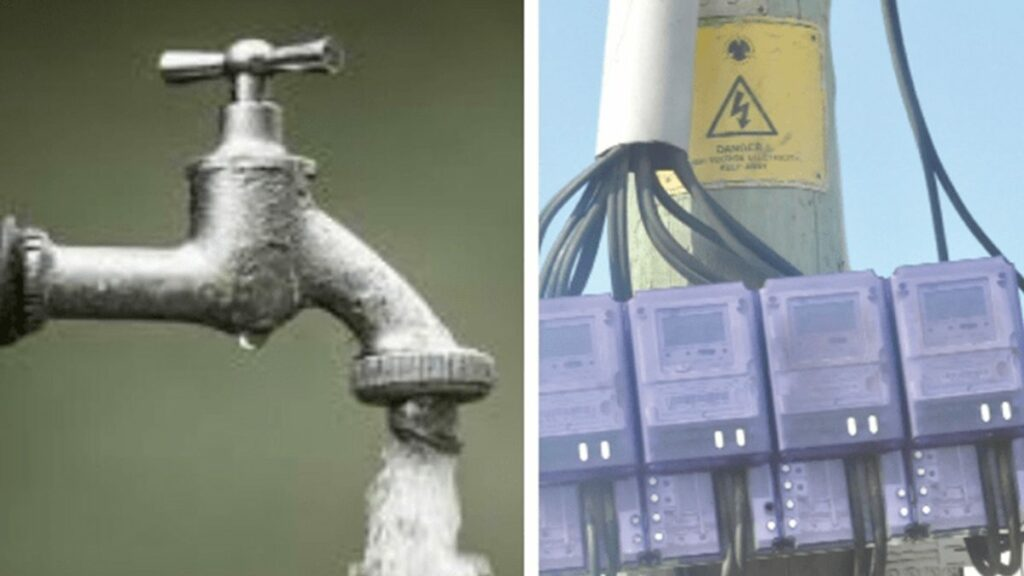
He highlighted that, “I think it offers critical areas for policy direction for the government, especially when we look at electricity and gas. The month-on-month inflation is over 14%, which is relatively very high. There is a need for government to roll out its policy.
The Senior at the Africa Policy Lens concluded that, “Government talked about incentivising utilities or electricity to reduce the cost of production. Over 12 months down the line, Government needs to bring in this policy to cut electricity and gas prices for production.”
Meanwhile, new data from the Ghana Statistical Service shows that annual producer price inflation fell to 1.6% in January 2026, down slightly from 1.9% recorded in December 2025.
The figures suggest that while long-term price pressures at the factory gate are easing, short-term cost spikes particularly in utilities could pose renewed inflationary risks.