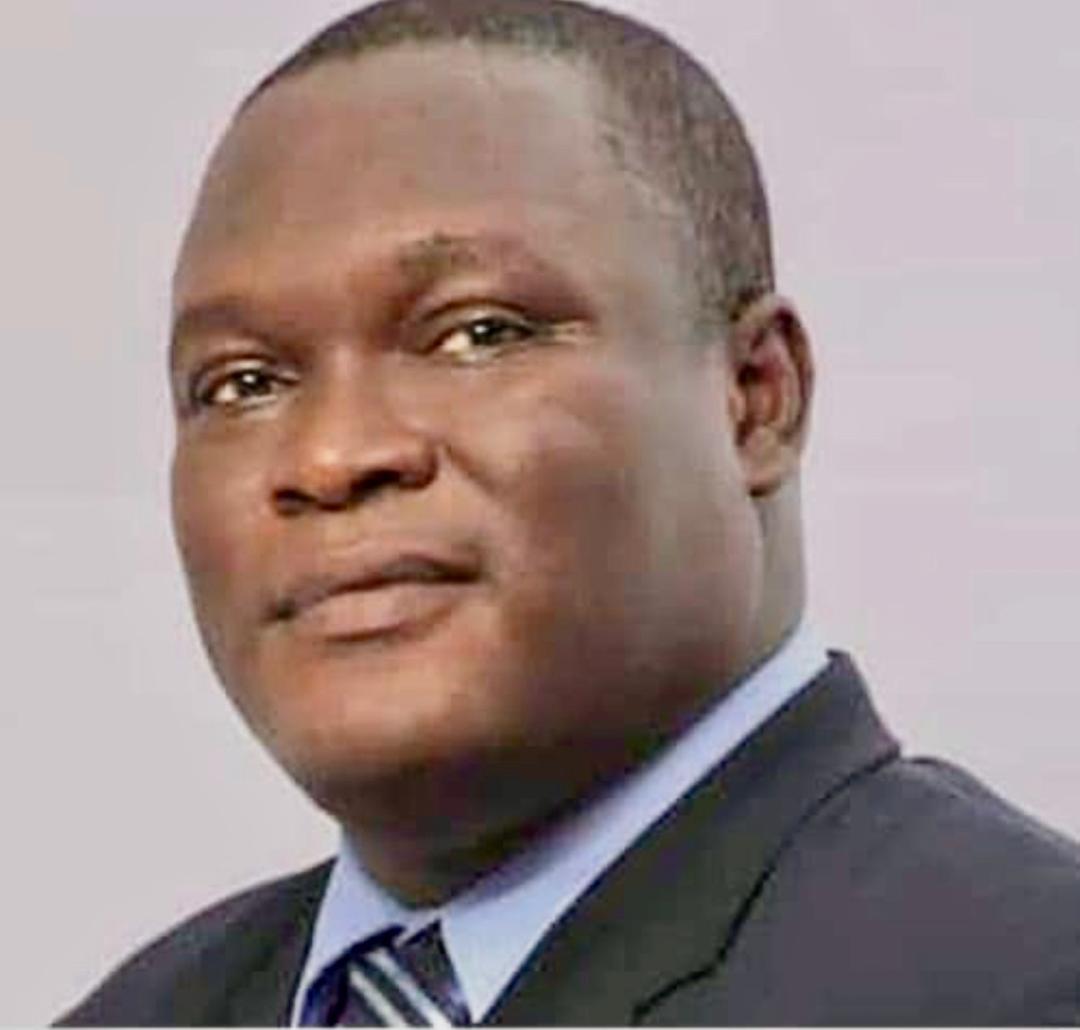

Development and Natural Resource Governance Analyst, Richard Kojo Ellimah has raised a crucial concern that while the headlines are full of bold arrests of galamseyers and dramatic burnings of equipment, there is little or disturbing follow-through information about their court dates, prosecutions, or sentences.
Mr. Ellimah observed that the “fancy and fanfare” surrounding arrests and equipment destruction do not seem matched by legal accountability.
“Each passing day, we hear and watch news of the arrest of galamseyers. We see their machines burnt. But what happens to those arrested? Little or no news is heard about their supposed prosecution. Of the hundreds of arrests, there is hardly any news about successful prosecutions” he told ConnectNews on October 8.
Reacting to the recent arrest of twelve persons for engaging in galamsey around the Akyem–Nsuta line on the Western Rail Corridor, Mr. Ellimah insisted that the government should go equally hard in prosecuting those arrested, warning that the apparent “silence” following arrests may erode both credibility and deterrence.
“I believe the silence after the arrest is also one of the reasons why the act continues unabated. We have had stories where persons arrested find their way back to other sites. … Obviously, people will get emboldened when we don’t get to hear about whether they have been sentenced or not,” he said.
He proposed that sentences be heavy, swift, and publicised — arguing that galamsey is more than just an environmental crime; it threatens water, food, vegetation, and the future of communities. For the Development and Natural Resource Governance Analyst, meaningful change requires rhetoric backed by a functioning legal process. “In the discussion for solutions … I was among those who called for a dedicated court for the prosecution of galamseyers … Unfortunately, it has remained just talk …”
Since January 2025, more than 1,345 persons have been arrested for illegal mining, including the burning of camps and sites, the seizure of hundreds of excavators, and Changfan, among other equipment. Yet according to the Attorney-General, about 600 suspects are currently being prosecuted under 65 separate dockets, suggesting that barely half of those arrested are facing trial. The figures mark some progress but still reveal a troubling gulf between enforcement and judicial follow-through.
The gap is even worrying between 2023 and 2024, as roughly 845 arrests produced only 35 prosecutions, which translates into around four percent. Earlier, sector minister Emmanuel Armah Kofi Buah admitted that of the over 800 arrests recorded in previous years, fewer than 40 had been prosecuted, and according to Mr Ellimah, the disparity only proves that galamsey remains heavy on optics but light on accountability.
He explained that deterrence is bound to fail when consequences are weak or uncertain. “We will burn equipment and arrest galamseyers, which will be good for strong visuals, but when these suspects vanish from public view without charge or conviction, the message becomes unclear that while the state acts, justice rarely lands. When that recurs, arrested individuals will only see their arrest as just a temporary inconvenience rather than a definitive punishment. Unfortunately, it is already happening as we see that those who run during an arrest or swoop disperse and regroup, often at new sites.
Mr Ellimah pointed out another worrying layer of mismatch where those at the bottom of the chain like the diggers, the operators, and local site guards, get arrested, yet the financiers, equipment owners, and gold buyers who sustain the illegal trade often escape scrutiny.
“Once again, we see that the government’s enforcement strategy has been forceful in the field but timid in the courts, focusing on the visible operators rather than the shadow investors who fund the machinery and control the gold flow. These silent actors, most of whom are said to be top politicians, whose impunity most undermines the fight,” he said.
Mr Ellimah insisted that the solution does not lie in new laws or bigger task forces, but in legal certainty where every arrest ends with an outcome the public can see. Current strategy is to keep talking about it, pass a law or two against it, arrest one or two ‘insignificant’ officials, keep telling Ghanaians, you’re committed to fighting it as evidenced by the laws you’ve passed and the persons you have arrested, and continue talking. Perhaps, the personal rewards far outweigh the desire to take decisive action to stop it,” he cautioned. “Our continuous pretence would spell our doom.”