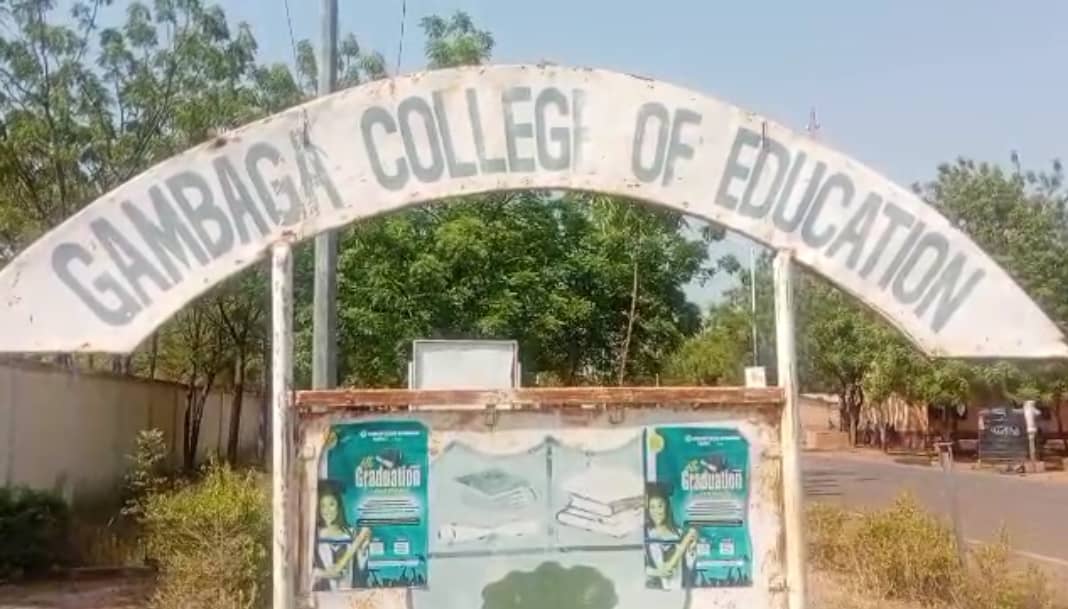

The Principal of Gambaga College of Education, Dr Kassim Korah Nantomah, has issued an urgent appeal to the government for the swift completion of the College’s new campus.
Speaking at the institution’s 5th graduation ceremony, the Principal emphasized that existing infrastructural deficits were severely hindering the College’s capacity to deliver high-quality teacher education, a cornerstone for national development.
Established in 2012 and accredited in 2013, the Gambaga College of Education is one of Ghana’s 46 public Colleges of Education. Affiliated to the University of Cape Coast, the College confers both Diploma in Basic Education (DBE) and Bachelor’s degrees upon successful candidates ensuring rigorous academic standards.
Since its inception, the College has played a vital role in producing qualified teachers for schools nationwide. However, with a student population exceeding one thousand, the institution grapples with significant infrastructural and logistical challenges that management believes are impeding the effective training of educators.
These challenges range from inadequate classroom space and student hostels to the absence of a science laboratory, limited space for the college library, an insufficient number of computers in the ICT laboratory, and a lack of accommodation for the College Principal and critical staff.
Despite these constraints, Gambaga College of Education has successfully graduated over 300 students, equipping them with the skills and knowledge necessary to contribute meaningfully to education in Ghana. The College’s commitment to excellence remains steadfast, even as it navigates these systemic issues.
“The College currently has inadequate lecture halls and student hostels, lacks a science laboratory, has inadequate space for the College library, an insufficient number of computers to stock our ICT Laboratory, and no accommodation for the College Principal and some critical staff,” the Principal stated in his address.
“I, therefore, wish to appeal to the Government through the Minister of Education to ‘walk the talk’ in addressing these challenges within the shortest possible time by ensuring that current projects being awarded are completed on time,” he added.
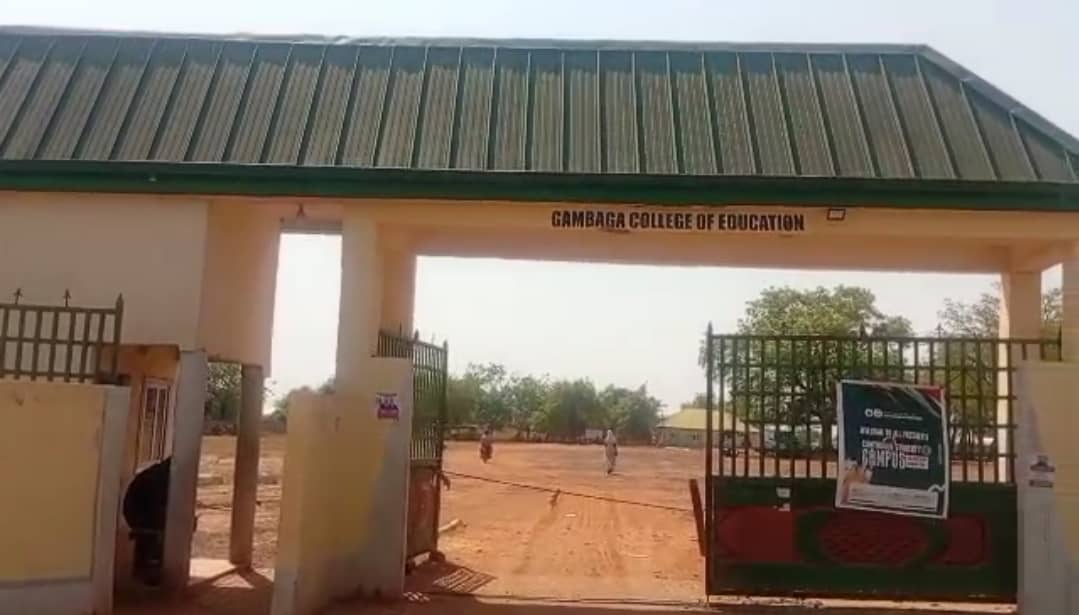
The Principal also highlighted a concerning lack of engagement from the North East region’s own citizens in supporting the College’s growth. He noted a scarcity of contributions whether through lobbying for government projects, individual donations or even visits to understand the College’s challenges.
He expressed concern that the primary interaction from stakeholders often occurs during admission periods, leading to undue pressure on management due to a lack of understanding of admission regulations.
“Another disturbing challenge faced by the College is the lack of interest of sons and daughters of the North East Region, especially Mamprugu, to contribute their quota to the growth and development of the College,” the Principal lamented.
“Sadly…the only time we see most of our stakeholders is admission time, to scramble for non-existing admission slots; this is partly because they do not understand the regulations governing our operations.”
The Principal passionately appealed to the indigenes of the North East region to support the infrastructure drive of the school, emphasizing that such support would improve access to quality education and increase the number of admissions allocated to the College each academic year.
Responding to the concerns, the Municipal Chief Executive for Nalerigu-Gambaga, David Bareche, representing the North East Regional Minister, pledged the timely completion of a 300-bed dormitory, a state-of-the-art classroom block, and an administration building.
This commitment, he says, aims to address the urgent need for improved infrastructure and to support the College’s mission of providing exceptional teacher education.
The completion of the new campus is considered essential to accommodate the growing student body and create an environment conducive to high-quality teacher training, alleviating the pressures on existing facilities and enabling the college to enhance its academic offerings.
By Solomon Kwame Kanaluwe