
Ghana CSOs Platform on Sustainable Development Goals (SDGs) are raising alarm over a critical shortage of family planning supplies in the country.
They are concerned that essential family planning commodities valued at 500,000 US dollars are stuck at the Tema port since August 2024.
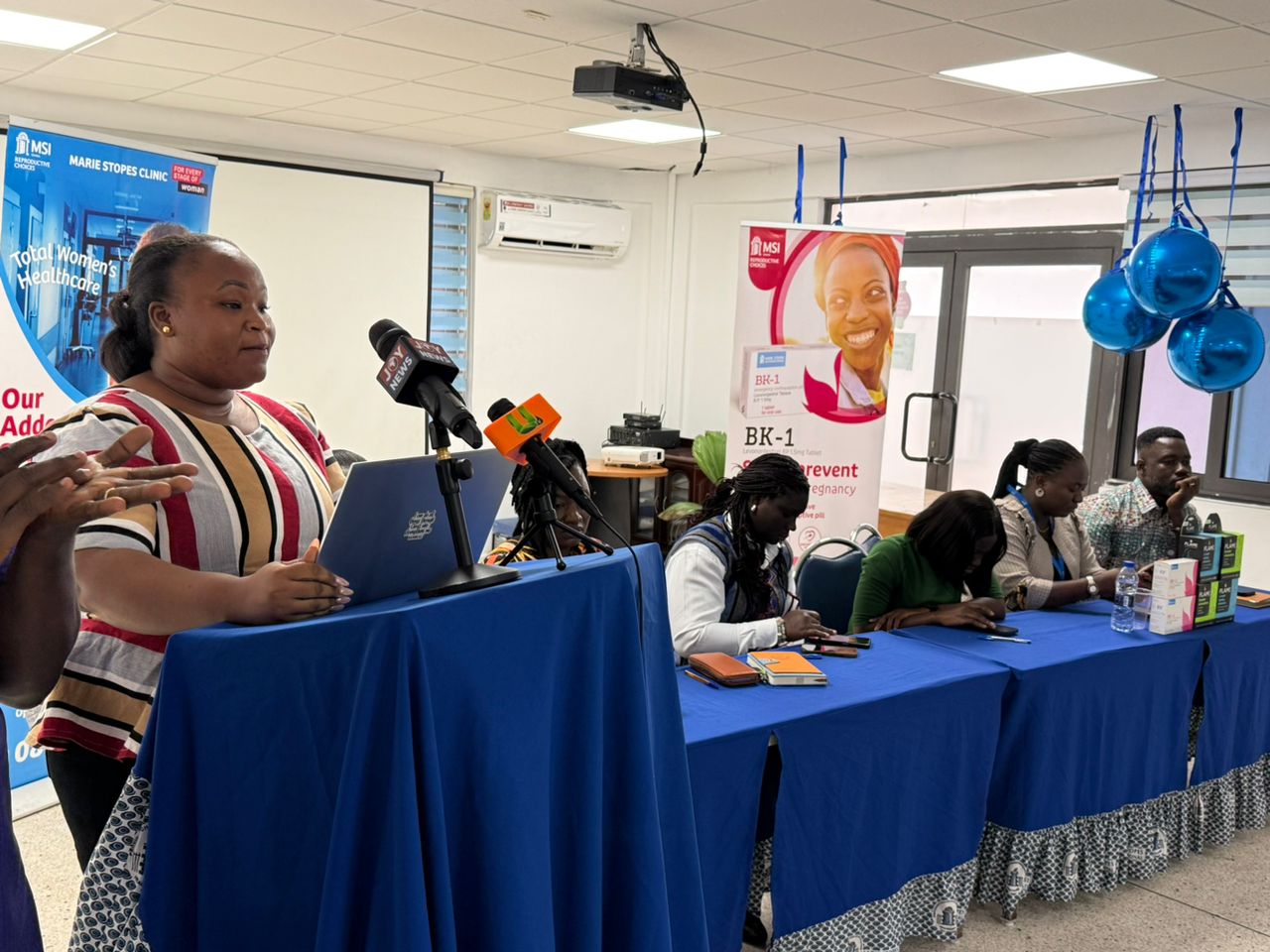
At a media briefing on April 8, the group warned that further delays at the country’s ports could put the lives of thousands of women at risk.
They revealed that the supplies, procured by the United Nations Population Fund and consigned to the Ministry of Health, have yet to be cleared, even as stock levels across national and regional medical stores continue to decline.
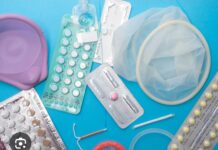
The commodities include contraceptive pills, implants, injectable, condoms, intrauterine devices, and medical instruments used for their administration. Health advocates say these are not optional supplies, but lifesaving tools that prevent unintended pregnancies, reduce unsafe abortions, and protect maternal health.
They stressed that family planning remains central to Ghana’s development. According to available data, modern contraceptive use could prevent up to 70 percent of maternal deaths and significantly reduce child mortality.
Ghana’s maternal mortality ratio currently stands at 310 deaths per 100,000 live births, far above the global target.
Henrietta Kaakyire Ataah, Advocacy and Youth Coordinator at MSI Reproductive Choices, Ghana, read the statement on behalf of the group.
‘‘Every woman who was using a contraceptive method from public stocks and can no longer access it because supplies have run out represents a step backward in Ghana’s coverage. The global context makes this worse: Globally, the withdrawal of USAID funding in 2025 has already disrupted family planning programming across Sub-Saharan Africa,” she said.
The groups also highlighted that abortion-related complications account for over 20 percent of pregnancy-related deaths in Ghana, linking this directly to limited access to contraception.
Despite progress in recent years, including a reduction in unmet need for family planning from 30 percent in 2014 to 23 percent in 2022, advocates warn that these gains are now at risk. They say one in four women in Ghana still cannot access modern contraceptives, and prolonged shortages could reverse years of improvement.
The situation is expected to hit vulnerable groups hardest, particularly adolescent girls, among whom unmet need for contraception remains high.
Civil society organizations are now calling for urgent government action. Their demands include the immediate clearance and distribution of the commodities, a public explanation from the Ministry of Health, and emergency measures to prevent stock-outs at health facilities.
‘‘with every passing week, the stock levels at our national and regional medical stores continue to decline, leaving clinics across this country at increasing risk of running out of the contraceptives that Ghanaian women rely on, whilst stocks near expiry at the port uncleared.’’
They are also urging reforms to prevent future delays and calling for increased domestic funding for family planning to reduce reliance on external donors.