
Ghana must strengthen and effectively enforce its legal framework to safeguard children against abuse, exploitation and other forms of harm, Western Regional Director of the Department of Gender, Maribel Akuorkor Okine, has urged.
She says stronger legal protections, backed by effective implementation and collective responsibility, are necessary to ensure children enjoy their rights and grow in safe environments.
Speaking in an interview with Connect FM on Friday, November 20, 2026, to mark World Children’s Day, Mrs Okine stressed that protecting children must go beyond recognising their rights to taking practical steps to prevent violations and hold perpetrators accountable.
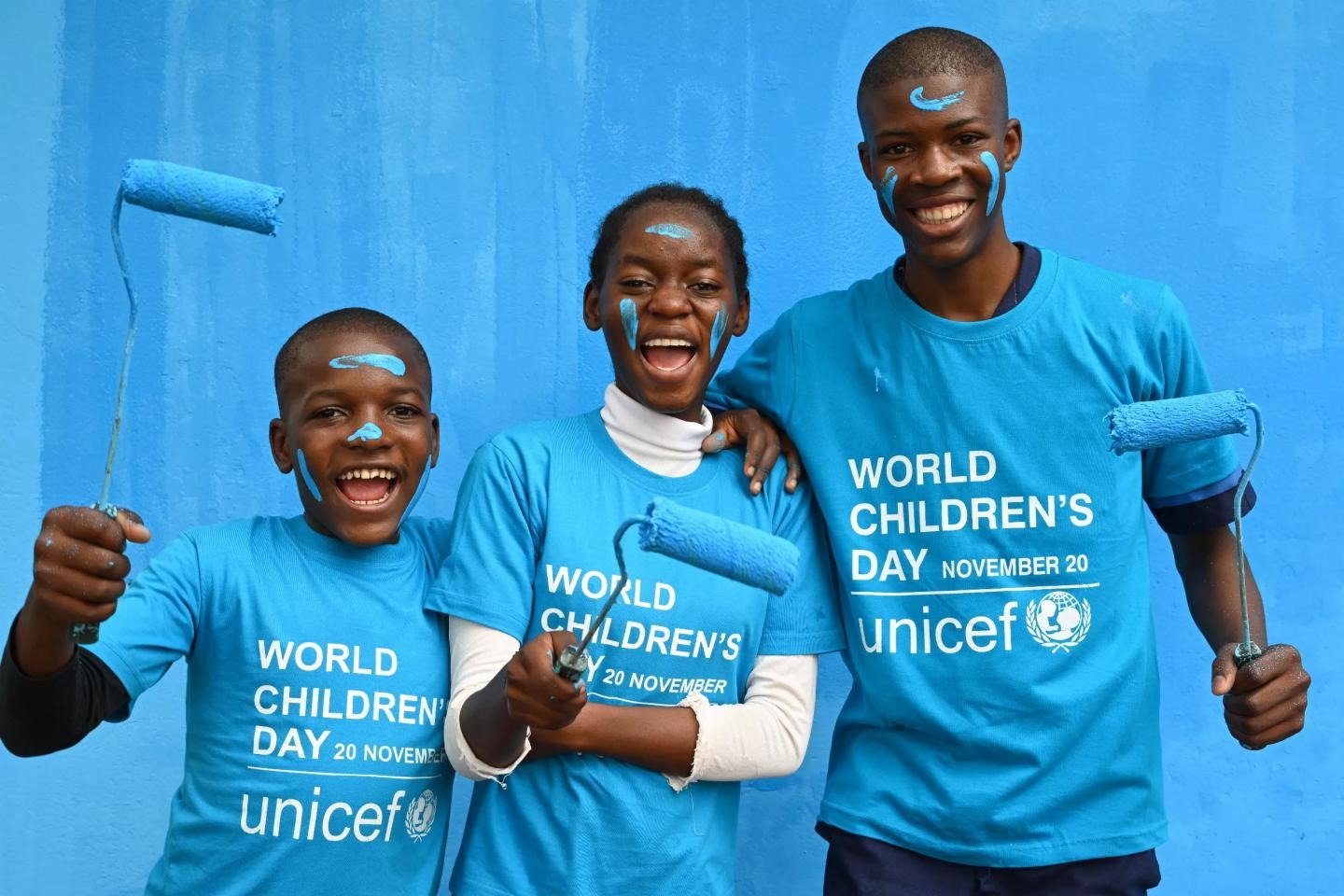
World Children’s Day is observed annually on November 20 to promote children’s rights and welfare. This year’s theme, “My Day, My Rights, My Future,” draws attention to the need to place children at the centre of decisions and actions that affect their lives.
Mrs Okine said the protection of children must involve families, schools, communities, the media and state institutions, adding that every child deserves an environment where their rights are respected and their well-being prioritised.
She identified street hawking as one of the practices that exposes children to danger and undermines their rights, particularly when it interferes with their education and exposes them to exploitation.
“Street hawking exposes children to risks and is a serious violation of their rights,” she said.
She called for stronger measures to address the practice, urging stakeholders to recognise that children should not be placed in situations that compromise their safety, development and access to education.
Mrs Okine also raised concerns about children’s exposure to social media, warning that unrestricted access could expose them to harmful content and online abuse.
“Children’s access to social media should be carefully regulated to protect them from harm online,” she stated.
On parenting and discipline, she urged parents and guardians to adopt appropriate ways of correcting children, stressing that discipline should not become a form of abuse.
“Parents should correct their children when they do wrong, but corrections shouldn’t amount to abuse,” she said.
She further noted that while children must be educated about their rights, such awareness should go hand in hand with respect for parents and elders.
“Knowing your rights as a child does not give you the licence to disrespect your parents or elders,” she cautioned.
The Gender Department Regional Director also underscored the media’s responsibility in promoting and protecting children’s rights, urging journalists to report issues affecting children fairly and responsibly.
“The media plays a vital role in protecting children’s rights through fair, balanced and unbiased reporting,” she said.
Child rights violations remain a concern
Her concerns come against the backdrop of several reported cases of child abuse, exploitation and child labour in Ghana in 2026.
In March, the Ghana Police Service arrested a 45-year-old pastor in Cape Coast over allegations of sexually abusing a minor and producing child sexual abuse materials. Police said the alleged abuse involved a girl who was 13 at the time it began.
In June, the Ada East District Directorate of Social Welfare and Community Development disclosed that it had recorded 43 child labour cases between January and May 2026. The cases involved children engaged in hazardous activities, including fishing, salt winning and street hawking.
Also, child protection organisation Challenging Heights announced in August that it had rescued 25 children, aged between six and 14, from forced labour on Lake Volta. The children, comprising 18 boys and seven girls, were moved to the organisation’s recovery centre for medical care and psychosocial support.
These few cases highlight the different forms of abuse and exploitation that continue to threaten children’s safety, education and development.
Children are the future
Mrs Okine maintained that children represent the future of the country and that protecting their rights is essential to building a society in which they can grow, learn and reach their full potential.
She therefore called for stronger laws and effective implementation of existing child protection measures to ensure that violations are addressed and perpetrators are held accountable.
“Ghana’s legal framework needs to be strengthened to provide better protection of the rights of children,” she said.
She urged parents, institutions and other stakeholders to make child protection a shared responsibility, stressing that the commitment to safeguarding children should not be limited to the annual celebration of World Children’s Day.
For her, the message of “My Day, My Rights, My Future” must translate into concrete action to ensure that every child is protected, heard and given the opportunity to thrive.
By Francoise Kpogno