
Ghana’s government is setting its sights on transforming the textile and garment sector into a US$2 billion industry by 2033, with plans to inject over a billion dollars in new investments and create thousands of jobs, officials have announced.
The Ministry of Trade, Agribusiness and Industry has revealed a bold strategy to expand Ghana’s textile and garment manufacturing industry, aiming to attract US$1.2 billion in new investments and generate approximately 150,000 direct and indirect jobs over the next decade.
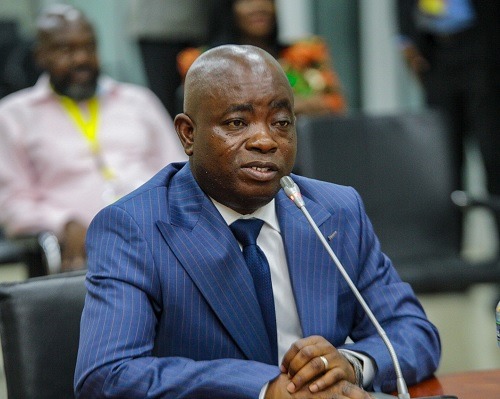
Addressing stakeholders at a validation workshop on the draft Textiles and Garment Manufacturing Policy in Accra, Deputy Minister Samson Ahi reaffirmed the government’s commitment to revitalising the sector. He said the policy targets would also include restoring large-scale cotton cultivation across 50,000 hectares of farmland nationwide.
“We aim to scale the industry to a value of over US$2 billion, attract US$1.2 billion in new investments, create 150,000 jobs, and ensure quality cotton production across 50,000 hectares of farmland,” Mr Ahi stated. “These objectives are ambitious, but they are achievable through collective effort. Today’s workshop is not just about reviewing a document; it is about setting a shared roadmap that will shape the future of the industry.”
Also speaking at the event, Minister of Labour, Jobs and Employment, Dr Abdul-Rashid Pelpuo, urged stakeholders to prioritise inclusive job creation, with a particular focus on women and young people. He warned against politically motivated employment practices.
“Do not create policies that lead to overstaffing or political favouritism,” Dr Pelpuo said. “Hire people based on their competence and capacity to drive change. Our focus should be on building a future for young people. At the time we took over, nearly 15% of youth were unemployed. We need a mindset reset—a reset of the economy.”
Once finalised, the policy is expected to serve as a strategic blueprint for driving sustainable growth and competitiveness in Ghana’s textile and garment sector.
By Coffie Mawuedem Noel