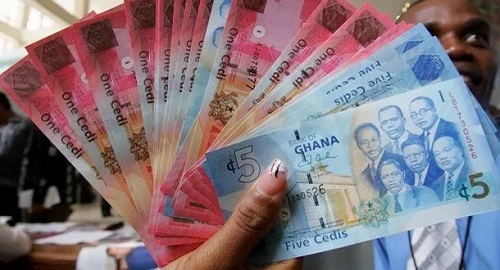

The World Bank’s latest Africa Pulse Report says the Ghana cedi remains Africa’s top-performing currency eight months into 2025, despite the slight dip in recent weeks.
According to the Report, the Ghana cedi, since the beginning of 2025, has gained over 20 per cent in value, making it the strongest performance among African currencies.
Disciplined fiscal fiscal management, prudent monetary policy, rising export receipts, and renewed investor confidence following Ghana’s successful debt restructuring, the World Bank says, should be credited for this remarkable feat.
Some analysts have lauded the cedi’s gain, especially considering the steep losses recorded in 2024. The pace of its recovery underscores the effectiveness of Ghana’s economic reforms and improved external conditions.
The Zambian kwacha followed as the second-best performer, appreciating by 16 per cent, buoyed by ongoing debt resolution efforts, lower oil import costs, and an improved supply of U.S. dollars.
Currencies in Kenya, Tanzania, and Uganda also posted moderate gains, supported by stronger export growth and recovering capital inflows.
The World Bank attributes the broader strengthening of African currencies in 2025 to a weaker U.S. dollar, higher commodity prices, and easier global financial conditions, all of which have helped ease inflationary pressures and stabilise markets across the continent.
However, the cedi has faced slight depreciation pressure in recent weeks, as businesses increase imports ahead of the festive season and election-related spending expectations rise.
In response, the Bank of Ghana has announced plans to inject about $1.15 billion into the foreign exchange market to ease demand pressures and keep the cedi stable.
Market watchers, however, warn that sustaining the currency’s gains will depend on Ghana’s continued commitment to fiscal discipline, export diversification, and structural reforms aimed at consolidating macroeconomic stability.