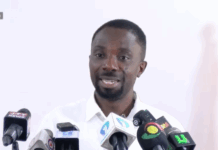

Ghana’s efforts to transform its sports sector continue to face a major financing challenge, with the Minister of Sports and Recreation, Kofi Iddie Adams, identifying institutional fragmentation and the inability of stakeholders to mobilise resources collectively as major obstacles to sustainable sports development.
He said the country had no shortage of ideas capable of advancing sports but needed a coordinated financing framework that would bring together government institutions, private businesses, and other stakeholders to support their implementation.
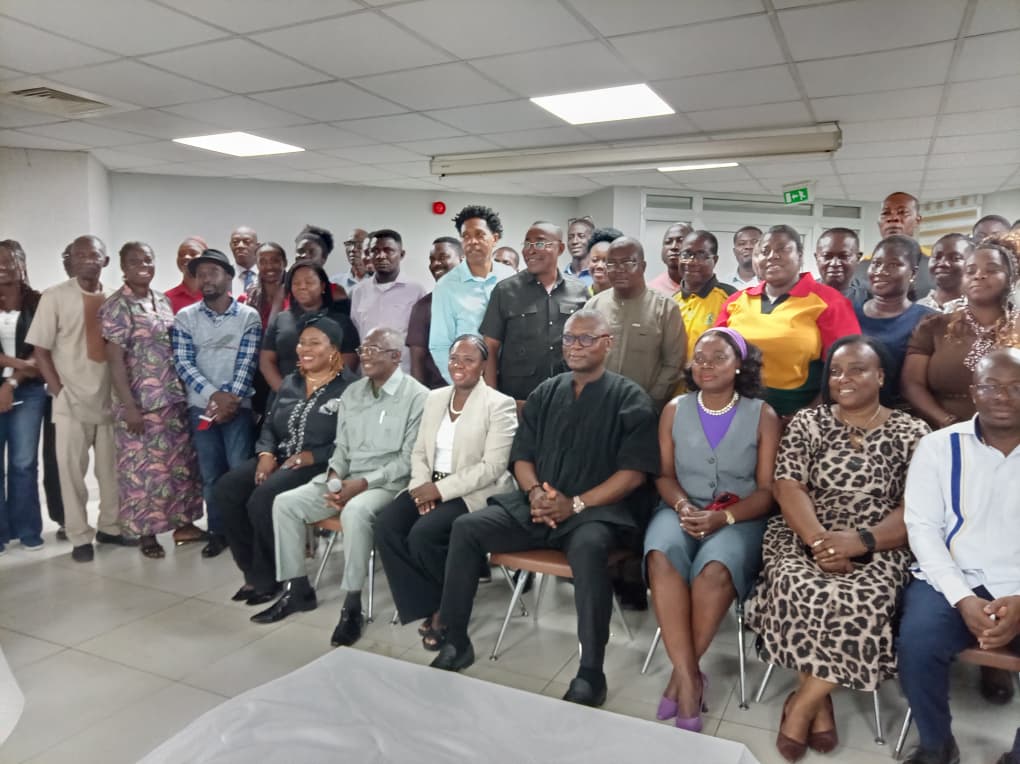
The Minister made the observation when he delivered the keynote address at a stakeholder consultation meeting on the Ghana Sports Fund Regulations, organised by the Ghana Sports Fund at the Ghana Shippers Authority in Accra.
He challenged institutions to move beyond operating in isolation and embrace a collaborative approach to financing sports, stressing that the development of the sector could not be the responsibility of the Ministry of Sports and Recreation alone.
According to him, a sustainable funding arrangement must involve key institutions, including the Ministries of Finance and the Interior, as well as the tourism sector and other relevant agencies.
He argued that the absence of an integrated approach had weakened the country’s ability to harness available resources for national development.
Drawing attention to South Africa’s sports funding model, the Minister highlighted the importance of institutional coordination and the effective utilisation of lottery proceeds in supporting sports development.
He said Ghana must examine successful funding models elsewhere and adapt relevant lessons to strengthen its own sports financing framework.
The Minister also stressed the need to make sports development a non-partisan national priority, arguing that the sector must attract support across political, institutional, and business divides.
His remarks come as the Ghana Sports Fund works towards establishing a sustainable framework for mobilising, managing, and deploying resources to support sports development.
The consultation is expected to contribute to the development of regulations that will guide the fund’s operations and provide clarity on how resources can be mobilised and utilised.
For the Minister, the challenge goes beyond establishing another public institution. It is about building a financing system in which government, businesses, and other stakeholders accept shared responsibility for the future of Ghanaian sports.