
A proposed $320 million waste-to-energy project could help Ghana tackle its mounting waste-management crisis while generating affordable electricity to support industrial growth.
Ghana is exploring an innovative approach to two of its pressing development challenges—waste management and the cost of electricity—as the government partners Ghanenergy Power Limited to convert municipal waste into power.
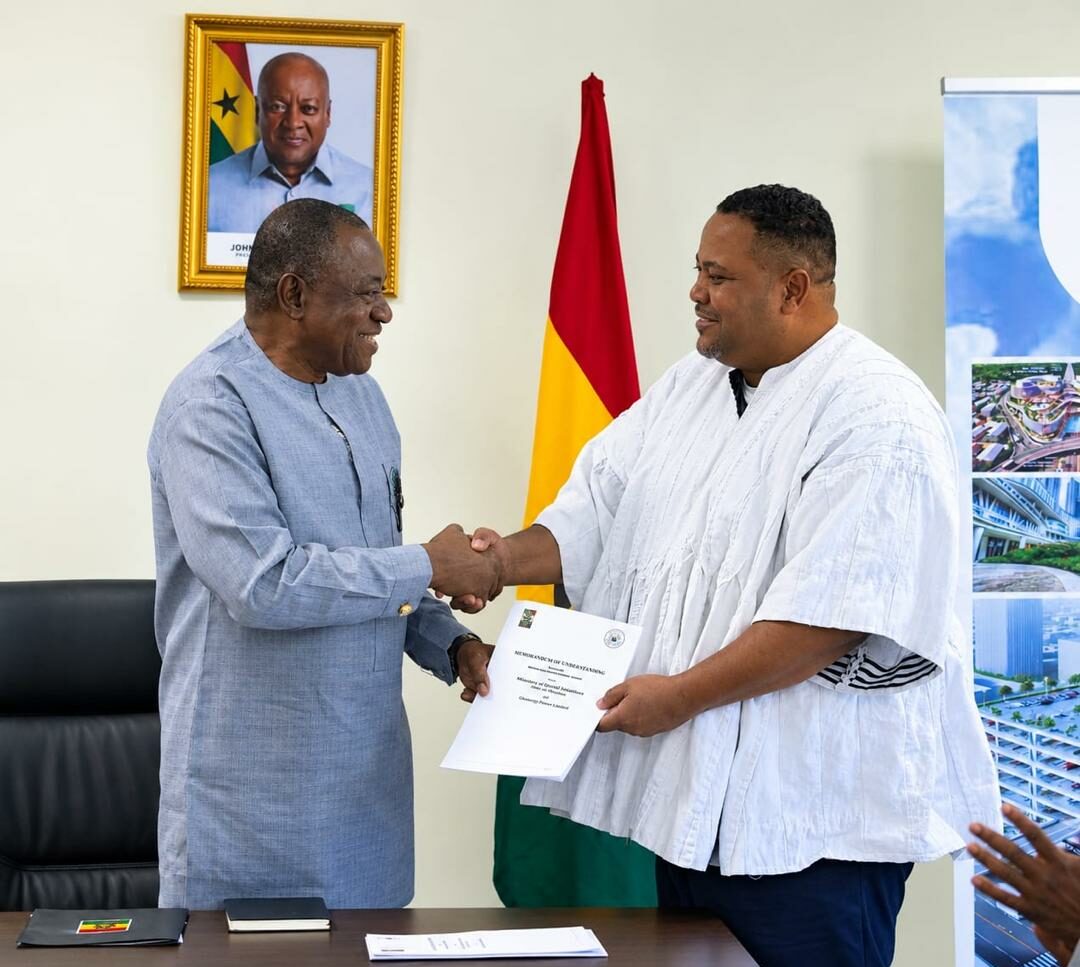
The partnership, formalised through a memorandum of understanding (MoU), will begin with a pilot project in the Greater Accra Region, with plans to expand to other parts of the country.
The facility is expected to generate approximately 80 megawatts (MW) of electricity through the incineration of suitable household waste. The estimated $320 million investment will be financed by a private-sector consortium through Ghanenergy.
Ghana generates approximately 12,700 tonnes of solid waste daily, placing considerable pressure on waste collection systems, disposal facilities and local authorities.
Indiscriminate dumping, plastic pollution and choked drains continue to undermine environmental sanitation, contribute to flooding and pose risks to public health. Poorly managed organic waste also releases methane, a potent greenhouse gas.
The proposed project seeks to turn part of this growing waste burden into an economic resource by reducing the volume of refuse requiring disposal while generating electricity.
Under the proposed arrangement, plastic and biodegradable waste will be separated from household waste, while suitable residual waste will be used for power generation.
Speaking at the signing of the MoU, Minister for Special Initiatives Dr. Abdul-Rashid Pelpuo said “electricity companies could save more than $90 million during the project’s first phase by purchasing power from Ghanenergy compared with their current expenditure under the proposed arrangement.”
“This should generate approximately $94 million in earnings from electricity sales during its initial operating period.”
These projections could strengthen the commercial case for the investment while demonstrating how waste management can be integrated into Ghana’s wider economic development strategy.
Ghana continues to pursue reliable and affordable electricity to support households, businesses and industrial expansion. However, financial pressures, infrastructure constraints and rising demand remain important considerations for the power sector.
The proposed 80MW facility seeks to diversify Ghana’s electricity sources by introducing power generated from municipal waste.
“A properly designed waste-to-energy plant can provide electricity according to its operating schedule, potentially complementing other energy sources,” says Dr Pelpuo.
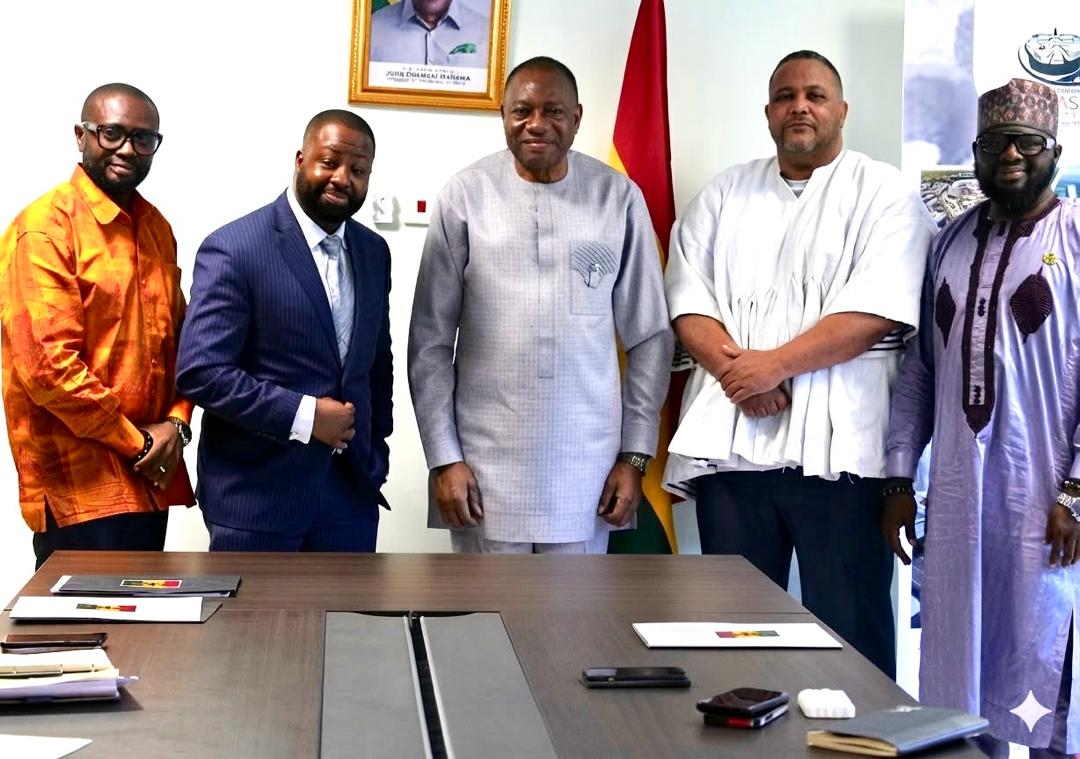
Ghanenergy Power Limited Chief Executive Officer Clive Cox described the initiative as a potential game-changer for Ghana’s industrial development.
“A feasibility study had been conducted to assess the project’s viability, with implementation expected to involve coordination among the Electricity Company of Ghana (ECG), Ghana Grid Company Limited (GRIDCo) and local authorities.”
He says coordination will be critical to ensuring a dependable supply of appropriately sorted waste, efficient collection systems and the infrastructure required to transmit the electricity generated.
The proposed private-sector financing model could also attract further investment into waste processing and energy infrastructure, although the final allocation of financial and operational risks will depend on the project’s contractual arrangements.
Beyond electricity generation, the initiative includes educational support for children, with assistance expected to extend from kindergarten through secondary school and potentially university.
The programme could broaden the project’s social impact by linking infrastructure investment with educational opportunities for communities. Its effectiveness will depend on the funding arrangements, eligibility criteria and consistency of support.
Plans are also underway to expand the initiative beyond Greater Accra, with the long-term ambition of establishing similar facilities across four regions.
“Such expansion will require careful assessment of waste volumes, composition, collection rates, transportation costs and access to the electricity grid, as these factors will influence the viability of each facility,” says Mr Cox.
Deputy Chief Executive Officer of Ghanenergy Power Limited Edward Butcher said the project could help address Ghana’s waste-management challenges while supporting its energy needs and industrial development.
The proposed $320 million partnership presents an opportunity to address two national priorities through a single infrastructure investment.
 Cl
“This initiative could also offer Ghana a practical example of how environmental challenges can be transformed into economic opportunities.”
Operations Manager for Ghanenergy Company Limited, Alhaji Rufai Tanko Nuhu said collaboration with local authorities and other stakeholders will be essential to building an operational model that can be sustained and replicated in other regions.
“We are looking at how to integrate these processes to ensure that, beyond generating electricity, the project contributes to improved sanitation and responsible waste management.”
Osagyefo Power Barge Centre to be converted into prison school for GPS